









Register to get free articles
Want unlimited access? View Plans
Already have an account? Sign in
Some 50 luxury and premium hotels have opened across the UK in 2019, according to new research from private wealth firm Boodle Hatfield.
Since 2018, the total number of luxury hotels in the UK has risen to 3,380, up from the 3,330 sites recorded in the 2017/2018 period.
However, the number of three or lower star hotels fell to 4,120 in the past year, down from 4,160 in 2018.
The firm’s research revealed that the London luxury market was “holding up well” despite “signs of a slowdown” in other parts of the UK economy.
With 210 new London developments in the pipeline, this particular market was found to have “largely driven” the sector as a whole. Private investors from the Middle East and Asia were also said to have been “instrumental” in the growth of London’s luxury hotel sector.
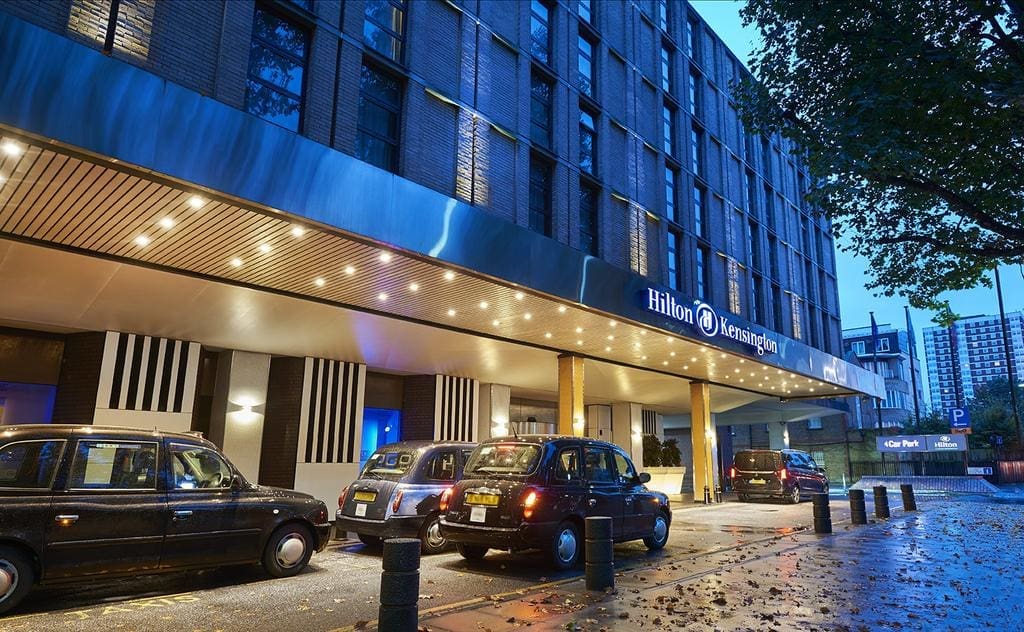
Such recent investments include the Kensington Hilton, acquired by Kurdish hotel investor Bakir Colar for £260m. Queensgate Investments, that works for UHNW families and private offices, also completed a £1bn acquisition of four central London hotels from the Grange Hotel portfolio.
The weakened value of sterling against the dollar attracted an “influx” of international tourists this year which has further boosted the sector, having made the UK a more affordable tourist destination.
Tourists are forecast to have spent a record £24.5bn this year, up from £22.9bn in 2018.
The firm said: “Greater economic certainty post-general election would likely lead to a rise in the value of sterling but any connected, slight drop-off in tourist numbers would be far outweighed by the wider cementing of investor confidence, encouraging even more growth in the luxury hotel sector.”
Adam Chamberlain, partner in the real estate team at Boodle Hatfield, added: “London’s luxury hotel sector is still buoyant, and certainty over Brexit would be another positive for overseas investors in the market.
“The luxury hotel market outside of London has showed some signs of cooling off, but the opportunity to invest in a landmark London hotel is still one that attracts wealthy individuals and families the world over.”
He added: “UHNWs from the Gulf and Asia have long found luxury London hotels to be attractive assets, both as major trophy properties and income investments. That shows no signs of changing.”