
























Register to get free articles
Want unlimited access? View Plans
Already have an account? Sign in
Whether you are thinking about buying or selling a hotel, having an EPC (Energy Performance Certificate) is not only important, it’s a legal requirement. In fact, to be able to put your hotel on the market, or lease it, you will need to provide an EPC.
Likewise, if you are looking to buy or rent a hotel, you should be, by law, given an energy certificate along with the other details of the building.
What is an EPC?
Regardless of the building – be it a large, independent five star hotel, hotel chain or a small B&B, it is essential to get a commercial EPC when its ownership or tenancy changes hands.
An EPC or Energy Performance Certificate is an official document which gives a building a rating from A to G with regards to their energy efficiency – with A being the most energy efficient that is possible. For hotels, a commercial energy assessor will visit to carry out an inspection, deliver the certificate with its rating, as well as give you some recommendations of how to improve the building’s energy rating.
The EPC will give potential buyers or tenants an in-depth, accurate report on the existing and future potential energy efficiency of a hotel or other commercial property. This means that potential buyers and tenants not only can have a good grasp of the current energy efficiency of the hotel (and therefore energy costs), but also to give them the chance to plan how to make it more energy efficient – and more cost efficient and comfortable for them and their guests in the future.
What does an EPC Assessment look for?
Some of the aspects which are assessed during an EPC check are:
- Insulation measures such as loft and cavity wall insulation
- Boiler type and efficiency
- Water tank types and efficiency
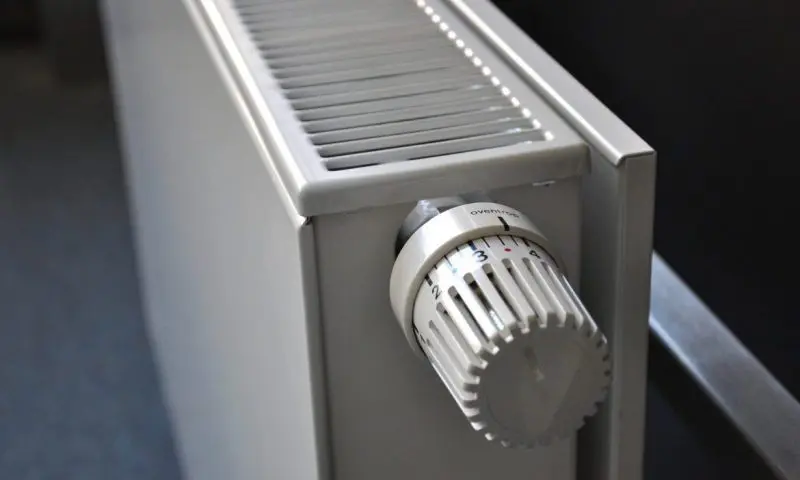
- Radiators
- Energy efficiency of windows – e.g. the existence and effectiveness of double glazing
It will look at the energy use per square metre and asses the carbon dioxide emissions of that particular hotel. For many tourists, this is an important factor in choosing which hotel they wish to stay in.
The law stipulates that you need to have an EPC if:
- You are selling or renting the building(s)
- You change the number of parts used for separate occupation, if they involve extending air conditioning, fixed heating or mechanical ventilation systems
- Construction work on a building is finished
Any commercial property which is being leased or sold must have applied for their energy certificate assessment within 7 days of the property having been put on the market. You must then, have had the inspection completed and the certificate delivered to you within 21 days.
It is vital that the EPC is made available to potential buyers or tenants within these timelines, or a hotel can be fined between £500 and £5000 – dependant on the rateable value of the hotel. Your Energy Performance Certificate is then valid for 10 years.
Displaying an EPC
Unlike in domestic properties, it is also a legal requirement for EPC’s to be displayed so that people can see them, if:
- The building is often visited by members of the public
- The total useful floor area is more than 500 metres, and
- The EPC has already been produced for the lease, sale or construction of the building
How to get an EPC
Getting an EPC is very simple. First you should find a reputable company who carries out commercial EPC surveys. Check for fair pricing, industry accreditations and assessors who are professionals with industry regulated qualifications.
The time that it takes on site for your EPC assessment to be completed, depends mainly on the size of the property and the access that is available. A smaller B & B will usually take around 2-3 hours to complete as long as there is access to the all parts of the building, but large hotels can also take considerably longer. It is important, therefore, that access is given to as many parts of the building as possible.
Sometimes confidentiality is important to hotels – for example, if you are planning on selling your hotel but still haven’t spoken to your staff. EPC assessors are able to accommodate this, but it is important that this is made clear to them beforehand.
Your EPC will then be sent to the hotel to be displayed, but it will also be recorded on a non-domestic central register.
The responsibility of obtaining an EPC for a hotel is on the person who is selling or renting it out. Although it might seem like a nuisance, an EPC is both a legal requirement, but also very useful for potential tenants or buyers, and a stepping stone towards building a more energy efficient world.
By Ella Hendrix, a versatile freelance writer based in the UK