


































Register to get 3 free articles
Register to unlock the article and receive our free newsletter. Join 26,000 other hotel leaders and stay in the know.
Want unlimited access? View Plans
Already have an account? Sign in
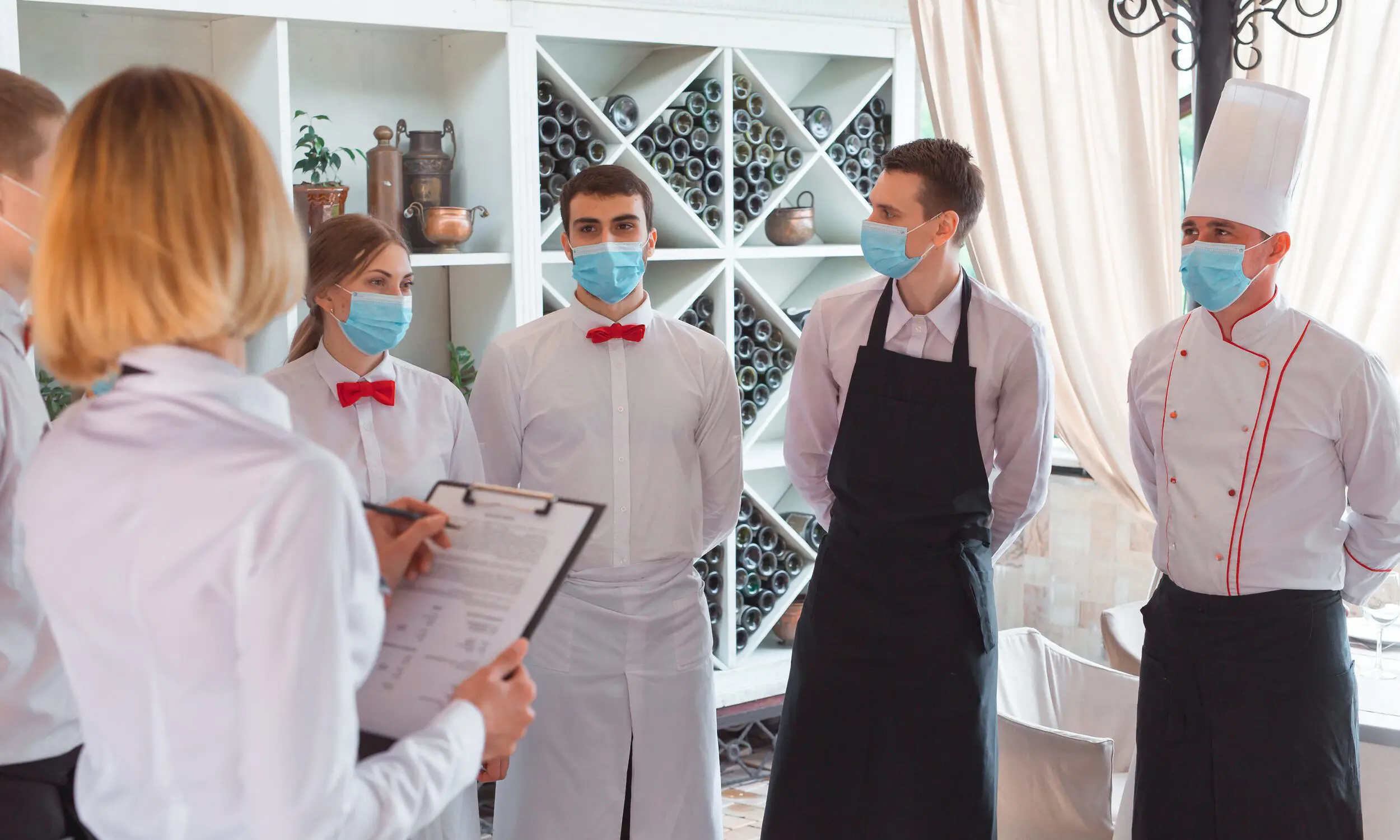
Customers are more likely to stay at hotels for their in-house restaurant and high quality hygiene standards than other venues, according to new research from Navitas Safety.
Currently hotels are only in operation for key workers and work purposes, with customers only able to receive their food via a pre-booking room service.
Kirstie Jones, an environmental health expert at Navitas Safety explained that when life returns to a level of normality, gone will be the days of self-serving buffets. Customers will instead visit hotels and restaurants as a treat, or for a special occasion, and will therefore expect an experience and level of high-quality service and the hygiene safety that provides.
According to the research, experiential restaurants and more luxurious in-room catering services will soon be fully embedded within hotel premises, becoming a much better representation of their complete offering and providing hotels with an additional revenue stream.
Jones predicts that hotels will not only be seen as a place to stay, but customers will choose to stay at hotels because of the restaurant facilities they have on site or even visit the hotel just to go to the restaurant itself.
Jones said: “When businesses were able to open and serve food earlier in the year, they adapted to the need of technology in the form of online menus, in-app ordering and the use of QR codes.
“Not only has this made the experience a much safer and hygienic one, but it has also streamlined the working process for staff and the business by improving efficiency and eliminating the risk of human error. It also means that the food being served, and its allergen listings are more trackable.”
She added: “Customers are becoming more aware of food ratings and their attitudes are changing when it comes to living in a post-Covid world, they first and foremost expect greater transparency and safer systems.”