


































Register to get 3 free articles
Register to unlock the article and receive our free newsletter. Join 26,000 other hotel leaders and stay in the know.
Want unlimited access? View Plans
Already have an account? Sign in
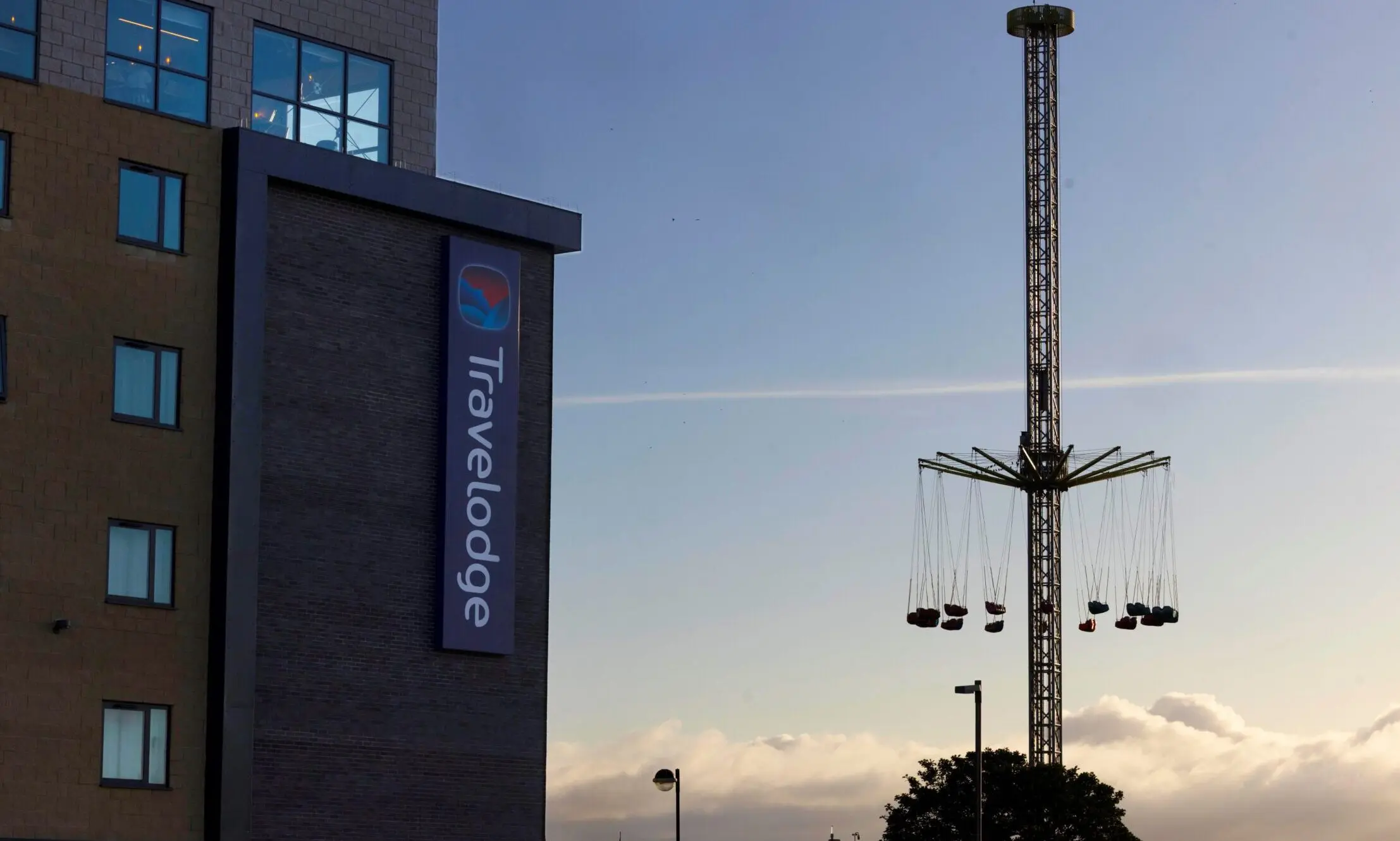
Travelodge has reported a 4% rise in revenues to £206.8m for the first quarter, despite ongoing inflationary pressures and a softer corporate market in London.
The budget-friendly chain, which manages 631 hotels across the UK, Ireland and Spain, attributed this growth to resilient leisure demand and events.
However, rising industry-wide costs led to an EBITDA loss of £13.6m for the three months to 31 March, compared with a loss of £8.4m for the same period in 2025.
It comes as inflationary pressures – including increases to the National Living Wage and employer national insurance contributions – added £6m in costs during the quarter. Travelodge also expects business rates to rise from £38m to £50m this year.
Food and beverage revenues grew 7% in the UK, aided by a refurbishment programme that has upgraded two-thirds of the room estate. At the same time, Travelodge’s Spanish division grew revenues by 27% to achieve an EBITDA of £1.7m.
The group opened a new hotel in Stratford, London, during the quarter, as well as a freehold site in Bilbao, Spain, in April. Management expects to open four more UK hotels this year.
Following a serious incident at its Maidenhead hotel in 2022, the company announced changes to its security policies and escalated training for 12,000 staff. An independent review is underway.
Trading in the second quarter remains positive, with total revenue up 4% against last year, supported by events including the Grand National and marathon fixtures.
Jo Boydell, chief executive of Travelodge, said: “We delivered a solid performance in Q1, traditionally our quietest quarter, outperforming the competitive segment as our strategic investments delivered results despite challenging market conditions.
“We continue to be impacted by industry wide inflationary cost pressures, including the annualisation of increases in the National Living Wage and employer national insurance contributions, and from April, significant increases in business rates, and we are working hard to mitigate these pressures.”
She added: “Looking ahead, we are monitoring the potential impact from economic and wider geopolitical uncertainty on consumer and business confidence, and further cost inflation from the Employment Rights Act and Tourism Levies, however we continue to see opportunities and are well positioned for the medium-term.”