




































Register to get 3 free articles
Register to unlock the article and receive our free newsletter. Join 26,000 other hotel leaders and stay in the know.
Want unlimited access? View Plans
Already have an account? Sign in
Hotels in Scotland have been the “clear winners’ in a challenging hospitality landscape in 2024, outperforming the national average for revenue per available room (RevPAR) growth and average daily rate (ADR) growth according to the latest data from CoStar.
The 12-month data through to October highlights that hotels across the region have managed to increase RevPAR by 8.5%, significantly ahead of the UK average, which is approximately 2.4% higher than 2023.
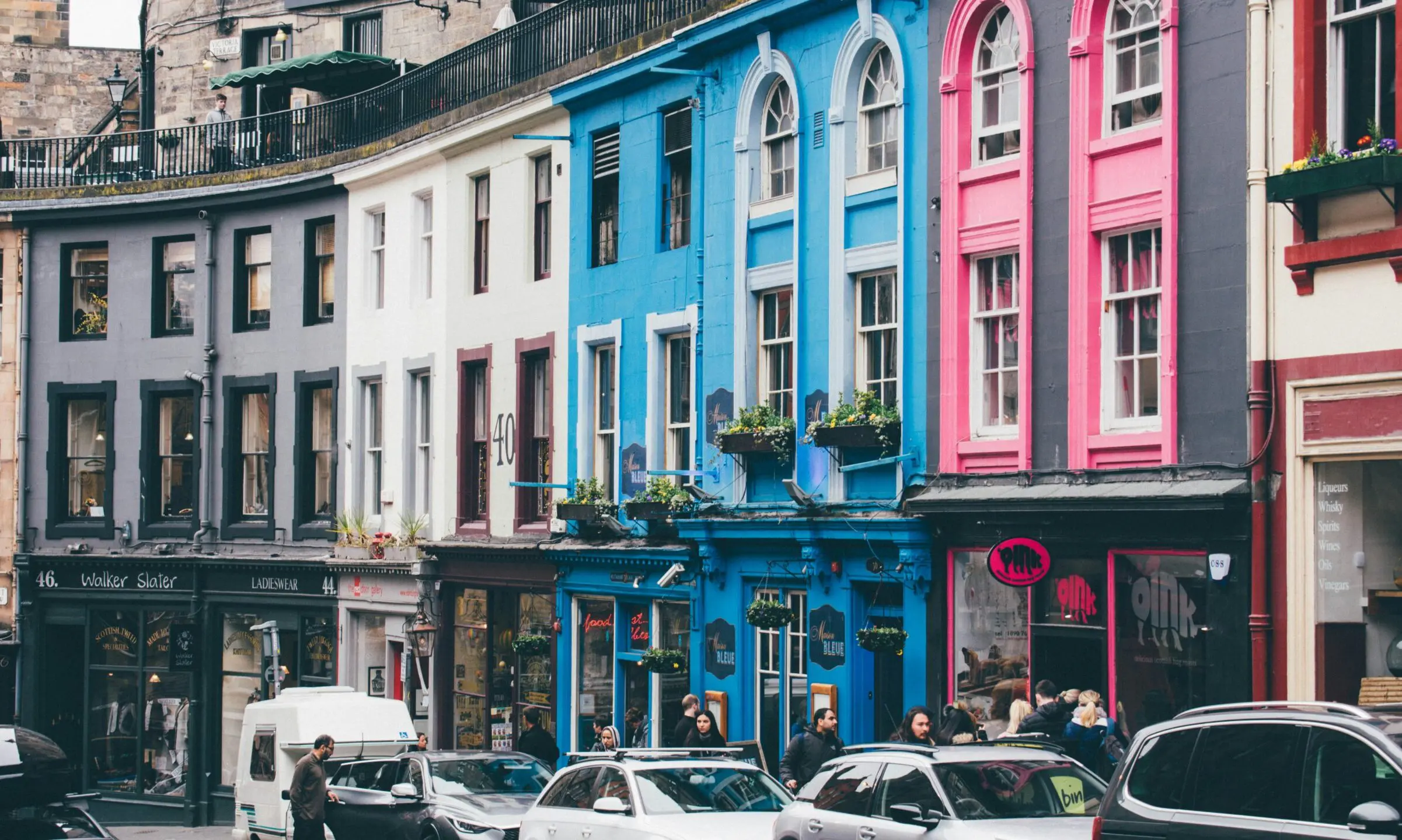
The Scottish capital has been the standout performer. Edinburgh has been one of the few markets to still achieve double-digit pricing growth year over year after experiencing robust growth in 2023. Limited supply-side pressures and its growth in popularity among international travellers have supported hotel performance. Meanwhile, being host to various events throughout the year has also helped to bolster demand, which in turn, drove pricing, as occupancy across Edinburgh ranges between 85% and 90% for most of the year.
Most Scottish destinations have experienced robust trading, however. Statistics from the Office for National Statistics show a strong increase in international visitors to the region, with full-year 2023 data showing a 15% increase in overseas visits on 2019 levels as spending grew 41% over the same period. Preliminary data for the first half of 2024 point to an ongoing positive trajectory.
Meanwhile, hotels in the Highlands have also fared well, as evidenced by RevPAR results for hotels in the Inverness Area submarket. Hotels here also stand out as outperformers, experiencing strong growth in occupancy and rates over the past 12 months. The area’s increasing popularity has attracted a greater number of domestic and overseas visitors, with 53% of overnights in the area being from abroad.
Looking at other parts of the country, Glasgow’s busy calendar of events, including a greater number of conferences and events, has supported demand in the city. Renowned high-end golf resorts located in and around the Scotland North Regional submarket may have also drawn a greater number of visitors to the region’s accommodation, enabling hoteliers to drive pricing upwards. Hotels in this part of Scotland achieved the second-highest ADR in the country, after Edinburgh, at approximately £145 in the 12 months to October.
Aberdeen has been the outlier. However, considering its historical trend, especially since the oil price crash in 2015, hotels in the Granite City have fared relatively well in the past 12 months. CoStar said the city’s reliance on the oil and gas industry means that hotel performance can be closely linked to how this industry performs.
Looking ahead, the outlook for the year ahead is “broadly positive”. From a top-line perspective, Costar said room demand is expected to continue its upward trajectory, particularly for destinations attracting a greater proportion of international business, as global travel continues its recovery.
Event offsets could adversely affect certain markets, such as Glasgow, although prospects for domestic travel point to a slightly brighter outlook. Oxford Economics foresees improvements to consumer spending, as wage growth is expected to outpace inflation, which should support room demand from British travellers.
Costar added that downside pressures still exist, however. The budget announced at the end of October will lead to higher employer national insurance and national living wages ahead of inflationary growth from April 2025, which will likely negatively impact profit generation for many owners and require hoteliers to continue to adapt and find efficiencies where possible.