




































Register to get 3 free articles
Register to unlock the article and receive our free newsletter. Join 26,000 other hotel leaders and stay in the know.
Want unlimited access? View Plans
Already have an account? Sign in
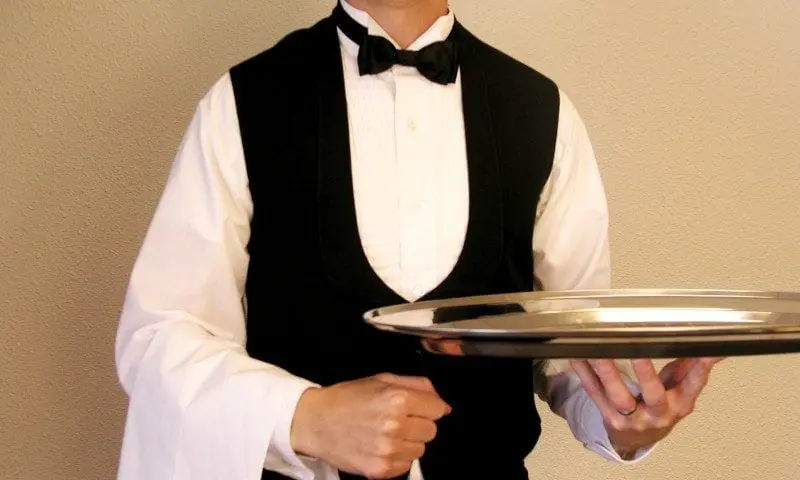
In the United States, waiters (or ‘servers’, as is now the politically correct term) expect hefty tips of 15 – 20% as a matter of course. So ingrained is the culture of tipping in that country that it is seen abjectly rude if you don’t.
Granted, the reason for this is an economic one – wages are considerably lower in the service industries Stateside – and one could argue this makes any comparison with the UK hospitality sector unfair. But that does not absolve proprietors of their moral responsibility to be transparent and fair.
Why, you might ask, am I harping on about tips – everyone knows this, surely? Well, according to Andrew Percy, the Conservative MP for Brigg and Goole, there are restaurant owners everywhere (and this obviously includes hoteliers) being deliberately opaque about how their tipping system works. Percy believes that customers are often “totally confused” about to whom their tip is being given.
There are no attendant figures, but it is not a stretch to imagine he is right. If a customer tips using the gratuity option on a chip-and-pin machine, is the boss extracting the exact figure and adding it onto the staff’s pay cheques? Is he averaging out the total tips for the night and sharing them between staff? Or is he pocketing it as bonus profit?
One hopes that the vast majority of restaurateurs are scrupulous, but the simple reality is that many are not. Existing legislation leaves it down to the management to decide whether service charge is automatically added to the bill, and everyone knows customers don’t leave money on the table if they have paid the “10% service charge included” with plastic.
Andrew Percy is right to raise this in parliament. He has put forward a Ten Minute Rule Bill to the house, where the case can be made in no more than 10 minutes, for the consideration of the house. MPs have agreed to consider it, but in practical terms the device is used simply to make a point to parliament, and the legislation ‘proposed’ very rarely (if ever) makes it into law.
So the moral obligation rests with the UK’s restaurateurs and hoteliers. The service charge should be passed on to those doing the serving. That is who the customer wants to give it to, and it is grotesquely dishonest and indecent to pocket it.