






































Register to get 3 free articles
Register to unlock the article and receive our free newsletter. Join 26,000 other hotel leaders and stay in the know.
Want unlimited access? View Plans
Already have an account? Sign in
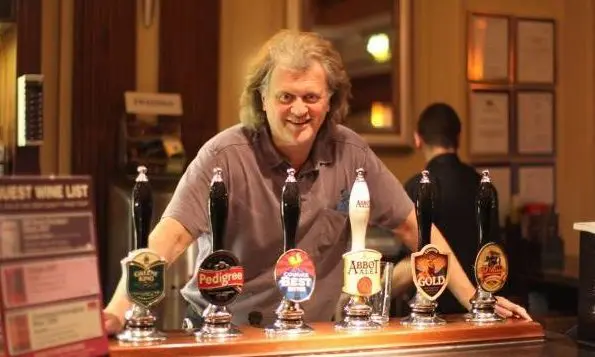
The media and the Twitterati have had a field day vilifying the founder and owner of pub chain Wetherspoons over his decision not to pay his staff in light of the coronavirus restrictions.
Tim Martin had sent an email to his 43,000 staff saying he could not afford to pay them in full, prompting protests online and off, claiming that he was ‘greedy’ and that he should ‘furlough’ the workforce instead of simply not paying them.
The obvious question to such idiocy is: pay them with what?
Let me set out a few principles here for those who do not run businesses and may wonder about how certain decisions are arrived at in the boardroom.
- In order to pay staff, it is necessary that any company has cash at hand of an equal sum to the wages due
- In order to continue to generate cash for future pay cheques, not just this one, any company must have customers continuing to buy its products or services
- In order to survive a crisis involving the evaporation of these two things, as has happened in the last 14 days across the UK retail and hospitality sector, a business must minimise existing liabilities and certainly not take on new ones
Why do I use the word ‘liability’? For those who feel I have transgressed with a terribly passe (for our Google-shaped 2020 corporate culture) implication that employees are a financial liability just the same as any other supplier receipt or overhead, it is not them I am talking about. Though for the accountant, labour is undoubtedly an overhead like any other.
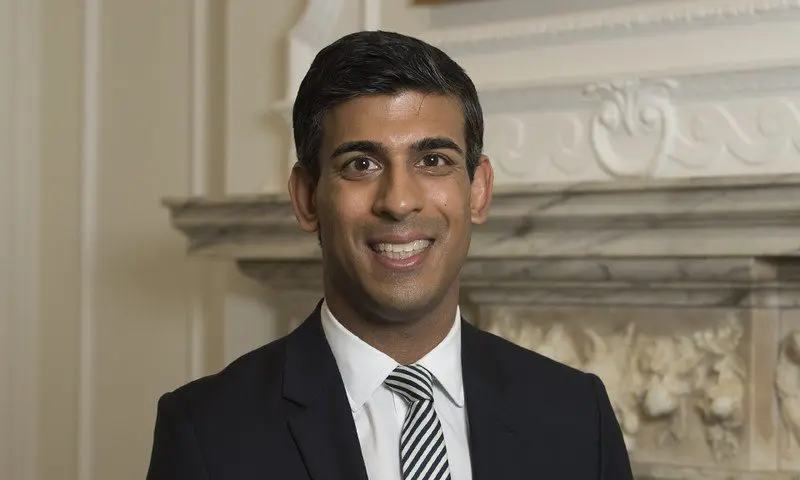
The liability of which I speak is chancellor Rishi Sunak’s so-called ‘bailout for businesses’, which does nothing of the sort.
First, it was the Coronavirus Business Interruption Loans, which were already a croc of the proverbial in that they required businesses to take on unsustainable new debt that they have no hope of repaying even once the dust settles, so diminished will the economy be. These have been exposed even more so this morning as it emerged that the banks tasked with the £330bn of lending want personal guarantees from business owners, even though the government said it was underwriting the loans. That tells you all you need to know about what the City thinks of the Treasury’s prospects over the next six months.
Next, it was the ‘furlough’ scheme, already useless in that it requires the employees not to work during their furlough, and requires employers whose problem is a catastrophic lack of cash to produce wads of it and pay the wages. Oh, and wait to hear from the taxman on a rebate who knows when.
In this setting, does anybody really think Tim Martin is wrong to do what he did? You do not have to be a chairman or an accountant to see that no money in equals no money out – if Tim Martin’s employees want a job to go back to when the crisis begins to abate, then he is acting in the only way possible.
It does appear that he has backpedalled on wages now, to which the critics will say ‘Aha! So he did have the money!’ But alas, he has counterweighted his bowing to pressure on wages with an opposite and presumably equal moratorium on paying suppliers. How many times must it be said? No cash means no cash. Someone has to bear the brunt. His workers’ wages are now safe, but what about those people who work for his suppliers?
But Tim Martin must be a millionaire with a business that size, perhaps another line of argument. Again, anyone with any experience of running a company will know that even large ones can run at a loss, the founder having secured his overdraft or debt facility against all his personal assets acquired during better times (if he ever enjoyed them), and so he has nothing to hand out personally. Not that there is a legal mechanism for him to do so.
So forgive me, but with a grotesquely inadequate package of nothingness from the chancellor, as far as small businesses are concerned, I’m with Tim Martin, against all the fatuous naysaying and grandstanding from people who have never had to find a wage bill in their life. He must retain cash where he can, because there is none coming in, and nowhere to go.
It may be disgraceful to try and prioritise the survival of the business over ‘’the honourable thing’, but if that’s true then only disgrace and dishonour will mean any jobs are left to return to once the restrictions are lifted. Right now, Sunak offers no alternative.