























Register to get free articles
Want unlimited access? View Plans
Already have an account? Sign in
The combination of great food coupled with a place to lay your head is not a new one. Luxury hotels have been delivering this for many years to, albeit, a very specific market, with a degree of success, ranging from great experiences to dull and boring. However, even in this sector, one can see a move in some quarters to a more informal experience in line with guest trends.
In recent years, many independent hotels or small groups have played host to bars and restaurants with their own strong reputation that appeals to both resident and non-resident guests. It’s fair to say most were much more informal in personality, regardless of the positioning of the hotel.
For the corporate sector, investing in F&B has been a secondary consideration, with the priority being selling rooms. However, this has become an altogether more sophisticated activity as hotels are increasingly seeking to differentiate themselves by selling an “experience”, rather than just a room.
Offering a bar and restaurant feature that reinforces the overall experience comes with significant benefits:
It builds a relationship with the guest; hotel guests should be almost ‘ready to go’ diners for your restaurant if your proposition and overall experience has a strong personality. Hoteliers can’t guarantee multiple night guests will choose to dine in the restaurant for all occasions of their stay. In fact, you can almost be certain they won’t, however, the stronger the proposition, the more likely guests are to drop by on multiple occasions.
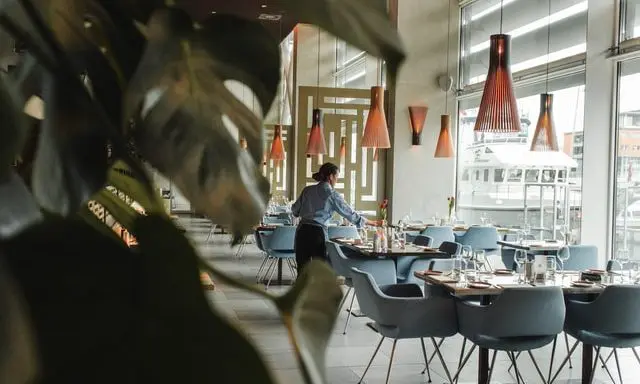
It builds a relationship with the local market; a restaurant concept with its own identity, kerbside presence and entrance, a strong F&B offer, and a design which feels in harmony with the surrounding area will draw in locals, too. People want a good restaurant near to them, where they can relax, unwind and be part of an experience after work, with friends, or on a special night out.
In addition, hotels offer a safe haven. By creating and providing great bars and restaurant spaces, hoteliers can open themselves up to a whole new audience of diners who will create an atmosphere, fill seats and generate revenue, which in turn means hotel guests will be more likely to join in rather than go elsewhere.
It attracts solo business travellers; travelling solo for business can be a sad affair, and often people don’t want to venture too far from their hotel if dining alone. However, no matter how often or used to ‘dinner for one’ someone may be, a lively, busy, and buzzy atmosphere which makes them feel part of an experience vs isolated will encourage business travellers to drink and dine in the hotel’s bar and restaurant. It is easier to blend in and be less conspicuous when there is a busy ambiance.
Aim to position the hotel as a destination in its own right, because people will travel for good food. In 2022, the food tourism market was valued at $1.1bn (£900m) and 70% of people picked a destination based on the food and drink there. Imagine if a hotelier could harness just a small fraction of that global market and position their hotel’s restaurant as a destination to visit because of its fantastic reputation, or the go-to hotel in an existing touristic area or business district.
However, there are some potential pitfalls hoteliers should have in mind if looking to step outside the box and into the world of restaurants. To start with, running a hotel and running a restaurant – while both under the hospitality umbrella – are two different beasts from an operational perspective. Our advice would be to invest in talent, bringing someone on board who is experienced in running restaurants and all the nuances which come with it.
While the forecasted figures may look strong, many hoteliers battling rising costs and bills will want to know how to get to this point without heavy – and often unrealistic – levels of investment. One solution could be to open the space to an already established restaurant or pub group, which complements the hotel. Bringing in a much-loved brand takes away the element of having to start from scratch and building a reputation from the ground up.
Alternatively, hoteliers could create a ‘ready-made’ platform for fresh and exciting local talent who want the opportunity to experiment with their own food identity. This would further a venue’s reputation as a local hub, supporting the community and being a springboard for people to launch their own businesses.