





























Register to get 3 free articles
Register to unlock the article and receive our free newsletter. Join 26,000 other hotel leaders and stay in the know.
Want unlimited access? View Plans
Already have an account? Sign in
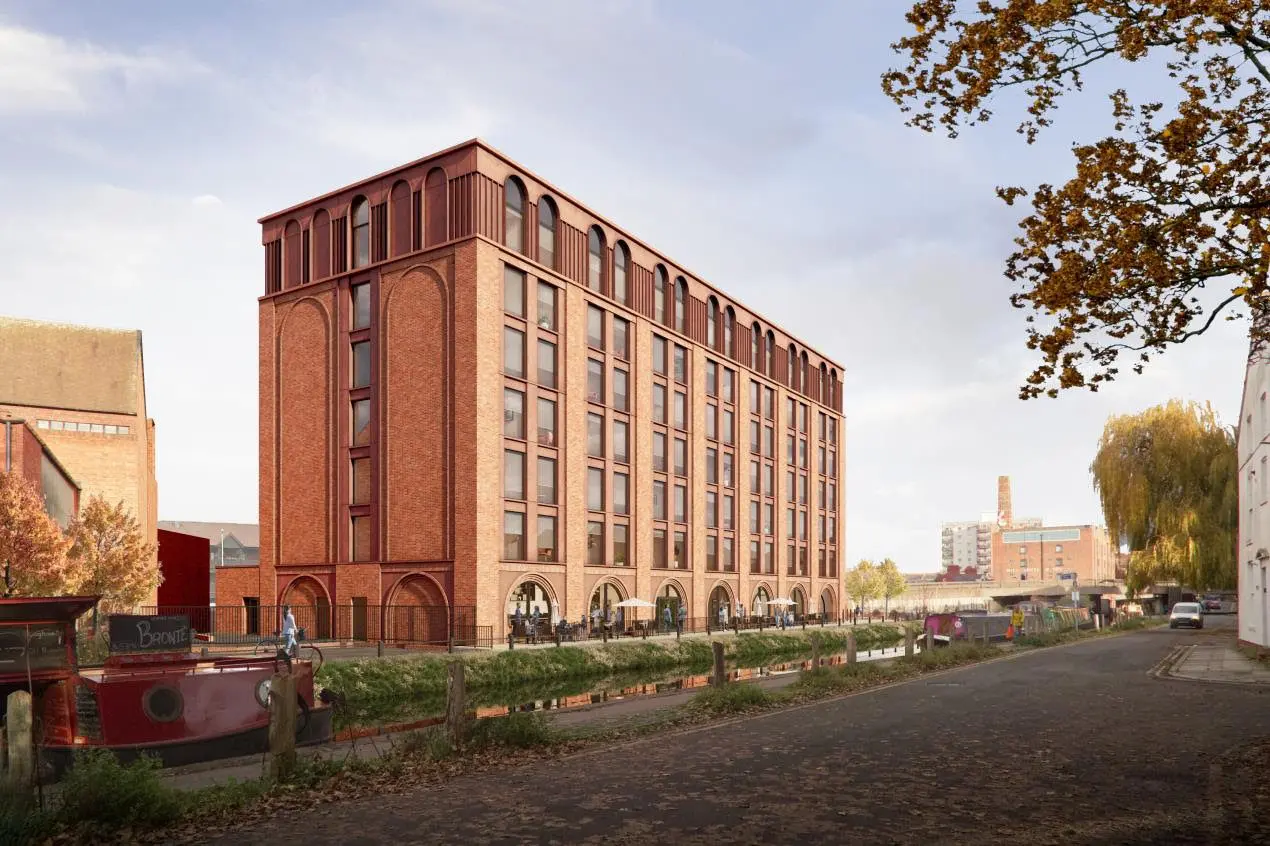
A planning application to transform Chester’s former Mecca Bingo Hall into a 142-bedroom hotel has been formally submitted.
Hotel Chester will feature standard and deluxe rooms over seven storeys, and will reportedly be run by a “world-leading” hotel operator.
Some 748 sq m of serviced office space will accompany the hotel within a retained part of the development, and the site is also expected to feature a ground-floor restaurant with views of the canal.
Developer TAG said it plans to retain the “iconic” mock-Tudor frontage and demolish the rear of the building, which will be replaced with a new piece of architecture that “reflects the city’s history”.
The footprint of the building will be reduced and stepped back from the Shropshire Union Canal, offering the opportunity for a new tree-lined canal side route for cyclists and pedestrians.
The former Mecca Bingo site dates back to 1931 and was originally home to The Gaumont cinema before becoming a bowling alley in the 1960s and a bingo hall in 1970, which closed earlier this year.
An estimated 110 full-time jobs are expected to be created during construction, with around 80 jobs available when operational.
The submission of the proposals follows a public consultation which ended on 15 December. A decision is expected in Q2 2024, with completion of the project expected in late 2026 should plans be approved.
Luke Averill, director of TAG, said: “Designs for Hotel Chester have been inspired by the city’s history and reflect Cheshire West and Chester Council’s ambition to support the growth of the area’s visitor and business economy.
“Rejuvenation in this part of Chester is much-needed and we believe Hotel Chester will act as a catalyst for exactly this.”
He added: “Guests staying at the hotel will create additional demand for local shops, restaurants, bars and other attractions, which we estimate could boost the local economy by £2.3m every year.”