














Register to get 1 free article
Reveal the article below by registering for our email newsletter.
Want unlimited access? View Plans
Already have an account? Sign in
The most successful businesses today know that they have to understand their customers better to retain them – but what has changed in recent years is a rising expectation from customers that actually want businesses to anticipate exactly what they’re thinking.
This has put pressure on businesses to react accordingly.
In the hospitality industry, there are some obvious examples of things customers will want to know. For example when they get to your website such as: what’s included in the fee?; are there any additional charges?; what time is check-in and check-out?; what kind of bed is included?; what are the amenities?; and so forth.
Hotels that do a good job of informing their customers will have all of this information readily available. As each and every guest has different expectations of the hotel experience, the same is likely to be the case for those browsing your website. So personalising content, engagement and responses for them could make their experience far more satisfying and encourage a deeper bond with the customer that will keep them coming back, or indeed even spur them on to recommend their friends to visit the hotel.
For those that haven’t got sufficient information, there are easy to use tools that are ideal for the hospitality sector that provide an out-of-the-box solution for FAQs and customer serving tools.
So what’s next? Well, first and foremost, an advanced FAQ section – or help centre – where you can include detailed articles about different topics, perhaps guides on ‘what a day at our hotel looks like’ and ‘what you can do in a week at our hotel’ could be starting points.
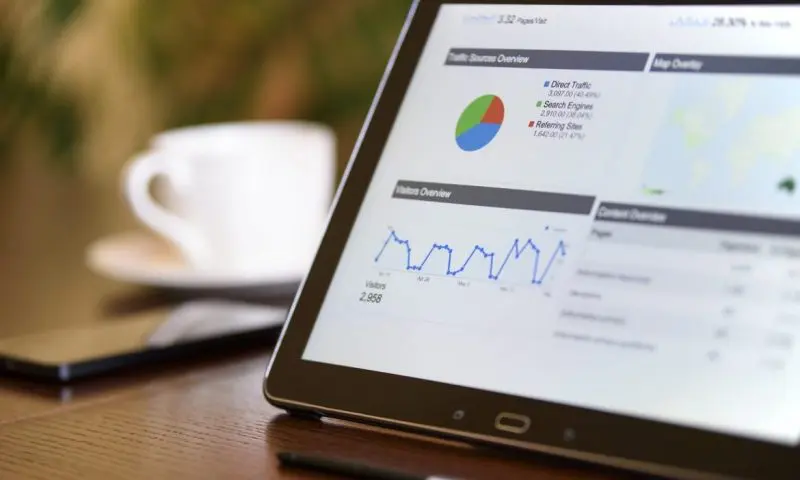
To reap rewards in the long-term however, there has to be a focus on managing this help centre. Using analytics, you can find out what the most searched terms are, what the most common questions are and what the biggest frustrations seem to be – and act on making this information more accessible, while also fine-tuning any wider issues at the hotel and website.
For example, if you know that a certain amount of users have searched about late check out times but there is no article to explain the policy, then you’d want to write an article about that so less are tempted to call and ask. While if you know that dozens of prospective customers are enquiring about the availability of car parking because of an event taking place near-by, you know you can write an article that can be published on the homepage explaining whether or not your car park will have sufficient space.
Using a platform that can ingest data from all of the different ways customers can reach you – email, webchat, social media and over the phone – can help you to better manage these queries, but also ensure that you aren’t getting the same queries months later as the answer will be available in the help centre. This will free up your team to focus on adding value to your customers by further personalising the way you interact with them online.
Being proactive in helping your potential and existing customers is what guests now expect. Subsequently, you’ll have a better rapport with guests, and stimulate a better working environment for your own staff. It’s time to be a step ahead of your customers.
Contribution by Naomi Rozenfeld, head of strategic marketing at Wix Answers