
































Register to get 3 free articles
Register to unlock the article and receive our free newsletter. Join 26,000 other hotel leaders and stay in the know.
Want unlimited access? View Plans
Already have an account? Sign in
The life of a hotelier always has been one of adapting to change. Nothing stays the same for long – if it did, then the nobility would still be staying in monasteries around the country when they travelled, and we’d all still be queuing for the bathroom at the end of the hall in a hotel.
In recent years, the hospitality industry ‘disrupters’ have been in the shape of online travel agents such as booking.com and Expedia and the rise of AirBnB; it’s somewhat ironic that these disruptors are now, themselves, being ‘disrupted’.
You may think that the shutting of hotels in March was the greatest adjustment that hotels will ever have to make, but it’s the period beyond lockdown which will frame the shape of the hospitality of the future.
The sector historically thrives on challenges. In the words of T.S Elliot – “If you aren’t in over your head, how do you know how tall you are?”
We are all about to find out just how tall we all are.
Hoteliers across the globe are assessing how they will manage reopening – how to comply with physical distancing in the workplace. We have already begun the conversation on how to respond, re-set, restart and recover with our business community and our trade associations. Businesses are already learning about safe working with physical distancing in place, showing how effectively they can adapt and change their business models.
Easing restrictions which will allow hotels, restaurants and bars to reopen will be subject to both statutory regulation and best practice. It’s likely this will require us to maintain two metre distancing for both our guests and team members and limiting the number of people that can access a bar, restaurant or banqueting suite at any one time.
There may well be limits on numbers attending “mass gatherings” that prevent dinners, dances, weddings, awards ceremonies and conferences taking place. The indications are that this could go on for some time, so this may affect everyone’s Christmas and New Year events and celebrations.
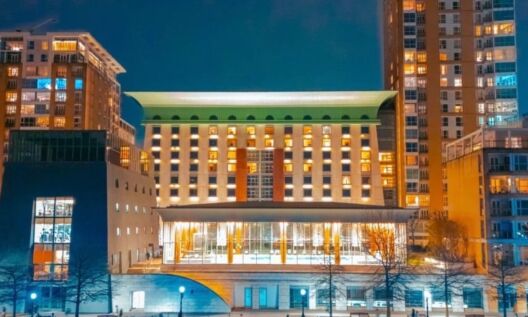
In terms of our hotel in Aberdeen The Chester Hotel, the large outside areas to the front of the hotel will be a bonus. Professor Van Tam, the deputy chief medical office for England in a recent government briefing stated that it is safer to be outside because of the natural ventilation. However, there will still be challenges for us in the delivery of food and drinks in a safe manner.
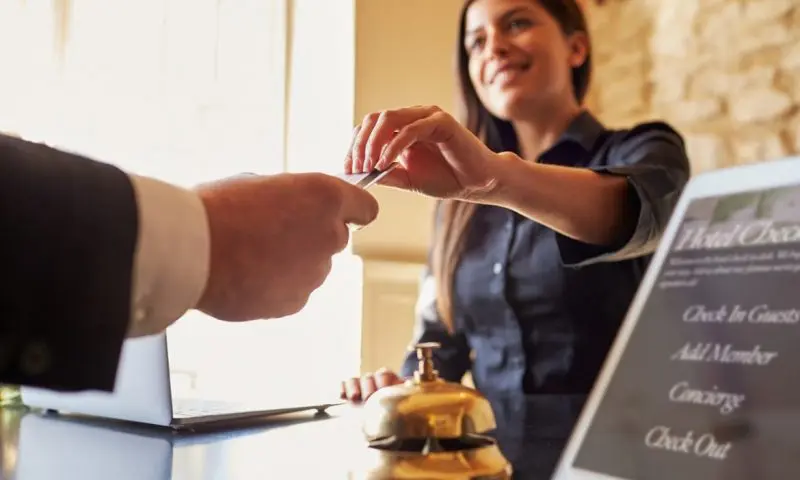
There is little doubt we will reopen in a phased manner and this is what the public should expect when responsible businesses reopen. There will be changed to be made in all hotel departments. Our reception team will be working behind plastic screens to ensure the safety of both them and our guests.
Reservations will have to be prepaid and credit card details left to be charged for any extras. For hotels using keys and key cards, these will be available for collection; pre-programmed, disinfected and placed in an envelope for guest collection. Many hotels. Like ours, will not be able to accept cash payments becoming cashless.
Guests will be asked to confirm that they have not exhibited any signs of Covid-19 in the previous 14 days, unfortunately if they have, we will not be able to accommodate them.
On arrival at reception, guests will be required to sanitise their hands and may also be temperature checked and if the temperature is above 38C, unfortunately, it’s likely that they will not be able to stay.
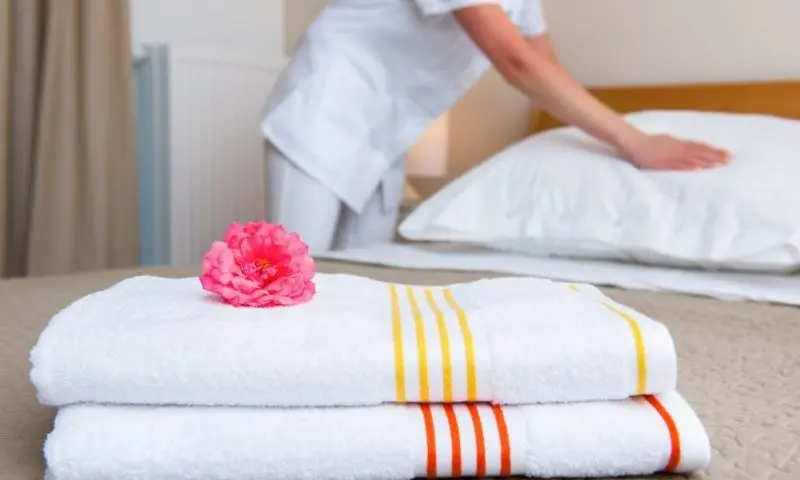
Hotel housekeeping standards in four-star silver rated hotels like ours have always been high. But new standards will undoubtedly apply. It could be that a new form of ‘clean certification’ is introduced as is already happening for example in Singapore. Rooms will have been thoroughly cleaned according to the standards laid out by the government for non-medical accommodation but it’s likely that rooms will only be serviced if you are staying for more than two nights with additional towels will be placed in the rooms along with additional tea and coffee.
Social distancing means that rooming guests by accompanying them to their rooms won’t be possible. Until social distancing measures are relaxed, you may be directed you to your room, but not taken there.
Guests will be encouraged to order room service, contact-free breakfasts, with only a limited hot offering.
Reopening hotel restaurants and bars will be equally challenging. For example, on reopening, we will only offer bar food throughout the hotel and this will be by pre booking tables only, we will not be able to take walk in bookings, in order to best manage the numbers of diners at one time. Bookings will be confirmed by credit card and tables will be required back after 1.5 hours so that we can offer more people the change to dine.
As with arrival at reception, diners will be required to sanitise hands on arrival and may be temperature checked, with access being denied for readings above 38c or any obvious signs of Covid -19 symptoms.
The bar trade is well used to ensuring responsible drinking on their premises, but there will be new incarnations of this.
Individuals are likely to be refused access if we feel they have had too much to drink on arrival to protect staff. The atmosphere will change, wherever you go socially for the foreseeable there will be fewer tables and chairs in all bar, cafes and restaurants to observe correct social distancing.
You may find that menus will be more restrictive, with fewer dishes than normal. This is so that kitchens can ensure that the menu can be produced in a safe manner and delivered by a limited number of team members to ensure each member of staff and each guest is kept safe. We’re currently looking into how we can use the menus, drinks and wine lists on our website for guests to brows rather than handing them a printed menu and we’ll be taking orders via a handheld electronic device.
There will be limits and these will be more draconian than ever before in a social situation. Guests may be limited to three alcoholic drinks or a bottle of wine between two people. This is so that we can prevent any staff being in a situation where they have to accompany any guests whose behaviour turns rowdy after a considerable volume of alcohol.
Tables will be sanitised after each use and will be allocated only on a pre booked reservation. To avoid overcrowding, it’s likely that eateries will be to accept requests for a particular table. Cutlery will be sanitised before it placed on the table and all napkins and condiments will be disposable rather than in cruets or dishes to avoid them being handled by multiple people.
The hospitality trade is also looking at ways to restricting the interaction that guests and staff have – which is anathema to an industry based on high levels of personal service. In order to reduce the amount of social interaction guests may be asked to indicate when they require service, rather than staff making regular visits to a table to see if anything further is required. In order to ensure as little contact as possible, food and drink may be delivered to a service point and guests will be asked to take their food from there to their table. As with all areas of our hotel, all of our transactions will be cashless
For hotels with a significant banqueting offering, when, and how, to recommence events where up to 300 people gather in the same room is even more challenging. There’s likely to be little appetite by individuals to meet in such a group size and it’s hard to see how dinner dances could operate with social distancing on the dance floor. Its for this reason that we’ve taken the decision at the Chester Hotel to suspend all of our banqueting when the hotel initially opens.
Hospitality is a service industry – and that’s why most of us entered the sector in the first place. It’s going to be hard for us to give up – even temporarily – our usual way of working. But, it’s not just going to be down to hotel staff around the globe to make this work. If the public wants its hotels, restaurants, pubs and cafes to remain there for them in the short and long term, it’s going to be a partnership effort.
By Stephen Gow, general manager of The Chester Hotel Aberdeen and The Chester Residence in Edinburgh