
































Register to get 3 free articles
Register to unlock the article and receive our free newsletter. Join 26,000 other hotel leaders and stay in the know.
Want unlimited access? View Plans
Already have an account? Sign in
STANDFIRST: One year on from a devastating fire, the £4m rebuild of Crathorne Hall hotel’s east wing is now complete. TOM DAVIS spoke to Ken Arkley, commercial director of parent company Hand Picked Hotels, to find out more
[box type=”shadow” align=”” class=”” width=””]
PROJECT BRIEF: Rebuild east wing following fire last October
BUDGET: £4m
HOTEL OWNER: Hand Picked Hotels
LOCATION: Yarm, North Yorkshire
[/box]
Could you give us some background on the hotel and the project itself?
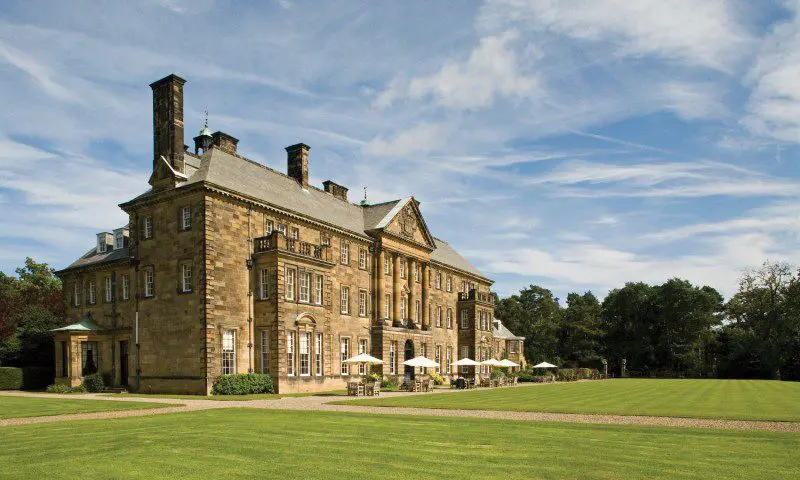
Crathorne Hall is a Grade II-listed building in Yarm, North Yorkshire, with 37 bedrooms. We had quite a substantial fire there 12 months ago which resulted in one of the wings being very badly damaged. The project was all about the complete refurbishment of that wing. It was a major fire incident with a lot of input from the fire authorities and as a consequence there was a lot of damage. There was a very robust plan
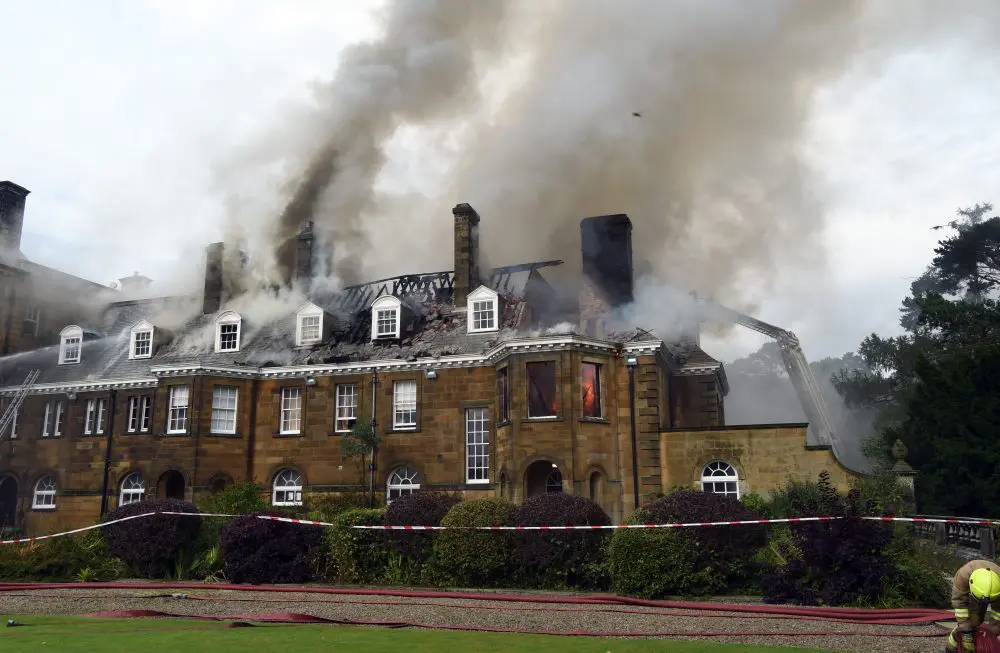
put into place very quickly to get the original part of the hotel running and we were open there within six weeks. Then with the wing that needed to be rebuilt, we got a project team together very quickly and they have been working on it full-steam ever since. We have relaunched the hotel fully finished a year to the day since the fire.
What was the scale of the damage caused?
The fire took place in the roof space, as a consequence the fire brigade had to deal with that which meant there was a lot of damage, particularly water damage, throughout the building. It was a three-storey building including the mansard and during the course of the fire the roof collapsed into the building and then collapsed through the floors. We lost the roof, and all of the interior features in that wing but we were fortunately able to keep the main part of the hotel protected. The only things that were unscathed were effectively the external walls. It has been a total restoration from top to bottom.
What was the budget of the project?
It was around about £4m for the overall cost of the restoration.
Where did the funding come from?
Our properties are fully-insured so it has effectively been funded through insurers who have been very cooperative all of the way through the process. It has been a real strong teamwork effort to get the property back up and running.
What was the vision of the project team?
It was principally restoration because, being a listed building, we needed, and were required, to restore what was there befo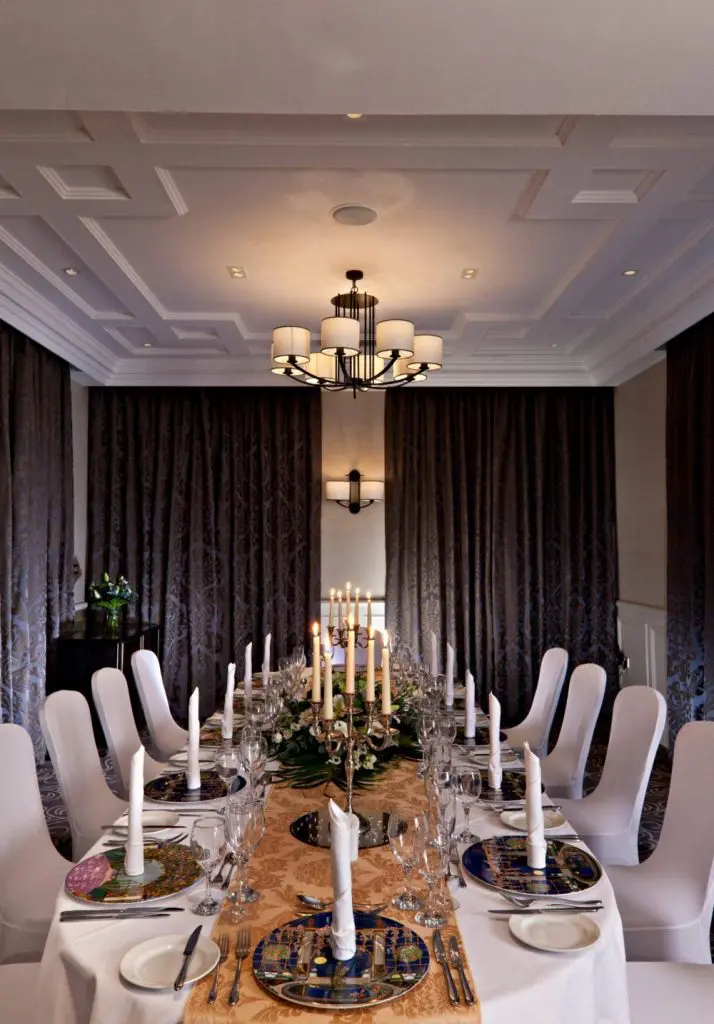 re. The vision was to make sure that in rebuilding it we did everything we could to make the rooms even more attractive than they were before and bring them up to date with features including modern plumbing and the best possible IT connections. We wanted to make it relevant to today’s market. During the fire we also lost the hotel kitchen which was in the ground floor of that wing, so we now have a brand new kitchen in that area. While the area was closed we had to have a temporary kitchen and a great big tented village on the other side of the hotel just so we could keep trading.
As a Grade II-listed building what restrictions were there concerning what you could and couldn’t do?
We had to recreate a lot of features in the traditional way they would have been done. It was a fairly complicated pitched roof and there was lots of interior plasterwork, traditional finishes, leadwork and all types of things. It was very complicated but the results coming out of it are that we have a fantastic building back and it’s even better internally than it was before.
It has now been done up to current building regulation standards and we have been able to open up and improve some of the features, particularly to the conference rooms which we lost in the fire. In the case of the conference rooms on the ground floor they were in the original property’s kitchens so we were able to make a much better use of the space to bring them into a better condition.
Externally we had to match the roof precisely as it was before, we had to locate matching tiles to make it absolutely seamless. We had to restore the stonework that was there and in terms of windows we had to reproduce the windows that were on the building beforehand. We had to use photographs and plans that were lodged at RIBA headquarters in London.
[box type=”shadow” align=”” class=”” width=””]
Julia Hands, chairman and chief executive of Hand Picked Hotels
Tell us about the style and design of the hotel
I think it is worth pointing out that the uniqueness of Crathorne Hall is that, unlike most country houses that have turned into hotels, the property was a complete entity. It has no modern additions, the hotel and all of its 37 bedrooms were built at the same time in 1903. That’s quite unusual to have an integral building with no modern additions to it.
 What were guest attitudes towards the rebuild?
There was a lot of goodwill from the guests towards the project, I think they were very well disposed towards the work. They knew what we were doing and they were very considerate as a result of that.
Has the project changed the hotel’s position in the market at all?
I think markets change with new entrants, and there are constant changes in all of our hotels’ markets. I think Crathorne really has just come back better and stronger than before, because we now have a new bedroom stock in that wing, a new kitchen and a reformed and redesigned conference space. We have a better offering to bring to the market than we did beforehand.
How has the hotel been received so far?
I think it has been received very well. We have had a gradual re-introduction of the bedrooms back into the market. The final phase is now ready but back in June we brought some rooms back on and they were very well received by our guests.
How did you find the process?
We are lucky that nobody was hurt or killed in the fire. It was absolutely shocking and the most devastating destruction of a beautiful property, we were glad to have retained the main wing unscathed. It certainly wasn’t an enjoyable process but I think the best way to explain it is that we made the most of a difficult and trying situation and we brought about the best possible solution we could. It’s worth stressing the incredible contribution of the local fire brigade, their response was magnificent and without them far more damage would have occurred.
[/box]
Were there any challenges along the way?
The only major difficulty that we had was some of the very big chimneys that were left in the building. Two of them had to be rebuilt and one of them had to be stabilised. That was probably the one element that stopped us getting the roof on as soon as we would have liked. The 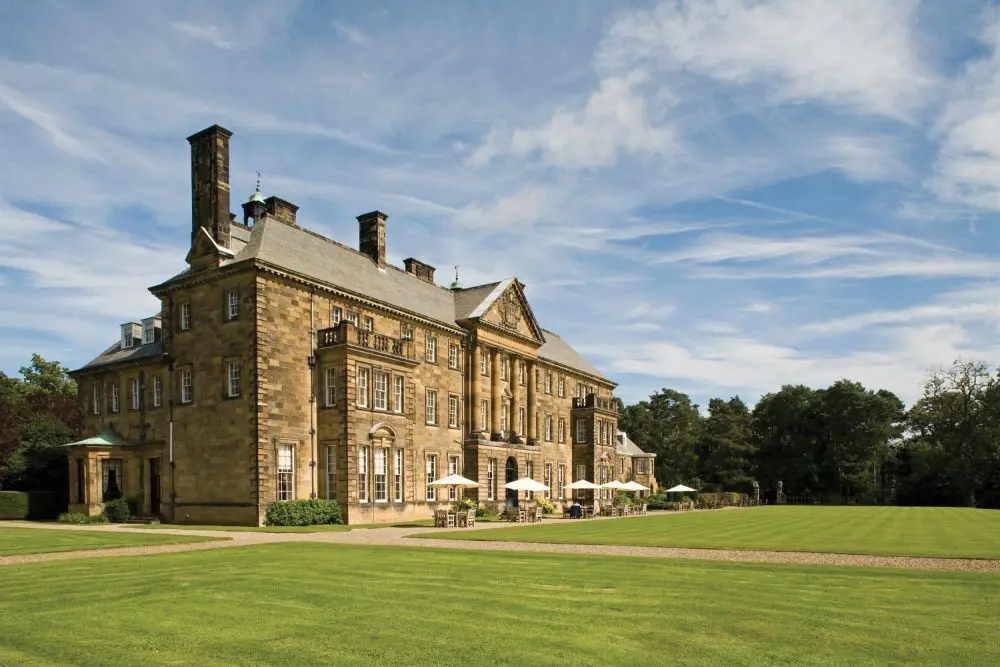 project itself was pretty much seamless, though the interesting thing was that we discovered a number of elements that had been hidden along the way, and we have been able to use these as features. We enjoyed great cooperation with the conservation officer at Hamilton District Council which meant we were able to agree and get approval on the speciality works as we went along.
Did you add any further rooms during the process?
No, it was mainly about restoring what we had lost but at the same time planning the spaces so that the rooms we did replace were even better than they were before.
Did it affect the day-to-day running of the hotel at all and were the any complaints from guests about the noise?
We managed it very carefully, we were fortunate in the way that the wing was constructed. The wing that was damaged was the one side of the principle rooms, so we managed to keep disruption from a guest point of view down to an absolute minimum. In terms of running the hotel, the team definitely had some challenges as they had to learn to work in a very different way. They were working out of temporary kitchens and temporary offices and all of the back of house facilities had gone. Despite this, one of our key objectives was to keep the team together because we had a great hotel team. Everybody mucked in after the fire and helped to get everything straight. They all worked 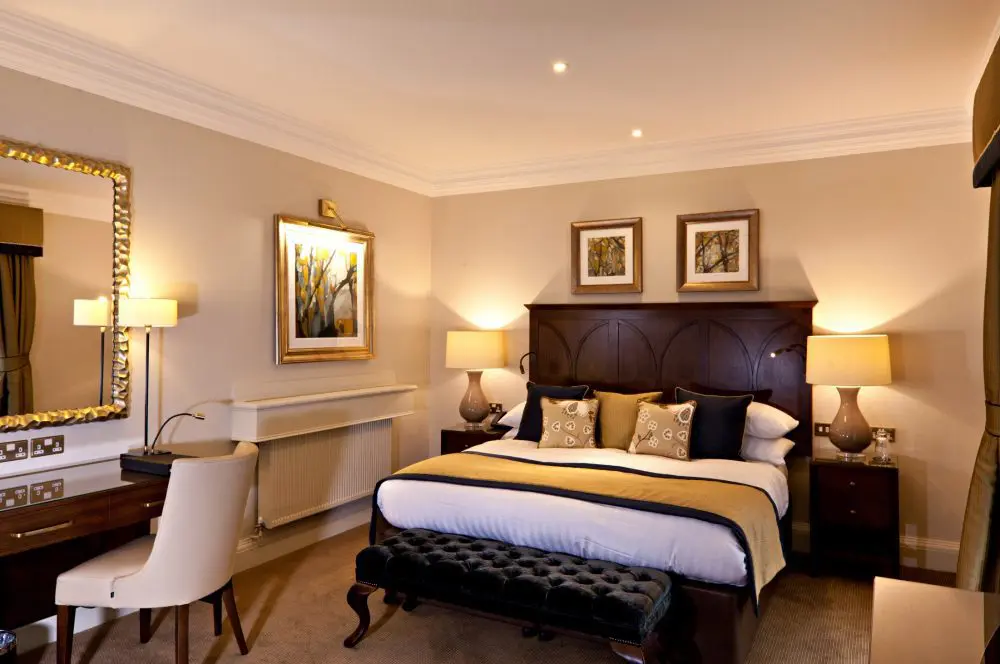 incredibly hard to keep the hotel running as we went forward.
How did this project compare to some of your others?
It’s unusual in carrying out renovations to have to do quite as much structural and building works as we have had to do one this one, but the project has gone really well. Our project manager has a great deal of experience when it comes to listed buildings and quality restoration works. He managed the project really well and it has gone well all the way through. It was a more complicated refurbishment than those that we would normally do in our existing hotels but it has all gone to plan.
Are the staff happy with the end result?
Everybody’s working conditions are even better than they were before and they are really excited about seeing the hotel back at its absolute best. We’ve had a great response from them all the way through and they couldn’t have been any more cooperative.