

























Register to get free articles
Want unlimited access? View Plans
Already have an account? Sign in
The UK Government has unexpectedly fast-tracked the deadline for shop owners to stop selling replica furniture. The change, however, will not go without consequences.
The Fight Against Legal Reproductions
The UK Government announced the repeal of Section 52 of the Copyright, Designs & Patents Act in 2014: the copyright on furniture designs would be extended from 25 to 70 years after a designer’s death. Businesses were given five years to adjust to the change in law, which meant that most of the designs they were selling would then become illegal. By 2020, they should stop selling replicas altogether or else they could face a fine of up to £50,000, and a custodial sentence of up to ten years.
A New Unexpected Deadline: April 2016
While those five years could have been sufficient for most companies to make changes to their business model, the UK Government, under pressure to comply with the new EU copyright laws, unexpectedly fast tracked the deadline to April 2016. Not only does the sudden decision harm businesses and create further job losses, but customers are affected in the long run too. They are, in a way, punished for not being able to own an iconic chair design, even though the original designs were meant to be affordable. As Ray and Charles Eames were famously quoted: “We want to make the best for the most for the least.”
“It’s a sad time for design lovers everywhere. By abiding by the wishes of the furniture giants to hand over the designs that were initially meant to be affordable, functional and beautiful for everyone, we’re losing more than just a legal battle. We’ll be completely out of touch with the visions of those (designers) before us. It’s unlikely that the change in copyright law will increase the sales of originals as very few people will be able to afford these overpriced originals and this doesn’t just affect the everyday consumer, you will also see a lot of the iconic designs fade away from the high street as bars and restaurants will not be able to afford to pay £400 + each for a dining chair.” — Fiaz Iqbal, CEO of Cult Furniture.
The Next Steps: From Stockist to Design Studio
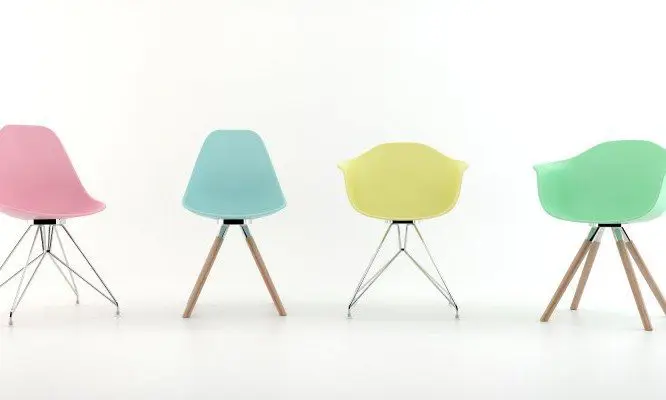
While many businesses struggle to find ways to adapt and innovate within the new timeframe (and possibly need to quit), the most logical step for Cult Furniture was to establish itself as a design studio, instead of being a limited stockist. After learning about the possible law changes in 2014, Fiaz Iqbal put together his own inhouse product design team to create Cult Designs: furniture inspired by iconic designs but with contemporary twists in the brand’s style, to replace their best selling iconic designs.
The road from stockist to design studio, however, hasn’t been an entirely smooth one. Many of the new designs were work in progress and not due to be released until mid-2017. The sudden April 2016 deadline created a lot of pressure and stress in perfecting the new Cult Design range on time. But, with years of market research, the new designs are anything but a gamble. Knowing exactly what customers are looking for in terms of style, Cult Furniture will launch their new furniture line as an alternative to those who will soon have limited access to iconic furniture.
“We firmly believe that everyone should have access to good design. When they want to buy reproductions, this is their choice. We hope to provide an alternative, to keep the vision of Eames alive: that good design should be affordable and for everyone, not just the rich and famous.” – Fiaz Iqbal, CEO of Cult Furniture.
CONTRIBUTED BY CULT FURNITURE
About Cult Furniture
Fiaz Iqbal launched Cult Furniture in 2010, after opening a series of successful bars in London. The idea (of selling iconic furniture reproductions) came about in 2009, when he opened a bar in Putney, London and couldn’t find the specific designs and colours he wanted for his bar and having them custom made was not affordable. After some research, Fiaz Iqbal saw an opportunity to legally sell reproductions in so everyone could access and enjoy iconic designs without a ridiculous price tag. Cult Furniture has since then, grown into a popular one-stop shop for contemporary furnishings for homes, offices and commercial spaces, with customers all over Europe. Known for their Pantone colour selection; their new Cult Designs won’t disappoint, introducing new colour ranges as well as a variety of metal leg finishes, including gold and copper.
With a (growing) workforce including in-house designers, only time will tell whether Cult Furniture succeeds in adapting to the copyright changes in 2016.