



































Register to get 3 free articles
Register to unlock the article and receive our free newsletter. Join 26,000 other hotel leaders and stay in the know.
Want unlimited access? View Plans
Already have an account? Sign in
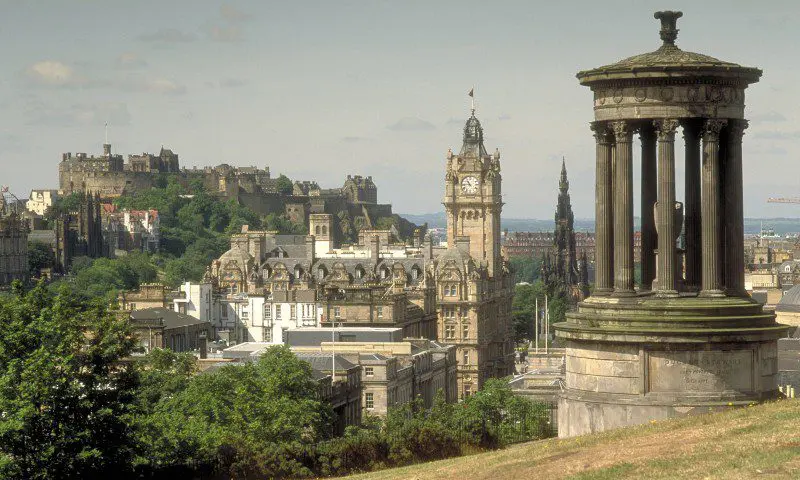
City centre hotels in Edinburgh, Glasgow and Aberdeen all recorded occupancy growth in November, although mixed results were recorded across the Scottish cities.
The latest monthly LJ Forecaster Scottish Intercity Report – from tourism market research firm LJ Research – found hoteliers in Edinburgh sold 80.8% of their rooms during November, which was 0.3% higher than the same month last year.
In addition to increasing room occupancy, hoteliers in the city also grew room rates as the average room rate (ARR) increased from £84.75 in November last year to £100.76 – an increase of 18.9%.
Overall, these figures showed strong growth of 19.4% for revenue per available room (RevPAR), which stood at £81.44.
The trend of future bookings also show positive signs for Edinburgh hoteliers as forward bookings for each of the next six months are all above last year’s levels.
Glasgow and Aberdeen also welcomed more guests compared with last year. However, the overall picture was mixed.
In Glasgow, November’s occupancy rate of 87.5% was 1.1% higher than last year, but more rooms were sold in return for lower average room rates – ARR was £74.46 for a city centre room, which was 1.6% less than November last year.
Combining the occupancy and ARR performance, RevPAR was flat compared with last year falling by 0.5%.
Meanwhile, in Aberdeen, a recent rebound of the oil price to above $50 (£40) a barrel was likely noted with relief. Occupancy grew to 70% in the city – 1.5% higher than the same time last year – but average room rates fell 14.6% to £65.38, compared with £76.55 last year.
As a consequence, hoteliers in the city recorded a 13% decrease in RevPAR.
Sean Morgan, managing director at LJ Research said: “November was the seventh consecutive month of £100 [or more] average room rates for city centre hotels in Edinburgh. The fact that these prices did not negatively impact on room occupancy are signs of a very healthy accommodation market indeed.
“The growth observed in Edinburgh’s hotel industry is perhaps even more astonishing when considering that 800 new hotel rooms have opened in the city so far in 2016 and also factoring in the growth of the sharing economy.”