









Register to get free articles
Want unlimited access? View Plans
Already have an account? Sign in
Visits to England’s tourist attractions increased by 4% in 2014, consolidating the sector’s return to growth following 2013’s positive figures.
That is according to VisitEngland’s Annual Attractions Survey, which reported that all regions across England saw growth in visitor numbers.
The East of England saw the biggest rise – up 10% on the same time last year – while the North West (6%), North East (7%), West Midlands (5%) and the South East (6%) all experienced above average growth.
All attraction category sectors – including country parks, gardens, wildlife attractions, zoos, historic houses and castles – experienced an increase in visitor numbers, with the exception of places of worship.
Farms and heritage centres enjoyed the most significant growth increase, 10% higher than 2013. This was supported by a number of farms across the country enjoying double-digit growth including Puxton Park in the South West (25%), West Lodge Rural Centre in the West Midlands (20%) and the Donkey Sanctuary in the South West (26%).
The research showed that attraction businesses which invested in marketing and digital platforms saw an increase in visitor numbers. Visitor admissions increased by 7% among those increasing their marketing spend, compared with 2% of those which cut back.
Some 83% of attractions now use at least one form of digital communication (excluding websites) and a quarter of sites in the survey’s list offered an online booking facility for tickets or events – up from 21% in 2013.
Gross revenue across all attractions increased 5% on the same time last year. The survey said that a 4% increase in adult admission fees contributed to this.
The Tower of London remains the most visited attraction in the paid-for category with 3.1 million visits, an increase of 6.5% on last year, followed by Hylands House and Estate in Essex with 1.9 million visits and Westminster Abbey with 1.8 million visits.
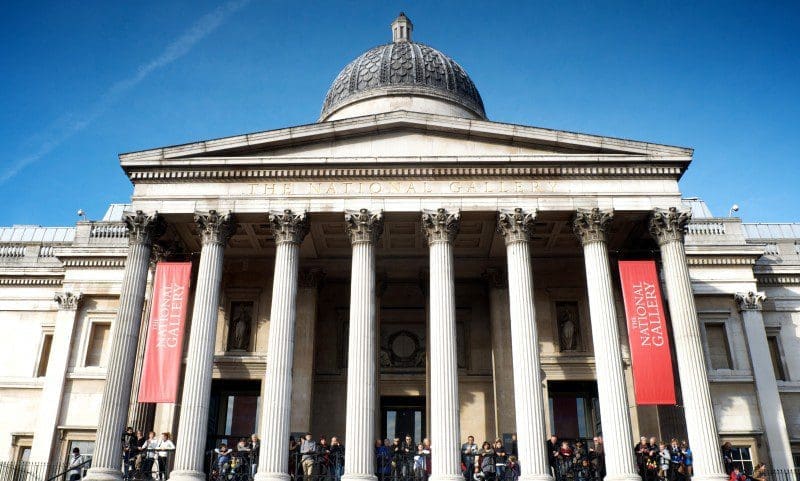
Meanwhile, visits to free attractions were up 4% in 2014. The British Museum marked its seventh consecutive year as the most visited free attraction in England with 6.7 million visitors, followed by the National Gallery (6.4 million visitors, up 6.4% YOY).
James Berresford, chief executive at VisitEngland, said: “Our attractions are core to England’s tourism offer; contributing to economic growth and employment and we are fortunate to have such a wonderful and wide variety available to suit all visitors.”