





































Register to get 3 free articles
Register to unlock the article and receive our free newsletter. Join 26,000 other hotel leaders and stay in the know.
Want unlimited access? View Plans
Already have an account? Sign in
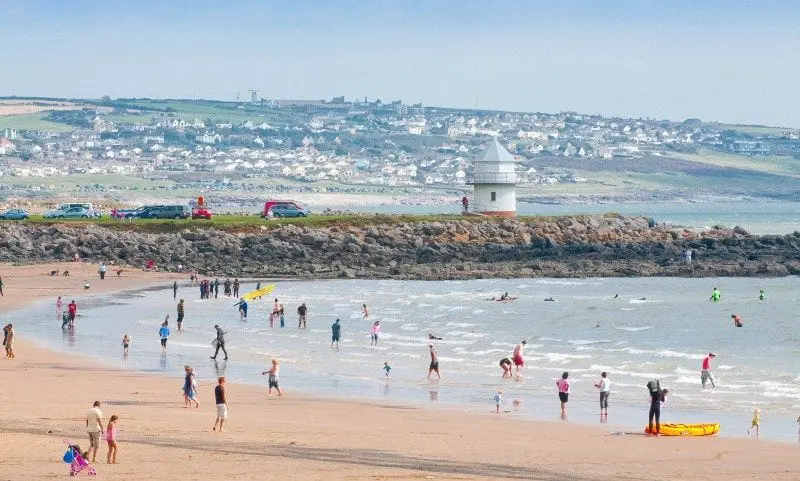
A seaside tsar should be appointed to help Britain’s forgotten seaside towns fight back from “decades of decay”, according to new research released today.
The report, commissioned by the British Hospitality Association (BHA), says that people living in seaside towns are more likely to be poorly educated, unemployed, lacking in ambition, claiming benefits and living in multiple occupation housing.
A separate survey – conducted by the owners of Butlins – found that more than half of the British public have not visited the British seaside in the past three years, and 65% believe that the British seaside is run down and in need of investment.
Nine out of the 10 most deprived neighbourhoods in the UK are seaside communities, according to the Department for Communities and Local Government 2015 Index of Multiple Deprivation.
The collapse of shipbuilding and fishing, the decline of the traditional annual holiday by the seaside, growing drug use, and cutbacks in the budgets affecting maintenance of public places, street cleaning, tourism promotion and the providing of education have all contributed to the situation, the report claims.
The BHA report – Creating Coastal Powerhouses – says that businesses in seaside towns are more likely to fail, especially if they provide accommodation.
It calls on the government to create ‘coastal enterprise zones’ to encourage businesses to move to and invest in the coast.
The successful regeneration of Folkestone in Kent and along the Jurassic Coast in Dorset and east Devon are cited as examples of how the British seaside can recover.
[box type=”shadow” align=”” class=”” width=””]
The report has produced a seven-point action plan to breathe new life into seaside towns, calling on the government to:
- Appoint a Seaside Tsar to coordinate a coherent response across all departments and spending – very much like Lord Heseltine’s work in Liverpool in the 1980s.
- Establish Coastal Action Groups, to develop a co-ordinated response and investment strategy to target the specific social and economic challenges that seaside towns face.
- Create a progressive tax environment, including a reduction in Tourism VAT, to encourage coastal businesses to invest in themselves.
- Create Coastal Enterprise Zones to incentivise investment and encourage businesses to move to the coast and create jobs.
- Invest in critical infrastructure and improve broadband, rail and road connections, and protect against the threat of rising sea levels.
- Improve education and training provision for young people and adults to ensure that they have the skills for a variety of sectors.
- Support Local Authorities to tackle social issues and housing problems which reduce their attraction as visitor destination
[/box]
Ufi Ibrahim, chief executive of the BHA, said the association is “looking forward” to the appointment of a seaside tsar.
She said: “Our members, who invest in and operate hospitality and tourism businesses recognise the problems facing many coastal communities but we also know there are fantastic opportunities to boost these places and help revive the Great British Seaside holiday.
“250 million visits are already made to the UK’s coast each year, generating £17bn to the economy. But we know there is a lot more to do – and that can only happen with a concerted effort by a committed government and the private sector. Together we can turn the tide and bring a smile back to the seaside.”