



































Register to get 3 free articles
Register to unlock the article and receive our free newsletter. Join 26,000 other hotel leaders and stay in the know.
Want unlimited access? View Plans
Already have an account? Sign in
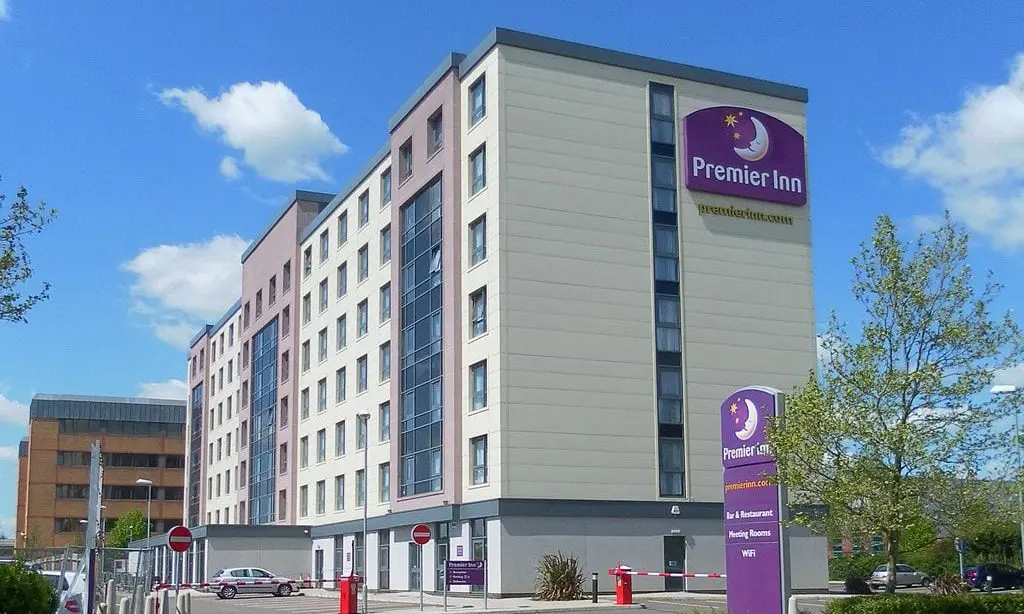
Premier Inn will be replace cladding in 12 of its properties after they were “no-longer deemed to meet building regulations”.
Following the Grenfell disaster that claimed the lives of 72 people all of Premier Inn’s properties over 18m exteriors were tested for fire safety concerns.
The properties that will are affected include the Hemel Hempstead Central, Brentford, London Ealing, Gatwick North Terminal, Heathrow T4, Tottenham Hale, London Waterloo and Bristol Lewins Mead.
The hotels will remain operational while the work is to be conducted as they have been called “entirely safe to operate irrespective of the cladding used” by experts Premier Inn said.
A statement from Premier Inn read as follows:
“Nothing is more important to us than the safety of our guests and team members and so as a responsible business we immediately and voluntarily took the decision to have our hotels with cladding over 18m assessed by independent fire safety experts in the days following the Grenfell tragedy.
“In common with thousands of public and privately-owned buildings across the UK, it was confirmed that a small number of our hotels were no-longer deemed to meet building regulations but crucially that they all are entirely and unequivocally safe to operate – irrespective of the exterior cladding.
“This is because of our robust fire safety and evacuation procedures, which include bedroom doors which are fire-resistant and self-closing to prevent fire spreading; sub-divided corridors separated by fire resistant doors; multiple means of exit. Crucially, unlike residential blocks of flats we do not operate a ‘stay put policy’, our teams are well-trained to evacuate a hotel at the first sign of fire and there are smoke detectors and fire alarms in every single bedroom.
“Although our hotels have been independently assessed as entirely safe to operate irrespective of the cladding used and we’ve not received any request to change the cladding on any of our hotels, we’ve nonetheless taken the voluntary decision to replace it on the small number of properties involved and we’re doing this by working with the relevant local authorities, contractors, developers and landlords.
“Given the unprecedented context including the time that’s needed to test for appropriate replacements, the shortage of cladding nationally and long-lead times to order, this is a complicated issue, but we’re committed to ensuring that the cladding is being replaced as fast as is possible”.