



































Register to get 3 free articles
Register to unlock the article and receive our free newsletter. Join 26,000 other hotel leaders and stay in the know.
Want unlimited access? View Plans
Already have an account? Sign in
Although the fear of fresh travel restrictions and concerns about the pandemic are seemingly in the rear-view mirror, there remains a lot of change impacting the hotel industry.
However, as they have in the past, stakeholders are demonstrating an ability to adapt and pivot their businesses to mitigate risk, to capitalise on opportunities, and successfully navigate volatile market conditions. We have observed, for example, the increased adoption of technology to augment service delivery in the face of a staffing and skills shortage, while developers have partnered with the public sector to deliver new hotel stock and urban regeneration amid rising build costs.
On the demand side, consumer trends are changing rapidly, which have resulted in the large hotel companies launching bold new brands to remain relevant to their loyalty members. Snapping at their heels, however, are a number of emerging players that are looking to exploit gaps in provision to secure a foothold in the market.
We are also observing a renewed focus on conversion and soft brands, as well as the repurposing of existing buildings into hotel use, which in many cases, is proving more cost effective relative to new builds. They also come with the added bonus of having a lower environmental impact.
Despite the growing macro consumer headwinds, the last few months have demonstrated the resilience of travel and accommodation demand. Consumers have an unwavering appetite for experiences, particularly after the last two years and this is something I think will endure beyond the post-pandemic recovery.
Seemingly, many investors agree; at the International Hotel Investment Forum in May, we saw a 67% increase in the number of investor delegates present, many of which were there for the first time, which really demonstrates the increasing appeal and role of hospitality in the capital markets.
Furthermore, as of the second financial quarter, our investor council was signalling an increase in their capital allocation targeting hotels and a concern about a shortage of available stock, which may prove enough to support hotel asset values in the face of rising debt costs and a short-term pressure on hotel profitability.
We also have a new Prime Minister at the helm, and with many local authorities and development agencies already making strides to improve their tourism and hotel offer as part of a sustainable economic development plan, we will watch with interest to see what policies the central government implements to further support the tourism and hospitality industries. Not only are hotels a catalyst for urban regeneration and inbound private investment, but also the root of less tangible positives such as an enhanced civic pride.
There are so many external factors at play, but opportunities do exist and challenges are often best addressed as an industry and through stakeholder alignment. For these reasons, I think the upcoming Annual Hotel Conference will be as relevant as ever, if not more so; all the above themes will be explored in detail by the leading minds in the industry and delivered through a carefully-curated programme of content.
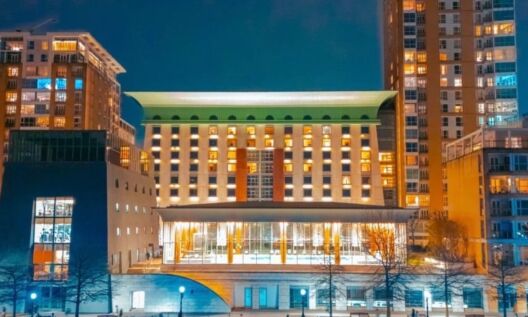
The Questex team have created a platform at the Manchester Central Convention Centre, which brings together the private sector and the public sector, the owners and the operators, the advisors and the solutions to connect, to educate, and to inspire.