












Register to get 1 free article
Reveal the article below by registering for our email newsletter.
Want unlimited access? View Plans
Already have an account? Sign in
Q: I recently read the story about a hotel being slapped on the wrist by the ASA, for having misleading photographs. I always made the assumption that the ASA only targeted big companies. How do I tell if I am flouting their rules?
A: The Advertising Standards Authority (ASA) exist to uphold the ‘Advertising Codes’ as set-out and maintained by the industry, alongside the Committee of Advertising Practice. Their aim is to make sure that every advert in the UK is ‘responsible’, and most commonly they are seen to issue warnings and sanctions for businesses and adverts that are non-compliant.
The ASA identify adverts through two core means; their team review and check ads across all types of media (print, TV and radio for example) to ensure they are compliant; and they also investigate complaints made to them by the general public. While largely effective, this approach does create the common misconception that their standards only apply to big businesses and well-known brands, simply because these adverts are the most high-profile, and therefore the most complained about.
According to the ASA website, there are more than 30 million press advertisements and 100 million pieces of direct mail issued every year, so their work relies largely on advert visibility and complaints. The Advertising Codes set out specific expectations designed to prevent consumers being misled, and to encourage responsible advertising, such as not promoting age-restricted products (cigarettes, alcohol, gambling etc.), across inappropriate channels, or at inappropriate times.
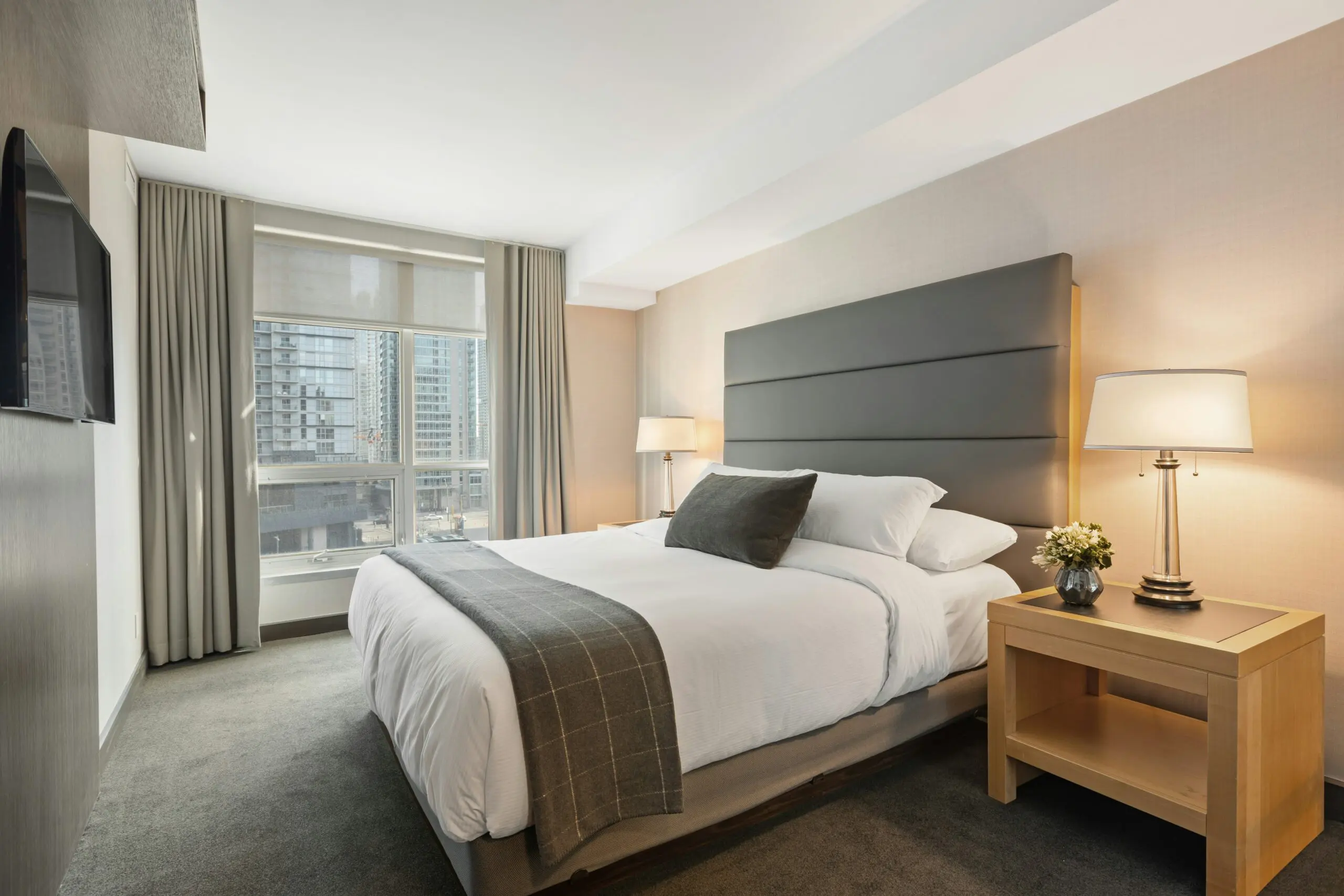
Regarding the story in question, the problem arose from the property having two different styles and locations of room; one group was in a main, elegant manor house building, and the other was in an adjacent, purpose-built training centre, not attached to the main house. The business clearly state at all stages of the booking where a room is located, and the mansion-house rooms are priced to reflect their prime location; however, during some recent advertising, the property used only images of the manor and facilities, and not of the rooms in the training centre which were also available to purchase.
Despite setting out where each room was located during the booking process, the ASA concluded that in the advert specifically, the absence of additional information left consumers without clarity of where they would stay, and therefore ruled that it was likely to mislead. The upshot is that the advert must not appear again in its current format, and that prominent statements must be made regarding the rooms in future.
The Advertising Codes are incredibly detailed, and are available on the ASA website; however as a general rule of thumb, there is an expectation that you must always be able to substantiate or prove any claims that are made in your advertising, and that everything is promoted responsibly. Often, a small nuance in wording is enough to cause a complaint. For example I once worked with a hotel that stipulated it had been ‘fully refurbished’ when perhaps ‘largely refurbished’ would have been better; all the rooms available for booking, and all central facilities had been refurbished in full, but work was still ongoing in a series of external outbuildings, and on one floor. These areas may not have been fully open to the public, but they were cause for complaint from those who got an un-furbished room and from guests who were expecting a quiet, relaxing stay.
Transparency is a good term for considering the ASA guidelines. It is not necessarily the specific wording or imagery used in isolation, but also the impression left by an advert which is accounted for. Ultimately, the ASA consider the likely effect on the consumer, not on the marketer’s intentions from the advert. In summary, don’t materially mislead, exaggerate, omit important information, be ambiguous, misquote, or mislead with pricing which is not widely available, and of course, be able to substantiate everything you publish. What’s more, ensure that any advertising and promotion that you do, does not contravene any other, overlapping laws, such as those relating to gambling (for competitions, prize draws and games of chance).
As you are a small, independent provider, it is likely that any ASA investigation which could arise for your property would come from a consumer complaint that their expectations from your advertising and the reality of your product do not align. Don’t worry though, the ASA does take a very pragmatic view of advertising, and will not prosecute without thorough investigation, and often times will simply warn of future promotion, without any further sanctions. This also means you aren’t just at the mercy of a disgruntled customer as the ASA will do its own assessment; in 2017, the ASA received 29,000 complaints for 16,000 adverts, and made a further 5,425 investigations from their own observations; of these, 4,854 adverts were either changes or removed – a 22% sanction rate.
The risk to your business is likely to be fairly small, but just because you are more likely to ‘fly under the radar’ than big brands, I strongly suggest you still act responsibly. I’d also recommend getting a crisis media policy in place, so that you are equipped to carefully handle any consumer complaints, and calmly state relevant facts should the worst happen.