






Register to get 1 free article
Reveal the article below by registering for our email newsletter.
Want unlimited access? View Plans
Already have an account? Sign in
I do not claim to be an expert on hotel interiors, despite spending much of the last 30 years visiting hotels all around the country in my roles as a former guide publisher and current marketer – but one thing has become very obvious to me…we could be doing better.
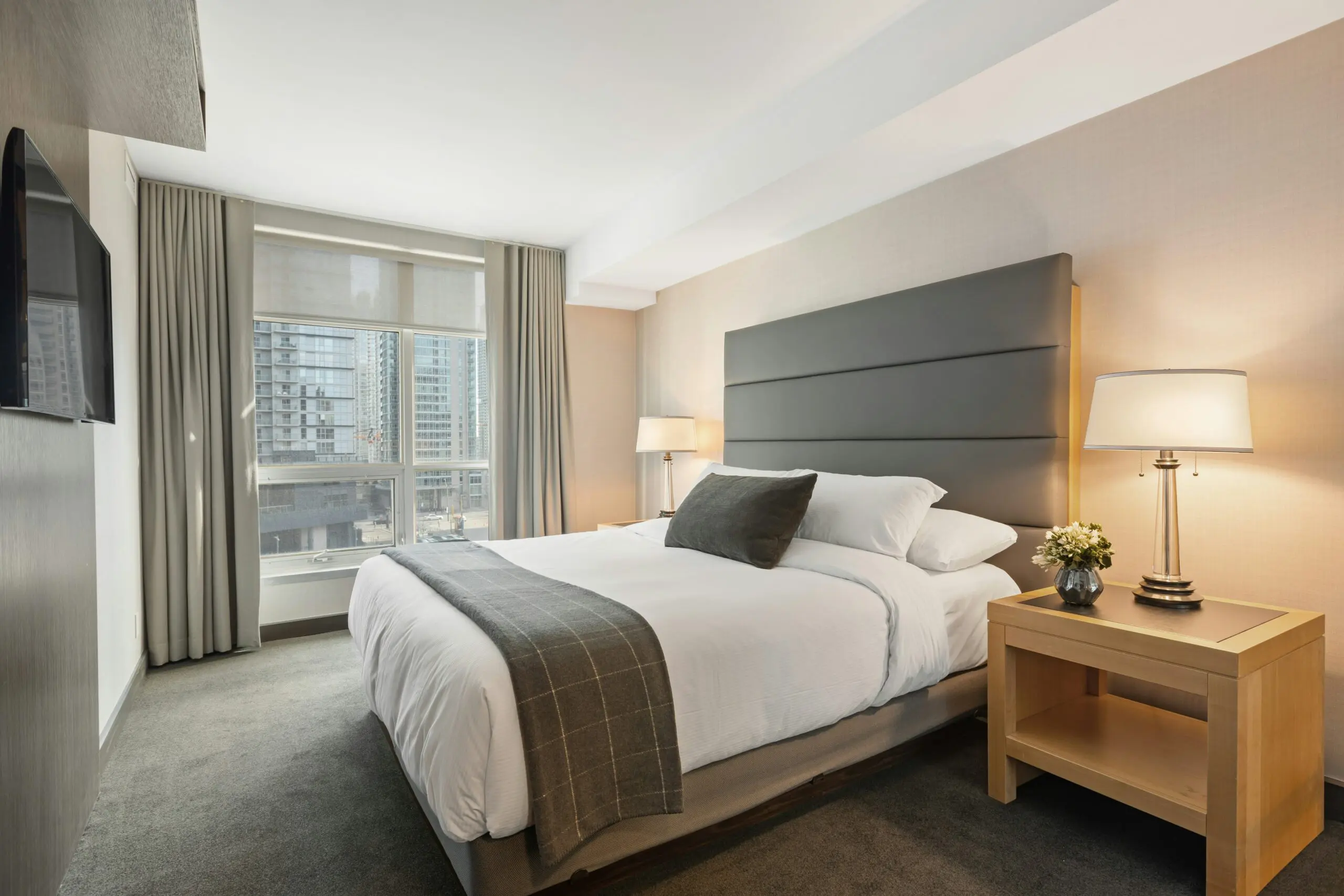
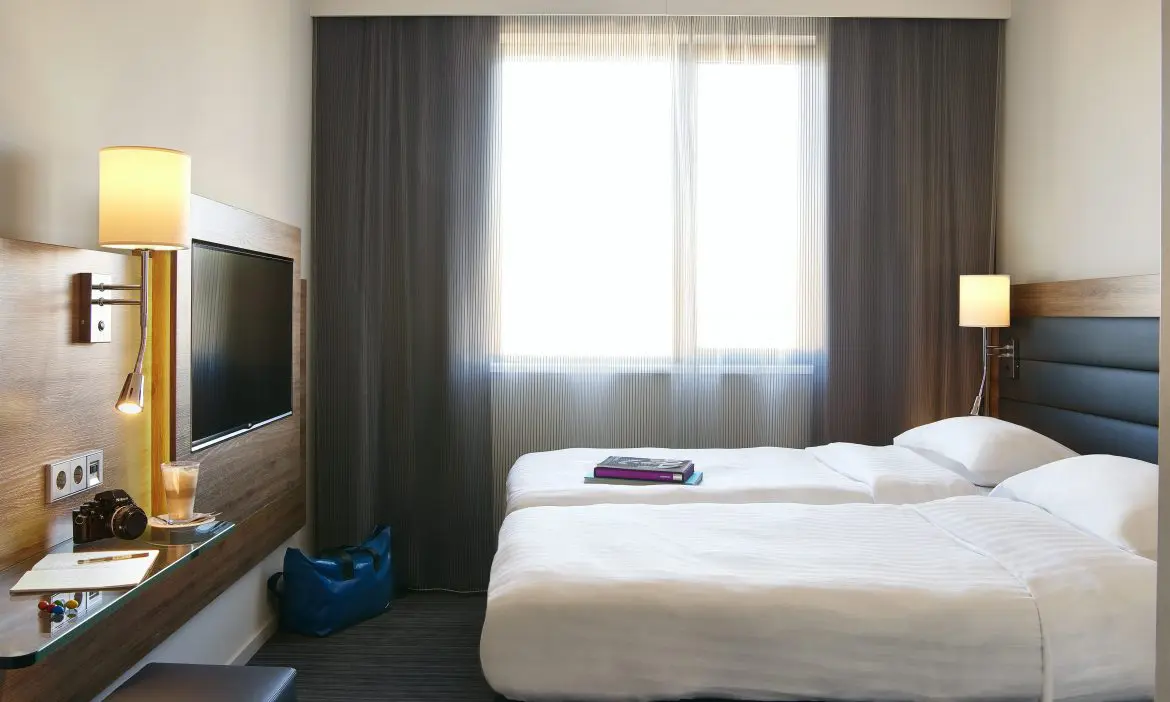
Let us first consider budget hotel chains and the lessons we can learn from them. On my occasional stays at Premier Inn and Travelodge, usually to break a long journey for business, I am always impressed by the unashamed minimalism that almost cries out “look – this is how we make it so cheap”. The wardrobe is simply a pole, toiletries are limited to a foam soap dispenser, the kettle is tiny and in many cases the view is of a car park or petrol station. All fine by me because what I’m paying for is somewhere safe to sleep, wash, get dressed and move on. It may be somewhat depressing but it does the job perfectly.
Looking at the top end of the market there are of course a myriad of other factors. One should be able to take for granted a spotlessly clean environment with copious hot water, lavish amenities and beautiful furnishings. These are the basics to which some hoteliers will add fresh flowers, enormous bathrooms gleaming with marble, glass and chrome. You can probably expect a vast television with all the Sky channels and perhaps a nice little box of chocolates next to a welcome card from the general manager. Rooms will be large; suites resembling luxury apartments, and at the other end of the bedside phone a calm voice ready to respond to just about any (legal) request.
What is very interesting is the rapid change happening in the vast space between these two extremes. The term ‘mid-market’ is misleading because it encompasses such a variety, from traditional small hotels to innovative new players like The Pig group. Furthermore, large companies such as Hilton have spawned dozens of sub brands which seek to emulate the character and charm of smaller, independent operators. To owners of one-off properties this is the ultimate form of flattery.
So where’s the room for improvement? I see two aspects to this. Firstly, our customers’ preferences and expectations are to a large extent driven by what they have at home. Rather than notice simply what other hotels offer, it would be really useful to look inside the houses of our guests. Are they content with Freeview? Do they have a shrill bedside clock-radio? Are they sharing a single wash basin with their partners? To impress we must at least trump the facilities they use every day.
The other area of great opportunity, I believe, lies in better addressing the needs of guests with some impairment. This could be weak eyesight, poor hearing, mobility issues or, in the most obvious cases, wheelchair use. A competition was launched a couple of years ago by Bespoke Hotels and the Royal Institute of British Architects with a generous prize for designers who manage to build accessible rooms that equally delight able-bodied guests.
Ed Warner from Motionspot, who won the competition last year, says “we wanted to create beautiful accessible rooms that gave as much of a ‘wow factor’ as the rest of the hotel. Spacious en-suites feature heritage sanitary ware, stylish mosaic slip resistant tiles and large, level access showers with clever bi-folding glass enclosures that replace the clinical shower curtains”.
If good hospitality is thinking about the comfort of one’s guests, these and similar considerations can make all the difference.
Peter Hancock is the chief executive of Pride of Britain Hotels