




























Register to get 3 free articles
Register to unlock the article and receive our free newsletter. Join 26,000 other hotel leaders and stay in the know.
Want unlimited access? View Plans
Already have an account? Sign in
Normally, I answer a subscriber question in my columns, but this month I’m deviating from the norm to tackle an issue which keeps cropping up on my travels. I work a lot in this sector, and as a result, spend a lot of time researching, visiting and comparing businesses for one reason or another.
What strikes me so frequently at the moment is the number of businesses that raise concerns over occupancy levels or enquiry numbers, despite doing little or nothing to review and improve their image. It’s astounding.
Small business owners and managers usually wear many ‘hats’, and scoop up the shortfalls in staffing and resource. This works when you need to temporarily cover the bar, or need an extra waiter for one service, but it’s a completely different matter when you’re trying to manage the property, deliver on the operations, and also wear the hat of ‘chief marketer’ too. Cutting corners on your marketing due to lack of perceived budget is a self-fulling prophecy; poor marketing begets poor sales which leaves no budget for more marketing.
I decided to do a test during my research and consider whether I was suffering from confirmation bias, or whether there really is an epidemic of poor marketing. In the last month, I decided to keep a tally of the number of businesses that are failing on the marketing front in some way and are not prioritising their public face. This ‘evidence’ is of course anecdotal, but follows many of my marketing mystery shopping criteria and is useful for building a general picture. Over the past thirty days, I visited 109 independent hotel websites and found that:
- 68 websites were not fully or partially adapted to mobile, and I could not complete at least one action or transaction on their site via my mobile.
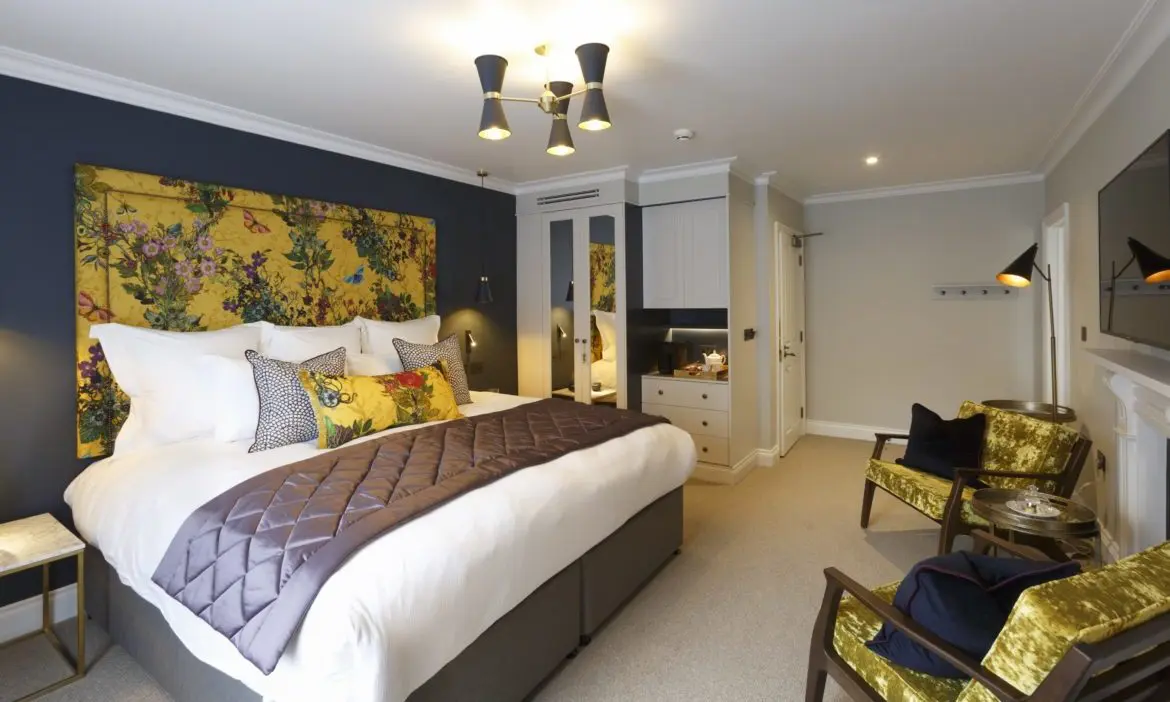
- 52 did not have good quality imagery across the site, with many images clearly taken as a phone snap, with poor lighting, unprofessional angles, and un-staged finishes. Add to this the fact that 6 websites had a main homepage image of the hotel in snow, during this heatwave.
- 72 had a least one offer, event or time-sensitive piece of content that was more than 14 days out of date. I also found 17 offers for Christmas 2017 (!) and 30 for Easter 2018.
Add to this the recent survey results from Vistaprint which highlighted that 56% of 1,000 businesses are not branding themselves properly, and that typically marketing messages are all about the cliché, and it’s little wonder businesses are struggling to differentiate themselves.
Now is the time to either get great at marketing or to admit it’s worth sourcing an expert to drive sales. Perception is everything and booming businesses often have dedicated marketing resource and focus specifically on creating ever-changing content. I understand it can be daunting, but even small, first steps are essential. Having out of date content is ludicrous, and subliminally creates the impression that the business doesn’t care. People buy with their eyes and having poor-quality imagery is just affirming that your business is not worth considering. I regularly hear complaints that budgets are too tight, however quantifying this in figures, consider a business with 70% year-round occupancy, charging an average £80 per night with a bed stock of 30 rooms: this means that the hotel can sell a total of 10,950 room nights in a year, of which 3,285 go unsold, with an astounding value to the business of £262,800 for the occupancy alone.
While I appreciate there are staff and operational costs associated with these stays, upgrading the website will cost between £5,000 and £10,000 most probably, and a professional photoshoot is usually between £750 and £2,000. These are also one-time or infrequent costs, so an investment of £12,000 could generate a 21.9% return on investment for the first year alone.
Of course each individual business is different – size, price and overheads all matter – but what I am trying to demonstrate here is that marketing is not a cost, it is an investment in the future of the business. In 2018 there really is no excuse not to have a professional public face and I encourage all businesses to take a frank and overarching view of the whole business and its marketing. If you’re struggling to be objective, then ask someone else; friends, family and even guests can provide a valuable anecdotal insight and some good product testing.