


































The Visitor Levy Act, which was passed by the Scottish Parliament in May 2024 and received Royal Assent shortly after in July, grants local councils the authority to implement a tax on overnight accommodation, commonly referred to as a “visitor levy” or “tourist tax”.
This new legislation represents a significant shift in how local authorities in Scotland can manage the impact of tourism on their infrastructure and resources, and stipulates that:
- The levy must be a percentage of the cost of overnight stays in specific types of accommodation, including hotels, B&Bs, self-catering apartments, and short-term lets like AirBnB.
- Local authorities consult with the community, businesses, and tourism stakeholders before introducing the levy.
- Revenue generated from the levy is to be used to support local facilities and services, particularly those utilised by both business and leisure visitors.
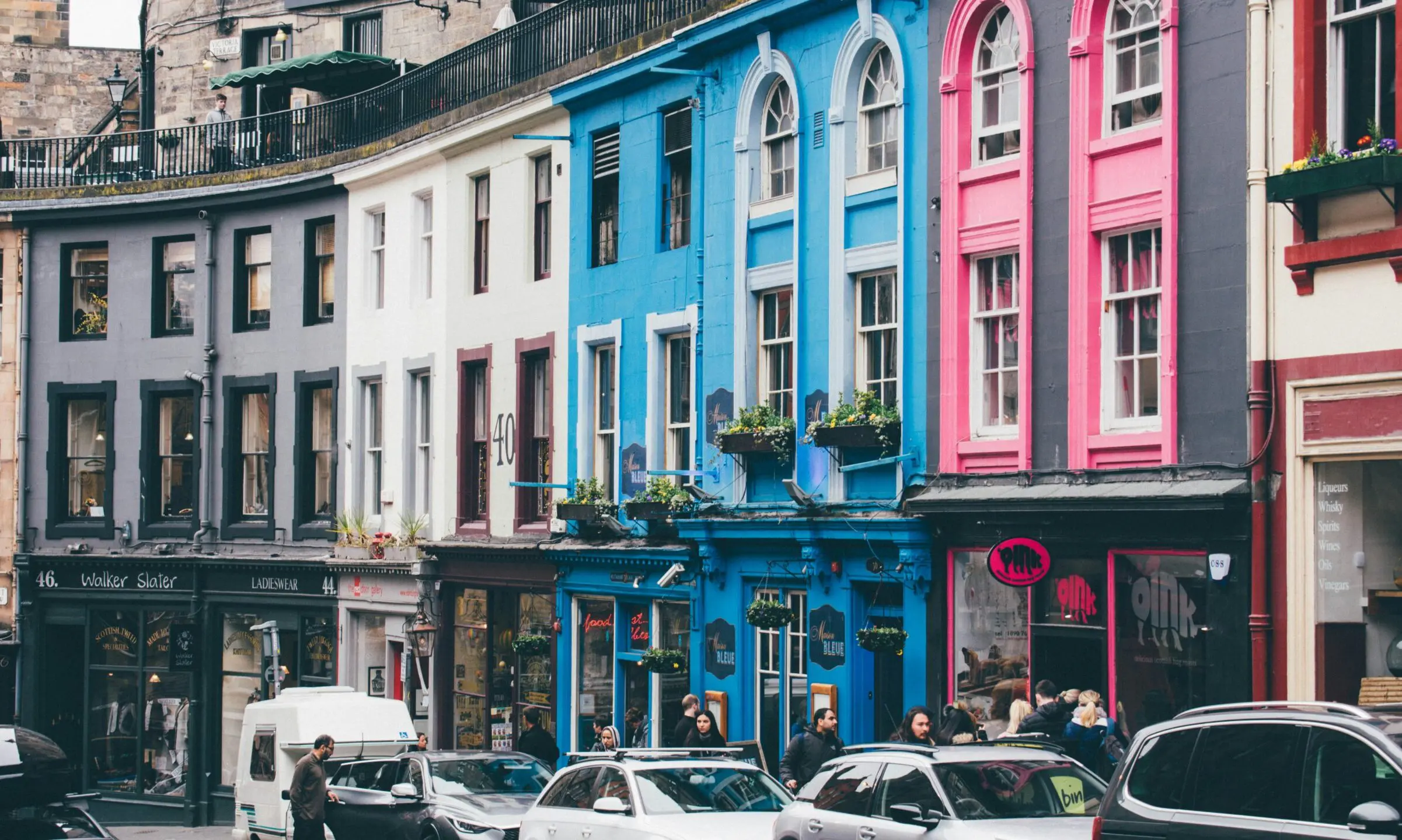
Edinburgh is positioned to become the first UK city to implement such a levy, following discussions by the City of Edinburgh Council’s policy and sustainability committee in August 2024. The council launched a consultation period – which will run from September to December 2024 – to gather feedback from residents and businesses. A final draft of the levy scheme is expected to be presented for approval in early 2025.
If approved, the levy would take effect by mid-2026 after an 18-month preparation period. The council aims to introduce a 5% surcharge on overnight stays, capped at seven consecutive nights. It is expected that the levy will generate between £43m and £50m annually, which would be reinvested into local infrastructure, housing and tourism-related initiatives.
Expected use of levy funds
Affordable housing and public spaces: Approximately 50% of the revenue is earmarked for housing projects and improving public spaces, such as parks outside the city centre and the refurbishment of key cultural venues like the Ross Bandstand in Princes Street Gardens. The city plans to use a portion of the income to secure £70m in borrowing to address Edinburgh’s growing housing crisis, a pressing issue exacerbated by rising house prices and short-term rental platforms.
Festivals and cultural infrastructure: Some 35% of the levy proceeds will be directed toward the city’s festivals and cultural venues. Given that Edinburgh is home to some of the largest arts festivals in the world – including the Edinburgh Fringe – this investment will support the city’s creative communities.
Tourism and destination management: The remaining 15% will go towards tourism initiatives aimed at enhancing visitor experiences and ensuring the city remains a top destination. This will include destination management strategies to preserve the city’s heritage, while accommodating the growing number of tourists.
The hospitality sector’s concerns
While the city council views the visitor levy as a necessary step to manage the pressures of tourism, the hospitality industry has expressed some concerns regarding its potential impact. UKH Scotland has been particularly vocal in its feedback to the council; Leon Thompson, executive director of the association in Scotland, acknowledged the inclusion of cost recovery mechanisms for businesses but cautioned against the negative consequences the levy could have if not handled properly. Under the draft scheme, accommodation providers will retain 2.5% of the proceeds to cover administrative costs associated with collecting the levy. UKH sees this move as crucial to mitigating the financial burden on hotels, guesthouses, and short-term rental operators.
Thompson emphasised that while the levy could raise substantial funds for the city, it is essential that these revenues are used to enhance Edinburgh’s visitor economy rather than as a means to supplement routine council operations. A core concern for UKH is the potential for increased operating costs for accommodation providers, which could hinder their ability to reinvest in facilities, hire staff or stimulate economic growth.
Edinburgh’s visitor levy is modelled on similar schemes found in popular European cities like Amsterdam, Berlin and Lisbon, where tourism levies have not negatively impacted visitor numbers.
The council believes that the tax will have minimal effects on Edinburgh’s tourism industry, which attracts around 5.3 million overnight stays annually. However, industry leaders, including Sir Rocco Forte, have expressed apprehensions. Forte, who owns the prestigious Balmoral Hotel, recently warned that a levy of 7% could cost his guests an estimated £1.3m annually, potentially discouraging high-end visitors.
Despite these concerns, there is no clear evidence that visitor levies in other cities have led to a significant decline in tourism. In fact, some cities have found that tourism remains stable, and the revenues collected have been instrumental in addressing infrastructure pressures created by high visitor numbers.
Edinburgh officials hope that the city’s attractiveness and cultural offerings will continue to draw visitors even with the additional tax. That said, the visitor levy will bring about the following long-term effects onto the city’s hospitality scene:
Increased costs for visitors: With the addition of a 5% tax on accommodation, visitors may find their trips slightly more expensive. However, as the levy is capped at seven consecutive nights, the impact on extended stays or high-value bookings (such as luxury hotels) may be more pronounced than on shorter, budget stays.
Competition with other destinations: Edinburgh may face increased competition from cities that do not impose a similar levy. However, as other major tourist destinations implement similar taxes, Edinburgh could still remain competitive, especially with effective marketing strategies and reinvestment into tourism infrastructure.
Reinvestment into the sector: The allocation of levy proceeds toward cultural, tourism and public space improvements aim to benefit the hospitality industry, which could result in long-term growth for the sector, making Edinburgh a more attractive destination overall.
Support for local communities: By addressing housing shortages and improving public services, the levy could contribute to a more sustainable tourism model. This may help ease tensions between residents and tourists, especially in areas that have experienced issues such as over-tourism, inflated housing costs, and the erosion of local culture.
Edinburgh’s visitor levy represents a significant policy shift designed to tackle the growing pressures of tourism in the city. While there are legitimate concerns from the hospitality sector regarding the economic burden of the levy, the potential to raise £50m annually is an attractive prospect.
For the levy to succeed, it will be crucial for the City of Edinburgh Council to balance the needs of residents, visitors and businesses while ensuring that the revenues are used transparently and effectively.