
































Register to get 3 free articles
Register to unlock the article and receive our free newsletter. Join 26,000 other hotel leaders and stay in the know.
Want unlimited access? View Plans
Already have an account? Sign in
The concept of the typically small hotel embodying a luxury experience, often themed or styled to represent a chic feel, is common all over the world nowadays. A boutique hotel’s charm and diverse character draws in clients seeking a change from generic cream walls and bland décor, instead opting for glamorous opulence and individual flare.
G! Boutique in Portsmouth puts its stylish and modern décor down to its understanding of boutique chic as an individual mark on not just décor but on service as well. Manager Eli Gray explains that a boutique hotel doesn’t follow the crowd: “At G! Boutique, we live and breathe this concept and it’s the thing that motivates the staff and gives the guest a memorable experience.”
Chester-based Oddfellows says a boutique hotel embodies a certain spirit of independence and has a distinct personality, which usually transposes itself into unique design. Sarah Dougherty, the hotel’s manager explains: “In Oddfellows case, we have a quirkiness and a sense of mischief, but underlying it all is a sense of seriousness in delivering something of substance, whether that is interiors, food or service.”
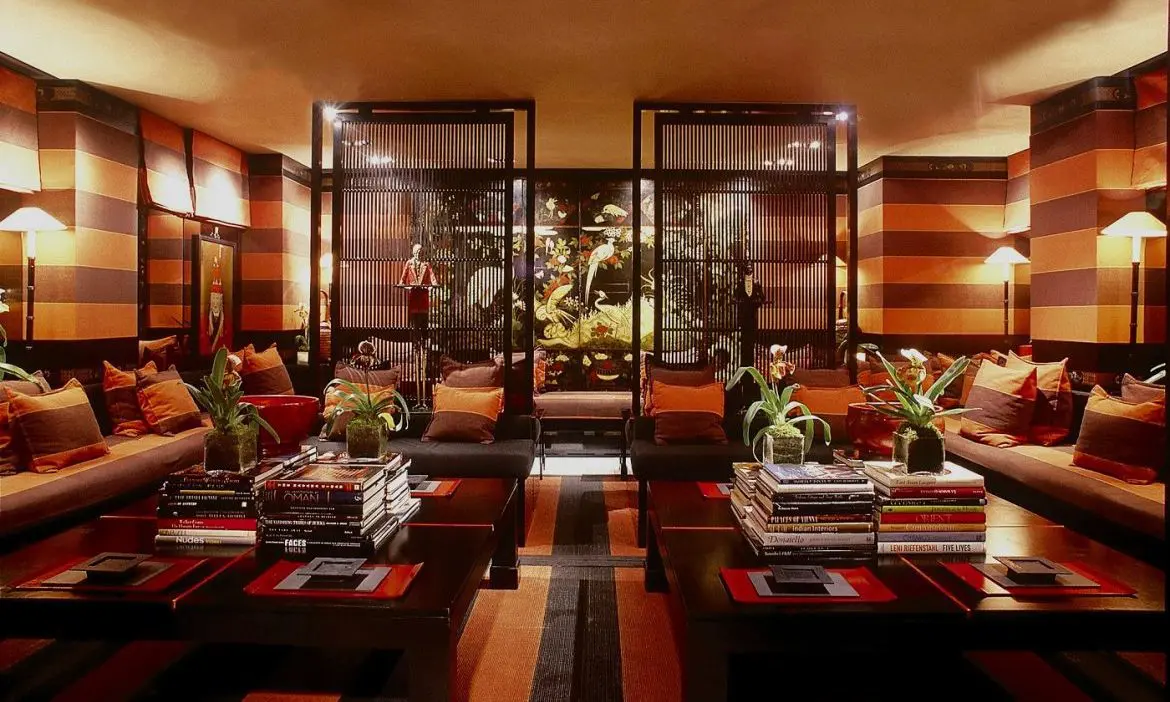
The concept of the boutique hotel is widely credited to Anouska Hempel, the internationally-renowned designer who stamped her own individual style on Blakes in South Kensington in the early 1980s. With its east meets west theme and rooms filled with sumptuous fabrics, it became the model for the ‘fashionable small hotel’ in cities around the world. Hempel describes how she incorporated many design elements from her own home into the hotel. She says: “It was the first boutique hotel, designed as a London townhouse and decorated as such. I included things I love, such as orientalism, scented candles, slippers in the room and little sachets of lavender in the drawers.”
With boutique hotels seen as a welcome change from the repetitive nature of larger hotels and chains, Dougherty adds that Oddfellows encompasses its own ideas of style over substance: “Our design doesn’t take itself too seriously – and looks at things with a fresh pair of (sometimes childlike) eyes. We also like to throw a bit of the unexpected in there… tea parties on the ceiling, typewriters climbing the walls, a secret garden.”
The desire to create an alternative to the blandness of the big hotel chains also inspired Ian Schrager and Steve Rubell to open Morgans in New York and it was in fact, Rubell who first coined the phrase ‘boutique.’ He likened the highly individual and quirky property they conceived to a small, exclusive boutique as opposed to a large, soulless department store. For Schrager and Rubell, boutique meant originality of design, personalised accommodation and a stage upon which to create a sense of drama.
Bath-based Grays Boutique takes its spin on the word boutique with a theme of French ‘Shabby chic’, a stand out look that it applies to room décor, design and fabrics, which is still fulfilling its “desire to create a ‘home-from-home’ feel, that is relaxed, while stylish.”
The days when guests simply saw the hotel room as somewhere to sleep for the night have long gone and the arrival of the boutique hotel created a whole new concept by turning a guest’s stay into an experience. G! Boutique’s Eli Gray adds: “Often when I have stayed in a chain hotel, I have left with a bit of a flat feeling. I wanted to create something different and exciting, where guests really felt like they had been away somewhere, especially as many of our guests don’t have the opportunity to get away very often.”
Unlike many mainstream hotels where every room is the same, boutique hotels offer a blank canvas for creative expression with individual bedrooms. As well as introducing the term boutique, Rubell and Schrader were also responsible for several concepts key to this brand of hotel from turning the lobby into a space for socialising, to creating a stage upon which to show off some spectacular designs.
Guests entering the Hotel du Vin in Harrogate walk straight into a bar area with sofas and snugs, which has been specifically designed to allow both residents and non-residents to meet. In fact, all the company’s hotels have moved away from the stuffy and formal reception areas of the past towards an informal area in which to socialise. While newer boutique hotels, such as the Portsmouth getaway G! Boutique utilises its space with striking purple furniture contrasting against crisp white floors in its lobby area, far from an unwelcoming dingy reception area.
One of the reasons the boutique hotel has proved so popular with guests is they offer a personal experience that many larger hotels cannot match. Smaller numbers of rooms mean there is often more staff than guests and this, in turn, results in higher levels of service from remembering someone’s name, to their drinks preference in the bar.
According to Eli Gray, in the current market those looking to escape for a few days are searching for value for money more than ever and making their hard earned money go towards something worthwhile. She explains: “People no longer want to go into a faceless hotel and be considered just another number. With boutique hotels people are not just paying for a room but for the whole experience, and boutique hotels provide a form of escapism away from the routine of everyday life.”
However, with some establishments brandishing the name ‘boutique’ having in excess of a 100 rooms, could boutiques be losing their individuality as the popularity rises and the idea behind a boutique hotel moves away from its original concept? For example, Britannia Hotel’s portfolio of properties includes a 103-bedroom boutique hotel located next to Hampstead Village, while the Malmaison Hotels in Manchester and Newcastle has more than 100 bedrooms.
However, Grays Boutique has found that guests have become more aware of the market and are recognising that a hotel with over 100 rooms “simply cannot be a boutique establishment.” It goes on to say: “Try picking the room of your choice in a large hotel – very difficult, whereas in our hotel, guests can see the specific room they want and book it there and then. That is an example of one of the characteristics big hotels cannot match if they are going to describe themselves as ‘boutique’.”
Robert Barnard of PFK, one of the UK’s leading firms of accountants and business advisers, suggests the line between the boutique and mainstream hotel is becomingly increasingly blurred. He adds: “There are lots of niches being created at different market levels. People want to carve out specific positions for themselves; they want to enable themselves to appeal to slightly different markets. It is becoming much more sophisticated.”
George Bernard Shaw once said that “The great advantage of a hotel is that it’s a refuge from home life” and the boutique hotel clearly offers this to guests. From the attention to detail, unique designs and high level of service they certainly seem here to stay. Although they are now moving away from the original quirky concept they continue to prove popular with both guests and hoteliers and as one of their founders Ian Schrager asserts “This heightened experience and individuality is something that I think is the future of the hotel business.”
This feature first appeared in the February 2014 issue of Hotel Owner.