




































Register to get 3 free articles
Register to unlock the article and receive our free newsletter. Join 26,000 other hotel leaders and stay in the know.
Want unlimited access? View Plans
Already have an account? Sign in
Striking the right balance between a stylish look and saving money is an important process for every hotelier. Lighting is key to the look and feel of a hotel, it is an essential part of the makeup of the environment that hoteliers can create for their guests, and different choices can completely change the ambience and atmosphere of a hotel. But with such a wide array of choices, it is crucial to formulate a clear direction of the mood you want for your hotel.
How to choose
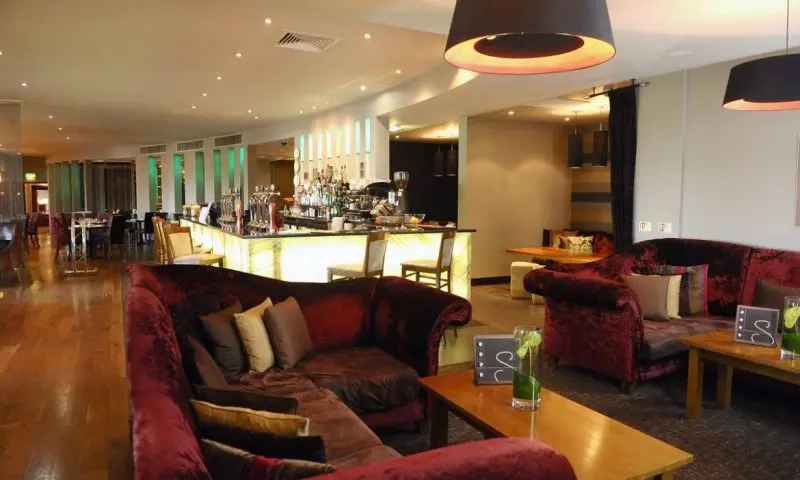
There are three principal areas of lighting to consider. The first is ambient light, which is the general light in the room; the second is task lighting, which is a brighter light placed in an area where good visibility is necessary, for instance a restaurant or desk; the third and arguably most important is accent lighting, used to create an atmosphere and a mood and often used to draw a guest’s eye to a particular wall colour, or a piece of art or sculpture. All of these elements help to produce a homely feel for the hotel interior.
A good mix of centre lighting and decoration lighting will help light up certain areas more than others, stopping those darker corners from bringing down the overall impression of a room. LED lights are becoming increasingly more popular for their significant energy savings and for their long product life. LED lights, bulbs and lamps will all work together in order to create softer or brighter lighting areas, for example in a restaurant there should be stronger lights so guests can see their food; whilst in the hotel rooms lights will tend to be softer and more comforting.
Lighting as a decoration
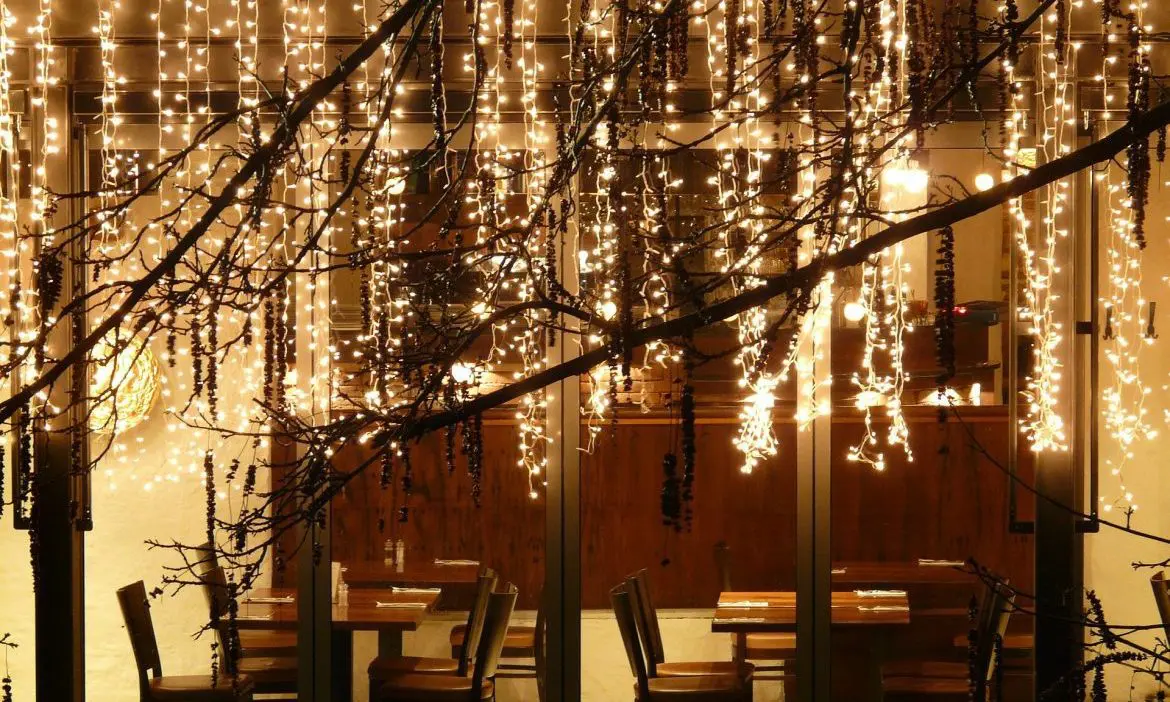
Hotel lighting can also take the guise of merely decorative rather than ‘room filling’, adding some character and flavour. Installing decoration lights such as lamps, chandeliers and wall lights will help to harmonise with the decor of the hotel, whilst also providing some well needed light to certain areas of the hotel that may be obscured from windows or other lighting.
Suzie Daniel, owner of The Beach at Bude, a luxury hotel in Bude, Cornwall, says: “We have a lot of LED lighting but these at times can be too bright so we counteract them with a lot of lamps. Decorative lights such as lamps are great as they provide softer lights and bring a lot of character and atmosphere to a hotel. They are also useful for lighting up certain corners of the hotel, especially in the summer when you won’t need the lights on all the time.”
Nathan Bryant, general manager at the Grosvenor Arms in Shaftesbury, Dorset, says: “We have no central lights in the rooms at all and only have smaller lamps, what we are doing setting an atmosphere.”
The little things
A key skill in the hoteliers’ locker is attention to details and some of the subtle nuances in the hotel can help make or break the overall feel of the property. It is important therefore not to discount the differences in style that the smaller details could bring, such as a light switch.
Bryant says: “The devil is in the detail. All of those little touches and small things are what people remember, surprisingly. Guests generally see all of these small details within the first 10 seconds of walking into the room and then their mind will be made up on whether they like the room or not.”
Going green
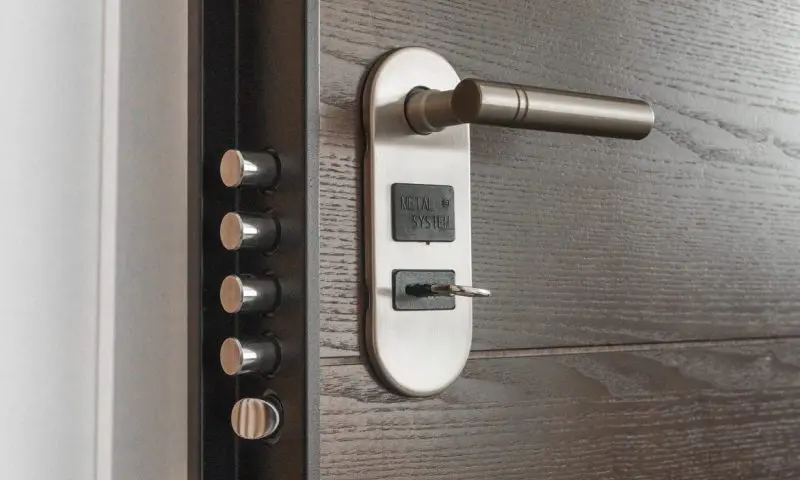
Lighting choices also provide a great opportunity for hoteliers to cut costs and install more environmentally friendly electrical equipment. According to Considerate Hoteliers, replacing traditional light bulbs for modern LED lighting technology can cut energy use significantly. Wasting energy from lighting can cut down a hotel’s profits. Having key cards instead of traditional keys, so that guests need to have their rooms unlocked to use electricity can also dramatically improve the overall energy efficiency of the hotel.
Christopher Airey, managing director at the Green House Hotel in Bournemouth, who has installed low energy LED and compact fluorescent lighting throughout the hotel, believes that low energy lighting technology has advanced rapidly in recent years. He says: “Low energy lighting options are vast compared to what was available a few years ago when a lot of it produced overly yellow or very harsh white light – this is no longer the case. We also installed control systems in the public areas so the lights are sensitive to the levels of natural light available and they adjust automatically as a result. They are also linked to presence detectors.”
Not only does lighting give hoteliers a great opportunity to boost the décor of your hotel, but it also gives hoteliers a good chance to make your hotel more environmentally friendly and even create more profit by saving energy. But one thing is for sure: choosing the right lighting to match the style of your hotel is absolutely essential for guest perceptions, and indirectly, overall success.