



















Register to get 3 free articles
Register to unlock the article and receive our free newsletter. Join 26,000 other hotel leaders and stay in the know.
Want unlimited access? View Plans
Already have an account? Sign in
I was going to write about Brexit this month. It seemed timely, as we rush towards the exit date with one eye on the crystal ball trying to work out what is going to happen next.
At the time of writing, the dates have just shifted for a delay into either April or May, depending on the seemingly unlikely scenario that the MP’s of Westminster are able to get a majority behind something?
So, with this backdrop of perpetual motion in Westminster, and deeply considered pressure on business owners to look at their investments and plans ahead of what might come next, let’s think about the long-term sustainability of assets we own and operate. Preservation and value being key words to guide a property management strategy. In the hotel owner and operator’s world, what does it take to maintain performance and standards across a complex estate of bricks and mortar?
Let’s face it, over a period of time, hotels take some stick. High occupancies with guests who come and go for often very short stays. They don’t always treat a hotel room in the same way as they love and respect their own home. Corridors and bedrooms alike take sustained pressure from the stream of roller suitcases in and out, week after week. Buildings are tested to their maximum as often as possible.
The boilers have to deliver hot water to every shower up and down the building all at the same time. The air conditioning needs to cope with the constant change, and the lifts go up and down repeatedly all day, every day. There are many moving parts as a hotel breathes 24-7, and then, of course, these days, we add so much more technology, which doesn’t always behave quite as it’s meant to!
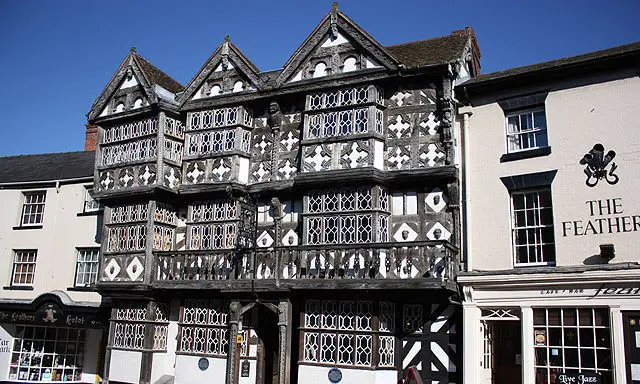
At Roomzzz, we have a small yet diverse set of buildings across our estate. We have original owned buildings, we’ve bought other converted assets which have been re-branded, we’ve built new buildings and developed old listed ones. Owned, leased and managed. Each deserves a focus on long-term value appreciation, capex strategies and maintenance schedules which preserve the guest experience and a well-earned customer reputation for personal service.
Let’s first look at the value of having a maintenance team on site, with the skills to look after the building properly and the passion and pride of an employee who cares. There are plenty of options to address the daily maintenance rigour with contractors, but we chose to build a team of skilled employees with experience and qualifications, such as plumbers, electricians and decorators.
How can you get to know your buildings any better than with your own team with all the different skills needed to get underneath the surface of the place? A team of people who have a vested interest in getting things right first time. Having your own team means they watch the budget and spend on the right things; they don’t cut corners and they protect the building as if it were their own. Our team has a solid schedule of planned preventative maintenance. It drives the compliance requirements and legal obligations.
Team members support each other and they share their skills across the estate to make sure we get the best value for the investment we make in them and retaining their services. How are you going to get the same results from contractors who come and go, often different faces, who have to learn their way around the building each time they are called out? It only makes sense to plan properly, organise well, and execute consistently across the estate.
Of course, we don’t have every skill needed within the team. Specialist cover ensures we fill the gaps and manage legal compliance in areas like the lift maintenance, water testing, fire systems and ventilation. You need to be honest with your approach to maintenance budgets and building preservation. Don’t bury your head in the sand and don’t cut corners; it will often come back to haunt you… Buy cheap and you buy twice! It’s far better to ‘plan to protect’ your business than ‘plan to be lucky!’
So now you have your short-term resources and budget organised to deal with the ebb and flow of people through the building, it’s crucial to start planning for long-term development and value protection. Capital planning also takes time to prepare and organise. Capital investment is not something you should leave for every 7-10 years when you feel the product is tired or fashions have changed. Capex planning is helped with a mature and innovative approach to construction and interior design. If you have thought about how you build and how you refurbish your product from the outset, then the planning and spend can be delivered in the best way possible.
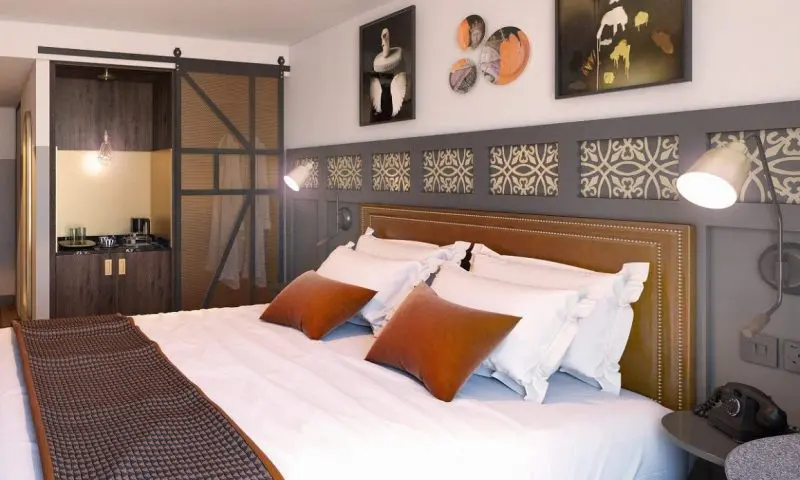
Maybe we cannot predict a lot about the future, if the current political climate is anything to go by, however, we can design our buildings and rooms to be flexible for future needs and clever enough to wear well for the time that we need them. Maybe there are no guarantees for future proofing, particularly with technology, but understanding how bedrooms and space will be used and how it will age will guide your plans to refurbish and re-design in the future. As developers and operators, we have a rigorous process to test our approach and challenge our design to work and last as well as possible.
One thing is certain. Your hotel won’t look after itself. A proactive maintenance regime, dedicated resources and carefully considered capital plan with ongoing furniture and equipment provision on your P&L will put you on the front foot. You can’t rely on what comes next as far as Brexit is concerned, however, your reputation in the market and your value at the bank is something you need to rely on, so don’t just take things by chance and forward plan to succeed!