





















Register to get 1 free article
Reveal the article below by registering for our email newsletter.
Want unlimited access? View Plans
Already have an account? Sign in
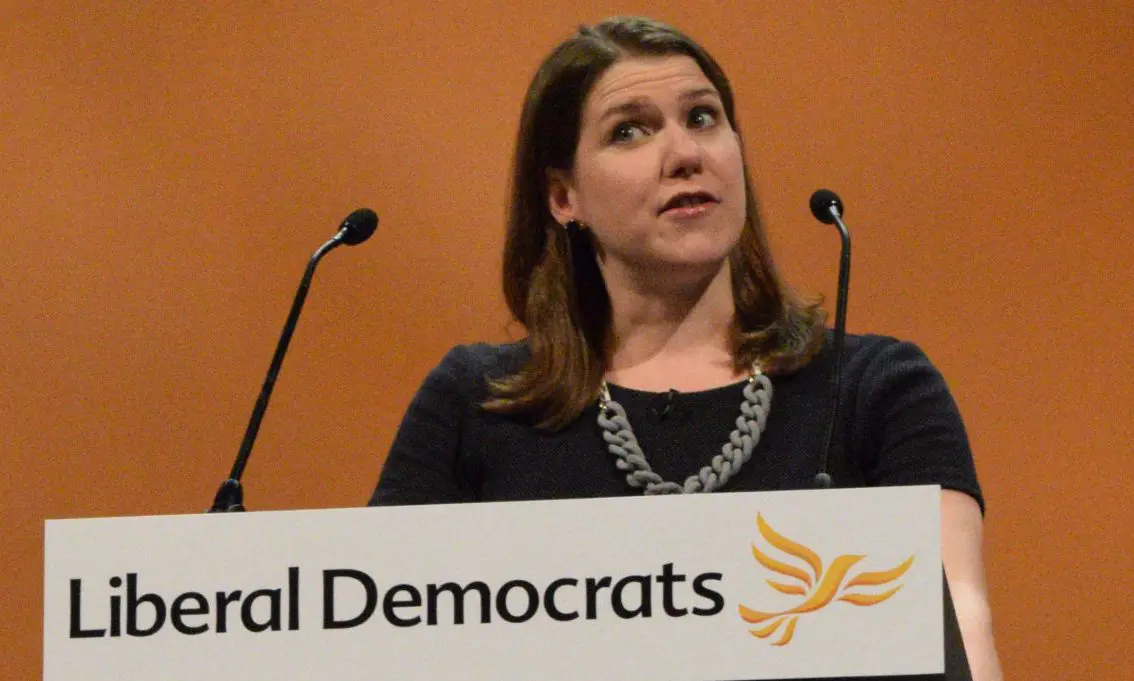
Over the weekend the leader of the Lib Dems, Jo Swinson, visited Hertforshire to discuss her party’s approach to SMEs. The timing was important: it was Small Business Saturday, an idea imported from the United States, the purpose of which is to promote buying local, and to draw attention to the small business backbone of the economy.
Her party claims it will scrap business rates altogether and provide more “support” for entrepreneurs. Given the volatility of this election, it is possible that the Lib Dems will be kingmakers in any government that attempts to form in a hung parliament, and so Swinson’s take on this issue could indeed result in policy action.
The Lib Dems say almost a million businesses closed between 2016-2018, which marks a rise of almost a third compared with the previous three years. It will come as no surprise that they blame Brexit for this phenomenon, but even so, is it credible to claim that business rates could be abolished?
Well, the devil is in the detail. Rates as we know them today would be replaced by a new land value tax on landlords, under the Lib Dems’ policy.
Currently, according to the government website, business rates are paid by the tenant business and are worked out based on your property’s ‘rateable value’, which is its open market rental value on 1 April 2015, based on an estimate by the Valuation Office Agency (VOA).
Ultimately, business rates are a huge source of revenue to local government, and if the net take were to fall as a result of Swinson’s policy, then the shortfall would have to be made up elsewhere.
That could be in council tax for residents in the locality, or if a Lib Dem government were to make it a central government tax then by other changes to wider tax policy.
There is also the issue that if the new scheme were designed to make sure it did not result in a public funding shortfall, then the revenue would have to be the same, and landlords are unlikely to absorb this out of the goodness of their hearts: rents and leases would probably increase.
At the very least, it is good to hear at least some tiny corner of the election discourse focusing on the needs of small business. If there should be any economic turbulence ahead, then the viability and prosperity of Britain’s millions of SMEs will be the motor that gets us through it.
Time for a major political party to address the business rates issue, or the slew of collapses and administrations of the last couple of years will only continue.
Abolishing business rates would of course be amazing for small businesses, but not if it’s just being rebadged. As President Obama once said: you can put lipstick on a pig, but it is still a pig.