







































Bedbug infestations have soared by 278% in UK hotels in the past two years according to Spotta, an insect monitoring company. Additionally, Booking.com revealed that there were 1,319 complaints of bedbugs in hotels in the UK in 2023, compared with 826 in 2022 and 457 in 2021. As a result, some may be hesitant booking hotels in the country this summer unless they can be sure of the properties standards.
Bedbugs are small insects that feed on blood and multiply rapidly. Travel experts fear that hotels are already seeing more than five times the number of cases in the first three months of 2024 compared with the same period last year. According to James Logan, scientist and CEO of Archtech Innovation, the 2024 Paris Olympics in July could also contribute to the rise in infestations as more will be travelling resulting in an increase in transportation of bedbugs in the UK this summer.
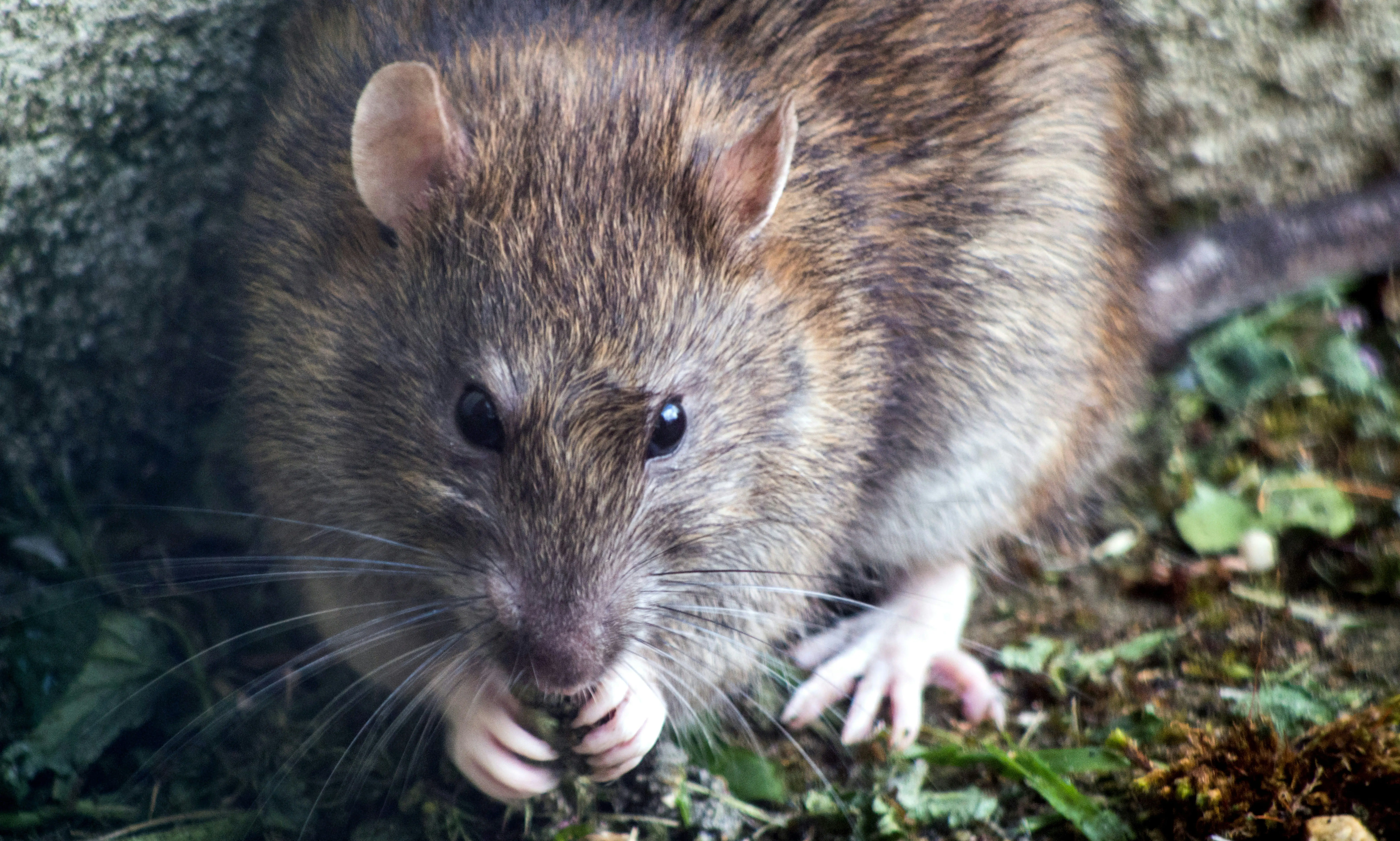
However, bedbugs are not the only pests hoteliers have to deal with. Other hotel pests can include flies, moths, cockroaches, ants and rodents. In order to provide guests a comfortable, pleasant and pest-free experience, hoteliers have to implement pest control strategies as soon as possible.
Listed below are a few ways hoteliers can get rid of pests:
Identify common pests
Hoteliers can start by becoming aware of the most common pests that plague their hotel. Identifying these pests can help the hotel staff to pinpoint the source or reason for the infestation, and how best it should be treated. This in turn allows managers to take measures in a cost effective and timely manner.
As mentioned above some of the most common pests in hotels are cockroaches, bed bugs, rodents, moths and flies. Most of these pests often breed near trash cans, damp or moist places such as kitchens and bathrooms, unclean or unwashed beddings and around organic matter. While it is important to identify the source of the infestation it is also important to identify the type of species, to control them effectively.
Inspect at regular intervals
To avoid an infestation hoteliers have to conduct regular inspections of their rooms and kitchen areas. Monthly checks can help identify any solution before pests become a menace. It also allows managers to check the conditions of the rooms and make any necessary refurbishments.
During an inspection, management should look for any evidence such as droppings, gnawed woodwork, footprints, odour, or live insects. Areas that are affected by dampness or leakage should be thoroughly inspected as they provide habitats for pests like moulds or mildews. Common areas such as kitchens and bathrooms or overlooked areas such as outside walls and window sills should also be checked if they have any holes or vents which could provide easy access for pests such as mice or spiders. Hoteliers should fix any holes immediately.
Staff training
Staff members should be trained in pest identification and management. In order to train staff properly hoteliers can work with professional pest control companies such as The British Pest Control Association (BPCA) that offers online and tutor-led courses for pest management.
While teaching staff about the types of pest, their characteristics, the source and reason for infections, they should also be taught how to carefully handle chemical treatments or pesticides in order to protect both themselves and occupants from exposure from toxic fumes or substances. Staff members should also be assigned roles regarding pest prevention and treatment if an incident occurs. For instance some staff can be responsible to monitor the premises, while some can be trained on how to maintain cleanliness in places that could be hotspots for infestations.
Maintain cleanliness
Eliminating any kind of food supply available to pests is the most important step to keep them away. Housekeeping staff are the first line of defence in this regard and therefore keeping hotel rooms clean is one of the most effective ways to reduce infestations.
Hoteliers can maintain cleanliness in hotel rooms by regularly vacuuming carpets, rugs, and furniture, cleaning up any spills or messes, taking out the garbage daily and regularly checking areas for storing trash. Additionally, the hotel must wash its sheets, pillowcases, and duvet covers weekly. Furnishings such as window ledges, bed frames and cupboards should also be checked as they provide an ideal hiding place for pests.
Use safe pesticides
To eliminate pests, hoteliers have to use pesticides and chemical treatments. However, it is also important to manage these pests without compromising the health of hotel guests and staff. Therefore pest control professionals and hoteliers should look for the best practices for safe pesticide use.
One of the most effective ways to do this is to identify the pest first and design a treatment plan that focuses on preventative measures such as disposing waste properly, cutting food supply for pests and sanitation habits. Hoteliers can also resort to pheromone traps. Additionally, staff should also read the directions carefully before use in order to minimise risks of inhalation or consumption of pesticides.
Collaborate with a professional pest control company
Collaborating with professional pest controllers will help hoteliers effectively manage pests in times. Their experience helps chalk out a treatment plan and identify areas of infestation by checking for droppings or nests.
Once the inspection process is complete they can then either recommend preventative measures or prescribe some sort of medication. Hoteliers can also collaborate with professional tech companies who help monitor insects and pests. For instance Spotta provides monitoring devices for early detection of bedbugs. The device has to be fixed between the mattress and bed frame and contains a pheromone chemical designed to attract the insects. A tiny camera records the bug’s image when it crawls inside, sending it to a central database where artificial intelligence and human judgement combine to identify whether or not it’s a bedbug. The hotel managers are then notified of the infestation via a mobile alert.