






















Register to get free articles
Want unlimited access? View Plans
Already have an account? Sign in
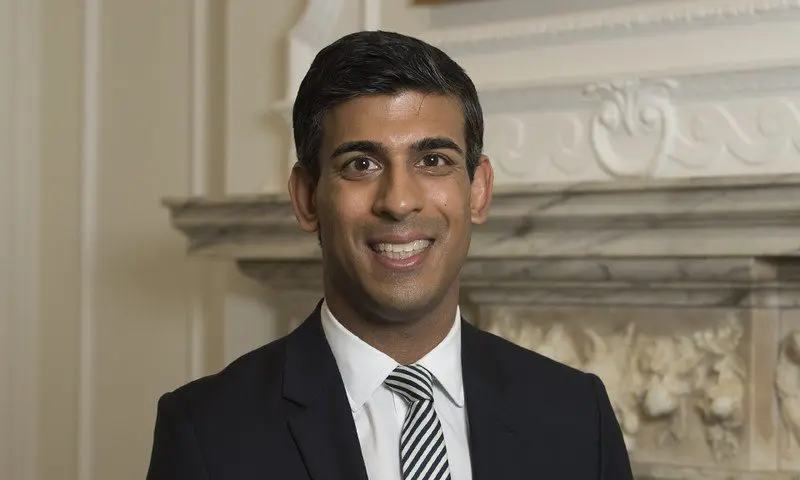
Chancellor Rishi Sunack says he will wean the economy off his support schemes in a “gradual” wind-down, to help prevent soaring unemployment on ‘expiration day’. His announcement, made to MPs, came in response to concerns that a definite cut-off date would produce an explosion in redundancies and layoffs. Currently, the taxpayer is covering up to 80% of the wages of furloughed staff up to a limit of £2,500, to try and protect jobs during the heat of the crisis.
But the government will be keen to get these staff off its books, as around 4 million jobs have been thrown onto the scheme and it is thought it will end up costing the exchequer tens of billions of pounds. The FT reports that Sunak is in discussions with business groups and unions to think about how the scheme can avoid that cliff-edge effect, help companies retain the furloughed staff, and not ultimately mean the furlough scheme was a very expensive way of staving off the inevitable.
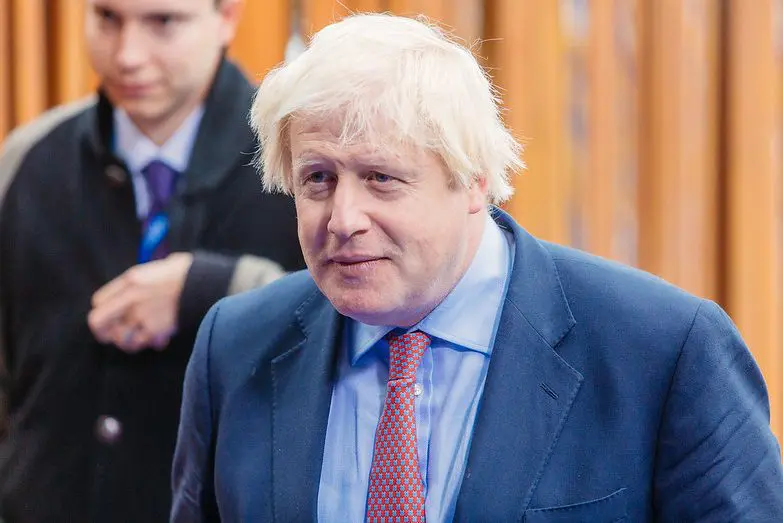
A supplementary story to this comes in the form of the Confederation of British Industry (CBI) asking the government to clarify how and when the lockdown will be lifted. The PM, Boris Johnson, returning to work yesterday said that he “refused” to throw away the effort the public has made locking down. But the business department has reportedly set up working groups with the business world, in factories, warehousing, non-food retail, outdoor, leisure, and offices, to help draw up some official guidelines to advise employers on bringing their staff back to work.
Marks & Spencer has cancelled its 2021 dividend and warned it expects coronavirus disruption to continue right until the end of this year. By stopping the payout to shareholders, the embattled retailer says it will be able to keep £210m on the balance sheet – much needed cash for a high street stalwart that was already struggling pre-pandemic and facing severe challenges amid the lockdown restrictions. It had already cancelled the dividend for this year, saving £130m there as well.
M&S is having an unlucky time for the lockdown for a few reasons that are specific to its model. For one, its food halls, even though they have remained open as essential retail, sell refrigerated goods mainly, and these have a shorter shelf life. It has also had to park plans for £100m of stock purchasing, knowing that the spring and summer clothing seasons were going to be a disaster in the circumstances. There are some silver linings for the chain’s chances of survival though, as it also said that the banks with which it has a £1.1bn overdraft have softened the terms until Q3 2021.
The property market has seized up with £82bn in sales put on hold according to the property website, Zoopla. It is an inevitable side effect both of government advice to postpone moving house, and also social distancing regulations that mean physical viewings, valuations, and surveys are impossible to conduct safely. The website described the market as being in “suspended animation”, but did intimate that perhaps these sales might go through by the end of the year once restrictions ease. Our view is that the depression that looms beyond the initial crisis means buyers might think twice about making their move – nobody knows where the bottom is if prices start falling and negative equity will be a nightmare for those whose jobs may be at risk.
As for new buyers registering on the website simply to search for property, well those figures have fallen by more than two-thirds. Zoopla says this is likely to be reflected in a 50% drop in total home sales for 2020, compared with last year. Estate agencies have got a rough road ahead.
The ventilator scheme involving new manufacturers will partially halt after the need for the breathing apparatus was much lower than expected. There was initially a worldwide scramble to get hold of the specialist intensive care equipment because COVID-19 patients, if they get as far as needing hospital, typically show symptoms of respiratory distress. Consequently, the government had asked industry to submit designs and plans for re-tooling their factories to start producing more of them.
The plan was to boost numbers of ventilators in the NHS from 8,000 to 30,000, but having only reached 10,900, the medical community says the lockdown restrictions and a growing preference for other treatments (ventilation intubation is very invasive for patients) has grown.