











Register to get 1 free article
Reveal the article below by registering for our email newsletter.
Want unlimited access? View Plans
Already have an account? Sign in
While all sectors of the UK’s economy have been affected by the outbreak, the hotel industry has been hit particularly hard during these extraordinary times. The enforced lockdown has inescapably presented a momentous period of adjustment for hoteliers, as guest bookings decline and the majority of establishments across the UK close their doors.
And although the industry has little control over the current situation, it is how hotel owners respond to minimise the negative impact of the present state and, perhaps most importantly, capitalise on the period following the crisis as travel demand rises and bookings increase, that will ultimately determine how fast any given hotel can recover when the pandemic is over.
It is pivotal, therefore, that establishments have an effective plan in place to ensure they can provide the optimum guest experience during the crisis, stay connected to past guests and foster strong brand advocacy, and ultimately effectuate bookings once restrictions are lifted.
Marketing for a brighter future
It is in this regard, that an integrated, Omni-channel communication strategy that considers all phases of the current situation – from times when travel is restricted, to initial tentative bookings following the lockdown, and eventually when demand for hotel bookings strengthens to previous levels – can be fundamental.
Each stage not only requires organisations to engage guests with speed, efficiency and relevancy across myriad marketing channels, but also a tailored approach that considers the mind-set and requirements of guests during each phase. For instance, during the quarantine the focus of marketing will likely be on maintaining a strong brand relationship and re-assuring prospective guests through the appropriate marketing messaging and empathetic tone. While marketing, once travel restrictions are lifted, will inevitably centre on incentivising prospective guests with specialised promotions and driving bookings.
Effectively planning and implementing strategies that consider these customer dynamics, as well as the multitude of channels through which guests prefer to communicate, however, remains a seemingly impassable obstacle for many hoteliers.
Technological innovations
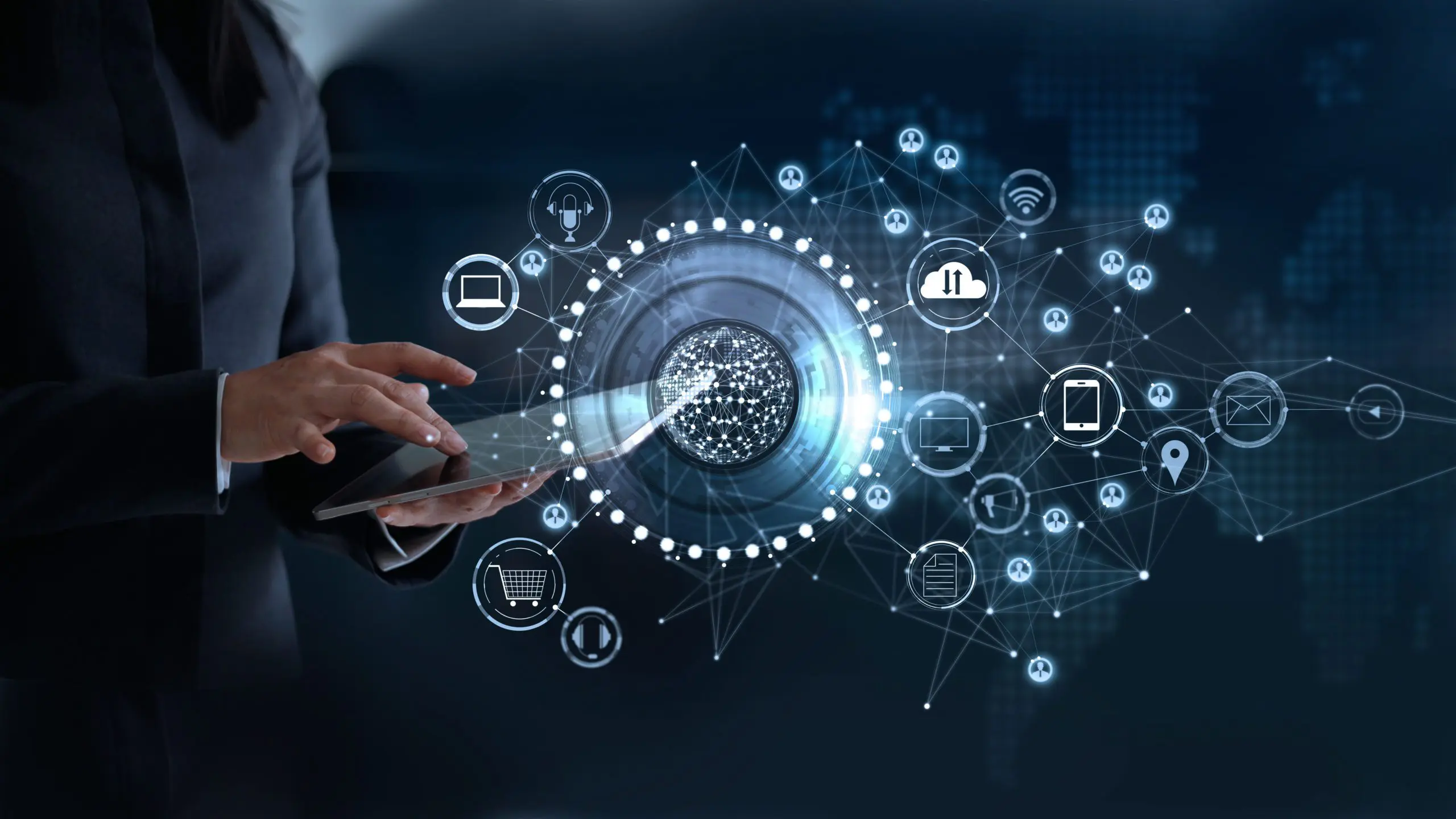
The solution to navigating these complex communication challenges, and reducing any perceived disconnection with prospective guests, often lies in the eco-system of advance marketing technologies that hoteliers now have at their disposal.
Embracing and employing technologies such as artificial intelligence (AI), cloud technology or machine learning in the most appropriate way, when supported with marketing knowledge and expertise, means organisations have the tools required to manage a challenging transitional period and emerge strongest when business returns to some sense of normality.
Not only can they help shape effective Omni-channel communication strategies that benefit from customer-relevant messages, incisive targeting, and customer journey mapping, but also greater cost-efficiencies. Indeed, the critical understanding of customers that can be garnered by carefully and methodically investing in the most appropriate core technologies, can have a positive influence on the operational efficiency and performance of all business areas.
Technology’s ability to effortlessly bring together all aggregated customer data, from disparate systems in different formats and of varying quality, into a single view, can both lead to a better understanding of customers’ unique behaviours, as well as highlighting the channels they prefer to engage on.
Once this is established, businesses can deliver strategies that incorporate communication channels that resonate best with their customer-base, providing a significant competitive edge for hoteliers operating under budget constraints during these times of uncertainty. As soon as businesses understand which channels complement each other, AI technology can seamlessly guide customers towards the required outcome – be that a booking or behaviour change – switching channels automatically based on what it’s learnt.
A trusted partner
For hotel operators looking to prosper in changeable market dynamics, which look likely to continue to evolve in the coming months as restrictions are lifted, the ability to deploy solutions quickly, efficiently and perhaps most crucially cost effectively, can be particularly beneficial.
As guest behaviours change following the lockdown, hoteliers must have the capabilities to seamlessly shift from a crisis-management strategy to one that hones in on revenue and booking opportunities. This often necessitates not only a shift in media priorities, but also layouts and messaging.
This is where working with a knowledgeable and experienced customer communications partner can add particular value. With their support, every aspect from channel selection, to customer profiling, campaign and personalisation can be efficiently planned and implemented, with the ability to learn in real time enabling positive results to be seen quickly.
As a result, organisations can give customers more of what they want and need, at the most appropriate time and via their preferred channel – providing a recipe for success both during the current unusual situation and following the imposed lockdown.