



























Register to get 3 free articles
Register to unlock the article and receive our free newsletter. Join 26,000 other hotel leaders and stay in the know.
Want unlimited access? View Plans
Already have an account? Sign in
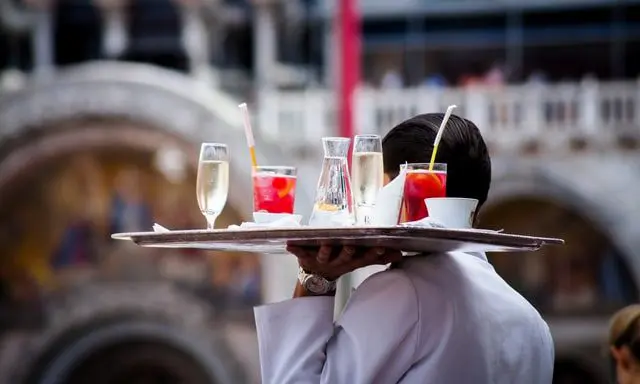
There will not be a spending bounce for the hospitality sector until towards the end of summer, according to EY’s Future Consumer Index for April.
The survey of 1,000 UK consumers revealed a “significant” pent-up demand for hospitality and leisure, how respondents showed hesitancy over returning to restaurants and bars after lockdown.
Some 37% of consumers are planning on spending more on out-of-home recreation, and 43% on a holiday post-pandemic.
However, almost two-thirds of those surveyed (65%) feel uncomfortable going to a bar or pub, up from 52% in October.
Similarly, more than half (57%) feel uncomfortable with eating in a restaurant, up from 37% in October.
Christian Mole, EY UK’s head of Hospitality and Leisure, said: “Pent-up consumer demand will likely lead to an initial increase in activity, but many hospitality and leisure operators may need to prepare for a potential drop-off and then a slower build through the summer.
“We expect to see particularly strong trade for businesses serving domestic travel demand, given the significant consumer appetite for holidays while restrictions on foreign travel remain.”
He added: “Market-wide hotel occupancy data from 2020 showed a significantly above average performance in the summer and early autumn by cities with strong domestic travel demand, such as Inverness, Plymouth and York.
“Conversely, city centres will continue to be affected by the lack of both overseas tourism and business-related hospitality and travel activity.”