
































Register to get 3 free articles
Register to unlock the article and receive our free newsletter. Join 26,000 other hotel leaders and stay in the know.
Want unlimited access? View Plans
Already have an account? Sign in
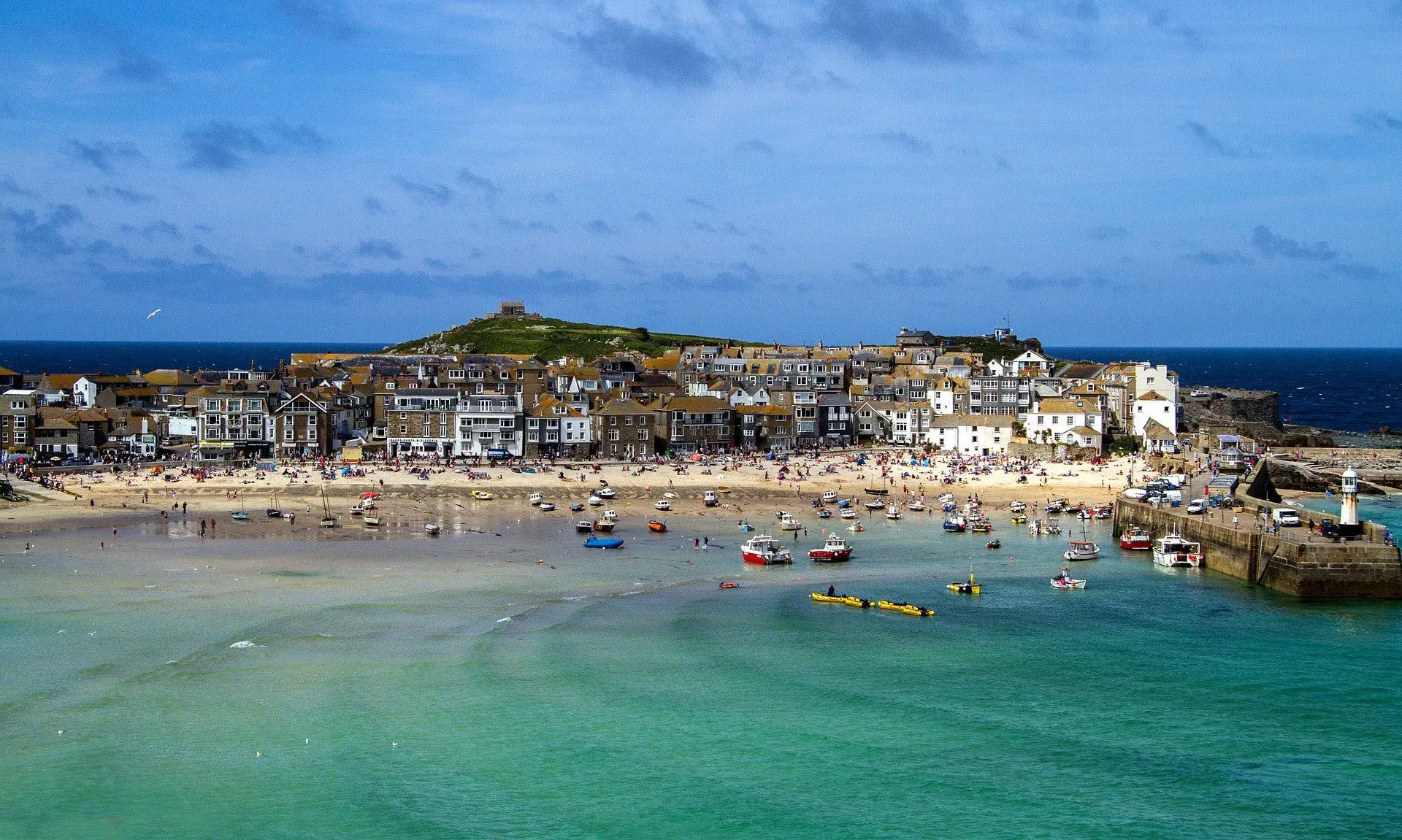
Whilst the UK remains in lockdown, an emerging trend within the hotel industry has risen: staycations.
As international travel remains in limbo, more and more people have been investing in going away domestically. The interest in staycations had led to a whopping 239% rise in August bookings and a 166% rise in July hotel bookings, according to AI booking engine Avivo.
Last year, The Cumberland surveyed over 1,000 people and found that the majority of British holidaymakers prefer to holiday in the UK rather than abroad, with 83% opting for a staycation in recent times. The survey also highlighted that hotels and cottages were the most popular types of accommodation for those holidaying in Britain, at 39% and 31%, respectively.
However, 71% of respondents were intending to plan a UK holiday in 2021, suggesting that “the great British staycation is not just a short term solution to the coronavirus pandemic but a long-term option for holidaymakers and a significant confidence boost for the hospitality sector”, according to The Cumberland.
So, how have big hotel chains dealt with the hospitality surge in the UK?
Combatting staycation rises
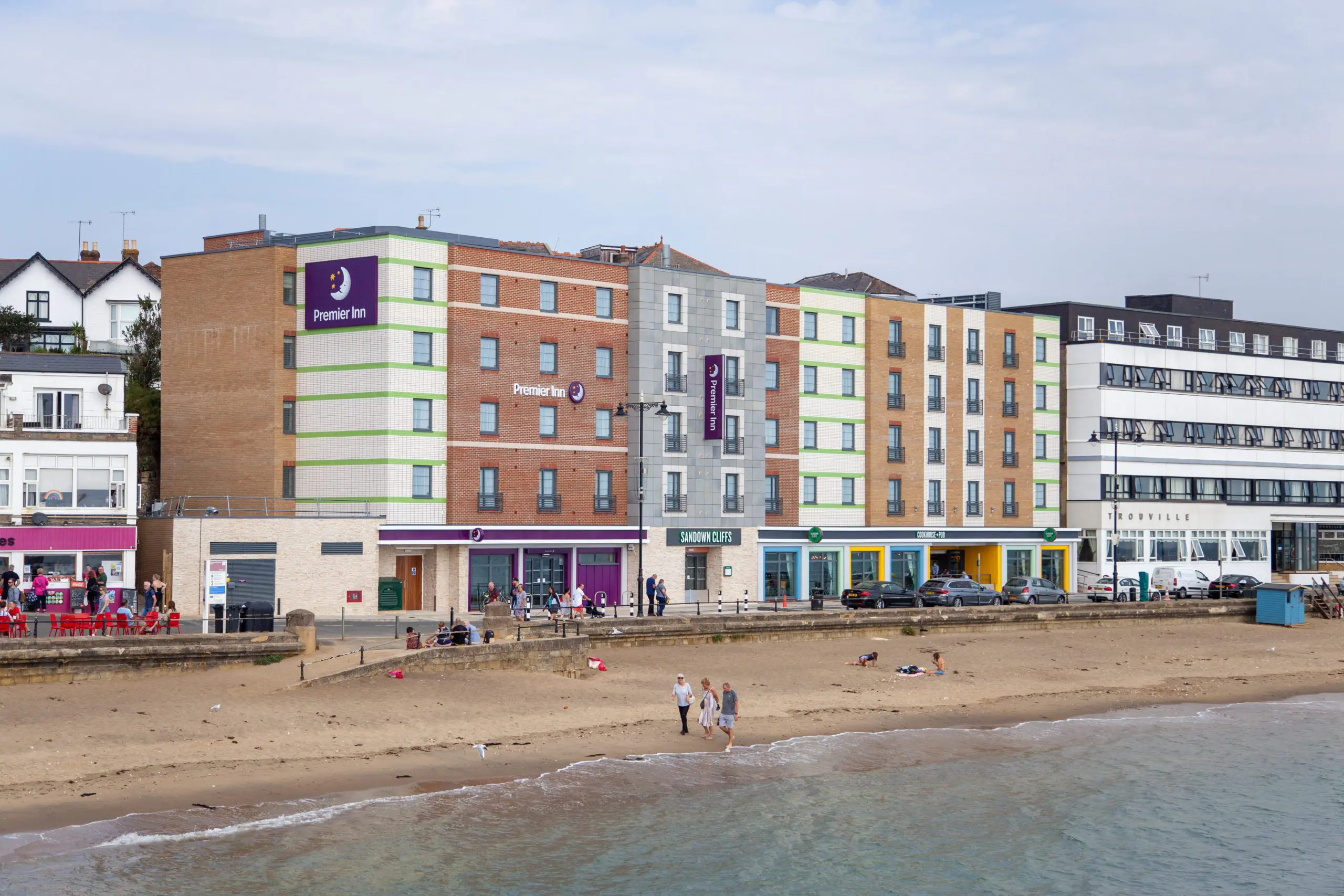
Whitbread, which operates the hotel chain Premier Inn, is planning on opening five new hotels across a variety of seaside locations, among them a 100-bedroom hotel at Sandown Seafront on the Isle of Wight. The group also says it plans to open new hotels in Scarborough, Bournemouth, Blackpool, and Thurso in a phased way during spring and early summer.
Derek Griffin, head of acquisitions, explains that the move into the seaside domestic markets has been a part of the group’s long term strategy “for several years”. He notes that due to the UK market making up roughly 90% of the group’s main businesses despite disruption to international travel, the group can still focus on domestic tourism and its potential for the business.
Although the seaside and leisure locations have been traditionally more exposed to international tourists, Griffin claims that the group can benefit from these locations as a trusted budget brand that has its own specific clientele. He adds that certain types of guests “wouldn’t necessarily look at a location if it didn’t have a branded budget opportunity offered for them” which gives them a competitive advantage.
Secondly, he suggests that when customers come to stay at the hotels they contribute to the local economy through hospitality and leisure expenditures and therefore are welcome in many locations. Furthermore, Griffins explains that the hotel chain has always wanted to expand its network of hotels throughout the United Kingdom from large city centre locations all the way through to smaller sites.
When commenting on whether the expansion into seaside locations would eventually become one of the main streams of revenue, Griffin says he doesn’t believe “it’s an either or scenario”. He explains that the group is always looking for opportunities and that through the company’s own research, he is confident that the current locations are supported by customers wanting to visit them.
He concludes that there are a couple things “currently in the pipeline”, like a new site in Torquay which will join the portfolio soon as well as a hotel in the Lake District which is waiting on planning permission.
A spokesperson from IHG hotels and resorts shares the company’s views on staycations by suggesting that the group is “very much focussed” on growth and has been developing long-term strategies across all of its operating regions so that when an emerging trend such as staycations arises, they are ready. During the peak of the pandemic in 2020, the group anticipated a surge in tourism to seaside locations in Cornwall and opened its first branded property (Holiday Inn Express Bodmin – Victoria Junction UK) there.
Jane Pendlebury, CEO of the Hospitality Professionals Association (HOSPA) which is a non-profit, educationally focused association, says hotels have an opportunity to encourage this year’s guests back again next year. She expects the cities to make “a come-back too” with local and international travellers, although the recovery will be slower than for rural and coastal properties, it will still bounce back, she concludes.
Whilst these were just two examples of major hotel companies, how are the smaller chains dealing with the surge of staycations?
Benefits of staycations for smaller companies
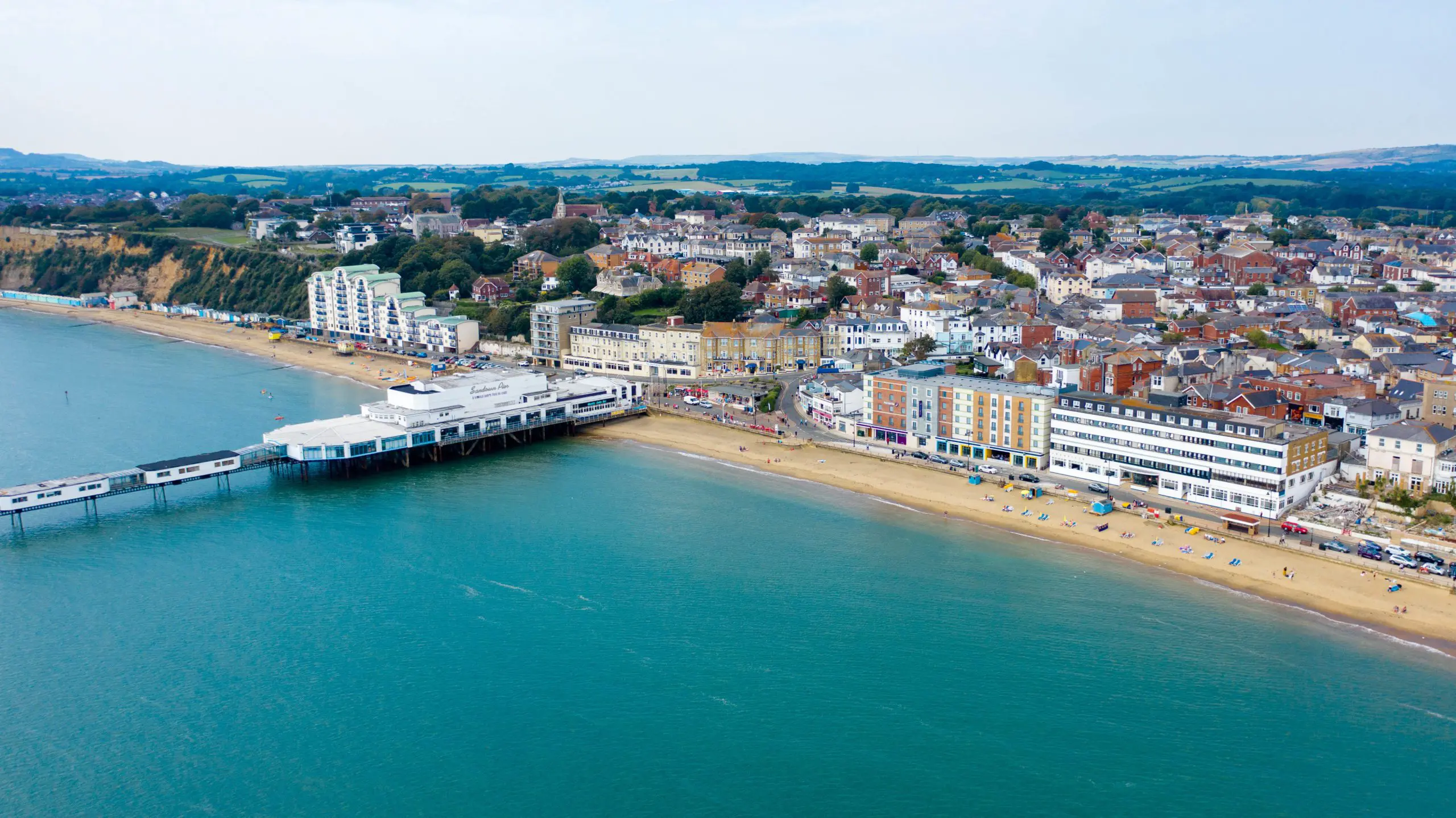
A comparatively small hotel company, Daish’s Holidays has revealed a 495% surge in bookings for spring compared with the same period in 2019. It operates 15 hotels across the UK employing over 400 people, and says demand is “higher than it ever has been for this time of year”.
Autumn and winter bookings for the group are also on the rise compared with 2019, receiving an average 418% increase during the same period in March. Paul Harper, sales and marketing director for the company expresses that the pandemic has accelerated staycations because of the “complexities and complications” around foreign travel. Paul adds that it is “reassuring” to see that the influx of bookings are not just being made for summer, but also from a similar surge for the winter months.
Crerar Hotels has also benefited from staycations, with the group seeing a 130% week-on-week increase in booking revenues. It operates seven hotels across Scotland, and goes on to credit first minister Nicola Sturgeon’s roadmap for bringing Scotland out of lockdown which has boosted staycations as the cause of its 170% increase in online visits.
Additionally, the company’s reservations team says it took more than 1,800 bookings in the days immediately following the Scottish government announcement. Furthermore, the company will continue to invest in its hotels, with a £3m refurbishment under way at the Isle of Mull Hotel & Spa, The Glencoe Inn is also receiving renovations with £500,000 worth of changes in the works.
Chris Wayne-Wills, CEO of Crerar Hotels, concludes: “Our ongoing investment in our hotels in the midst of a pandemic is testament to not only wanting to give our guests the best possible experience as and when they can stay with us; but also, to our appetite to breathe life back into the Scottish tourism industry.
“Now we’ve been given the word, we are ready to open our doors and give guests a quintessentially Scottish experience with low-key luxury at its heart – as well as the freedom to enjoy their stay exactly as they want to – come 26 April.”