






































Register to get 3 free articles
Register to unlock the article and receive our free newsletter. Join 26,000 other hotel leaders and stay in the know.
Want unlimited access? View Plans
Already have an account? Sign in
As the winter months drag on, rats are on the hunt for warm, dry places to shelter, especially those where food and drink sources are plentiful. Unfortunately for hoteliers, this can often result in unwanted guests checking into their premises.
Internal rat activity within commercial premises has risen 30% over the last four years, and with this comes the risk of guests potentially spotting rodent activity. The Business Impact of Pests surveyed over 1,000 decision-makers in businesses, including hotels, and found that pest infestations caused a 15% loss in revenue due to loss of customer trust. Additional findings included the ongoing disruption to business operations, sometimes taking more than two weeks as a further consequence of pest infestations.
Hotels make an attractive target for rats with their multiple entrances, food preparation and storage areas, cosy guest rooms and shared public areas. Environmental Health Officers can issue enforcement notices to business owners, who develop pest problems and don’t have adequate pest management procedures in place, which is why it is imperative that hoteliers stay one step ahead of what is an all-too-common pest problem.
Hotels are increasingly connected hubs of technology, from smart energy management to cardless and keyless guest access. Hoteliers are at the forefront of a seamless, automated future focused on improving customer experience and operational efficiency.
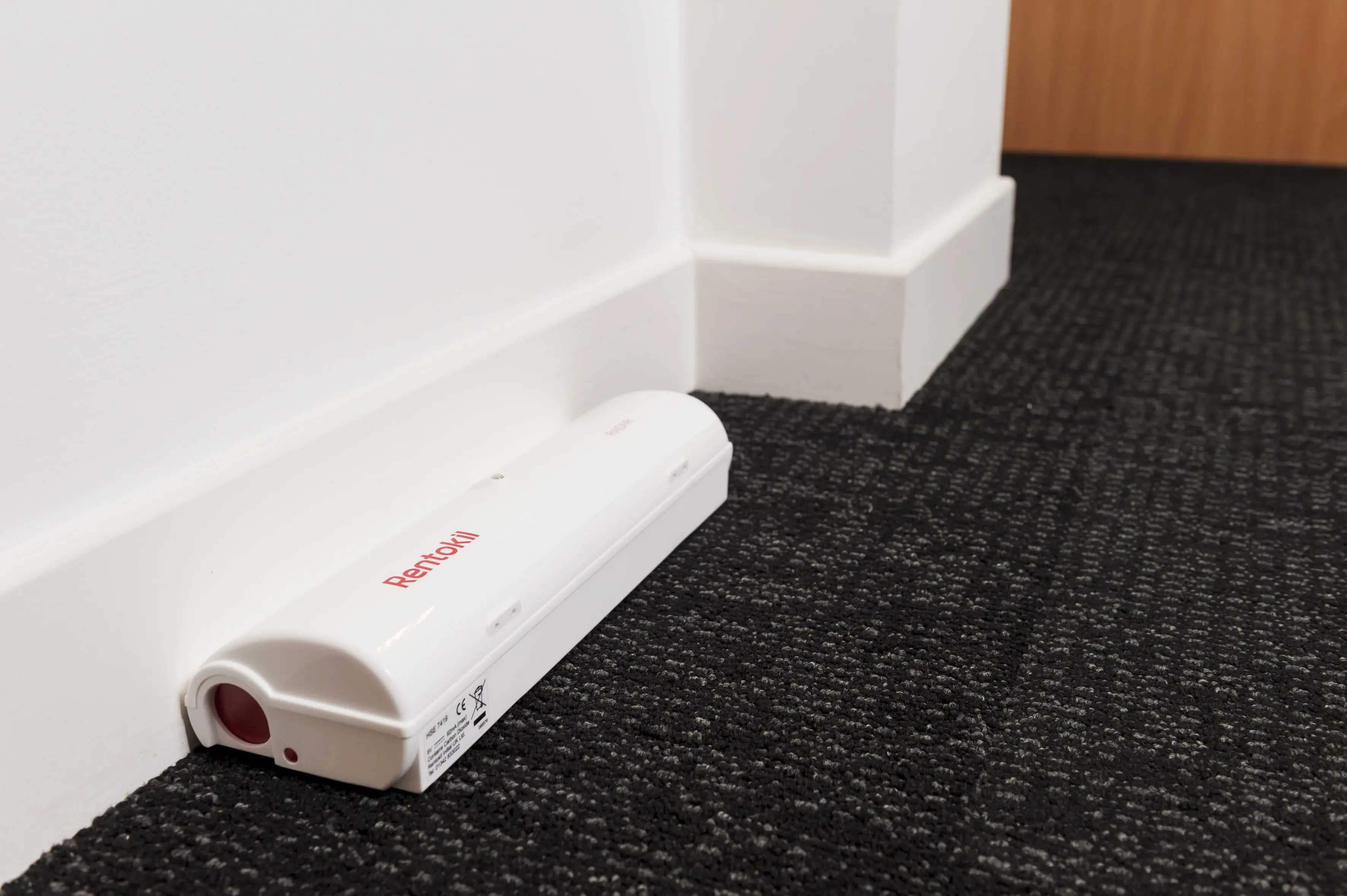
Pest control and monitoring should be no exception, and modern systems such as PestConnect provide 24/7 monitoring and control of rodent pests, which is ideal for keeping activity at bay when hoteliers are not onsite. Unlike conventional rodent traps, PestConnect devices give the earliest possible warning of rodent activity, allowing rodents to be controlled before they breed in large numbers.
If a device is triggered, a technician will be alerted by SMS and will deal with it effectively, providing hoteliers with the peace of mind of around-the-clock protection. Using this technology can also unlock pest data insights for analysis and auditing, which help to give a deeper understanding of their behavioural patterns, and prevent further activity. It also helps to decrease the impact that pest control has on the environment and on non-target creatures, delivering a reduction in rodenticide use of up to 40%.
As well as adopting the right technology, it is also important for hoteliers to be armed with the right knowledge to identify signs of rats. Rats use established routes along skirting boards and walls due to their poor eyesight, so for instance, you may initially notice grease marks where rodents are brushing up against your walls and surfaces. Although these marks may indicate rodent activity, smears may remain for a long period of time, so they are not always a good gauge of an active infestation.
To identify an active infestation, check less-used areas of the premises for tracks from their paws, such as air conditioning ducts, cellars and attic spaces. By shining a strong flashlight at a low angle you can reveal the tracks clearly. Once identified, you should then sprinkle fine flour or talc along a small stretch of floor near the footprints and check for fresh tracks the next day.
Other indications of rat activity include nests, droppings, holes and gnawing, which are also most likely to be out of sight in areas where rats can live undisturbed. If any of these telltale signs are present, then pest control experts should be called in to swiftly deal with the problem before it gets out of hand.
Hoteliers should use professional pest controllers to ensure legal compliance and effective control, helping to protect your brand reputation. Whether an infestation has recently occurred or they are simply looking to help prevent one in the first instance, it is important to access expert help to gain a better understanding of the best approach to take.