































Register to get 3 free articles
Register to unlock the article and receive our free newsletter. Join 26,000 other hotel leaders and stay in the know.
Want unlimited access? View Plans
Already have an account? Sign in
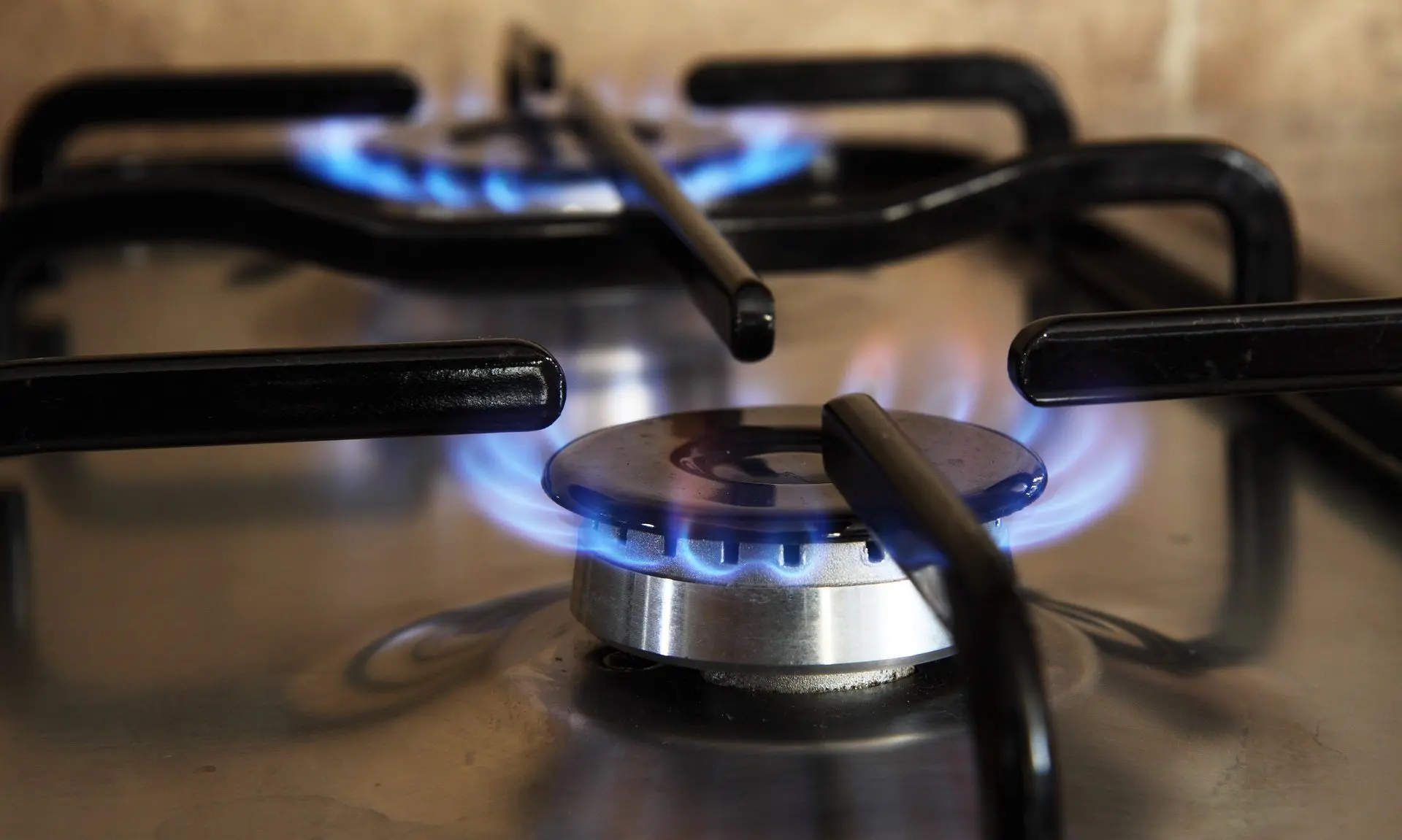
Recent analysis conducted by UKHospitality shows that energy costs for the hospitality sector are set to be £12bn higher than prior to the energy crisis.
The government is set to introduce the Energy Bill Discount Scheme from tomorrow (1 April) which will replace the current Energy Bill Relief Scheme while providing discounts to eligible non-domestic businesses.
But concerns have been raised surrounding the funding of the scheme which will be capped at £5.5bn.
In addition, the hospitality trading body argues that the scheme greatly reduces the support available to businesses. In fact, one of its recent surveys shows that the hospitality sector will face £7.3bn in increased energy bills.
Therefore UKHospitality is urging Ofgem to step in and sanction the energy suppliers behind the rising costs.
Chief executive Kate Nicholls said: “A £12bn increase in energy costs in a year is almost incomprehensible and, frankly, unsustainable for much longer. The transition to a continued, but significantly reduced, energy support scheme does not provide much comfort for anyone, especially with the £7.3bn price tag it comes with.
“It’s clear to everyone that a driver of these rocketing costs has been some suppliers that have seen this crisis as an opportunity to boost their bottom line, at the expense of hard-working hospitality venues.”