







































Register to get 3 free articles
Register to unlock the article and receive our free newsletter. Join 26,000 other hotel leaders and stay in the know.
Want unlimited access? View Plans
Already have an account? Sign in
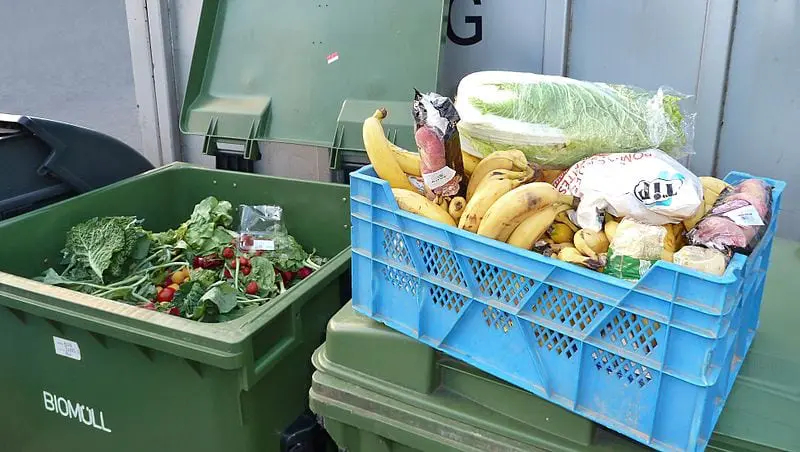
There has been a rising awareness in the amount of food that is wasted across the world, and most customers are unhappy to see such behaviour. With the responsibility of reducing food waste spotlighted on the hospitality sector in particular, it’s crucial that hotels and restaurants manage their food waste correctly.
Wrap revealed the amount of waste created by Britain’s hospitality sector reaches a staggering 2 million tonnes a year. In particular, the waste comes from:
- Hotels — produce 289,700 tonne of waste each year, including 79,000 tonnes of food waste (9% total food waste from the sector).
- Pubs — produce 873,800 tonnes of waste each year, including 173,000 tonnes of food waste (19% total food waste from the sector).
- Restaurants — produce 915,400 tonnes of waste each year, including 199,100 tonnes of food waste (22% total food waste from the sector).
- Other hospitality sectors’ food waste contributions: quick service restaurants (8.3%), staff catering (2%), leisure (7%), services (3%), healthcare (13%) and education (13%).
It’s a problem across the world too. The National reported on the issue of food waste in Dubai, with the problem being particularly fuelled by hotels and restaurants wasting ingredients on over-the-top portions.
Al-Monitor revealed how supermarkets in Egypt are struggling to cope with the amount of produce they have compared to the storage available to them, resulting in 20% of stock being wasted. The news outlet also reported that, like in Dubai, the issue of food wastage from hotels and restaurants is also particularly problematic in Egypt. Buffet-style offerings can reuse and recycle food not taken, but many customers “have the habit of piling their plates”, says Egyptian Food Bank CEO, Moez El Shohdi. Anything uneaten on the plate goes in the bin.
How is the problem being dealt with? We asked leading skip hire and waste management experts Reconomy, to investigate the various processes that are being implemented throughout the hospitality sector to tackle waste heading to the landfill.
Reuse instead of refuse
Pub chain JD Wetherspoons have joined up with a food redistribution charity named FareShare. SHD Logistics reported on the matter, saying that the food donated by the pub chain is surplus after a recent menu shake-up, or food that has had its outer cases damaged. While not problematic for the food itself, it isn’t cost-effective to make it commercial-viable again.
Finding a use for food, instead of throwing it onto the landfill, is a popular method of combating food waste. The Real Junk Food Project is a UK-based global movement with the goal to “abolish surplus food. This is achieved by intercepting food waste from a variety of places, such as hotels and restaurants, and using it as ingredient to prepare and serve in its many cafés and pop-up stalls across the country.
The Real Junk Food Project also runs a “Pay As You Feel” scheme – basically, you pay what you want. You can part with your money, or your time by helping as a volunteer if you want to. The aim is to make sure everyone has access to a meal, which everyone could, if this usable food doesn’t go to landfill.
The scheme has been so successful that the project has even opened share houses to deal with their influx of food stock; people can take what they want from these sharehouses to use at home. Again, customers pay nothing or something, money or time.
It’s an idea that is spreading across the world. Over in New Zealand, Nic Loosley has opened a Pay As You Feel restaurant called Everybody Eats, where visitors can enjoy a three-course meal prepared from food headed to landfills. The food would only have gone to waste otherwise and is better used to help feed those who might not be able to enjoy a meal otherwise. According to Loosely, around a third of people do leave money for the meals.
Do it yourself
Using local produce has always been a hit among consumers, so why not make it even bring home-grown even closer to home? Forbes revealed some of the ways the eco-hotel and spa, Six Senses, maintains luxury with sustainability. From villas built to stay cool, to air conditioning that turns off if the doors are opened, Six Senses have thought of everything when it comes to embracing balance.
The hotel has a garden area which is used to grow fresh ingredients for their kitchens. The garden is tended to without synthetic chemicals and is fed with recycled water. Any hotel or restaurant with the capacity to do so should look into planting a garden for its kitchen use, even if it is just a small herb garden — any small change can reduce the need potentially over-purchase from a supplier.
Six Senses supplies still and sparkling water in eco-friendly, reusable glass bottles, but they’ve taken a step further. The company actually treats, purifies, and mineralises its own water.
Beyond food waste
Sadly, food waste is only part of the issue. BRITA UK conducted a study, titled The Planet Around You: How Hospitality Businesses Are Addressing The Sustainability Challenge. In the publication, it was noted that 70% of businesses are currently looking to cut down on single-use plastics, like straws and water bottles. Plus, 64% of consumers said they would likely return to a shop with the intent of making a purchase, if they could refill their water bottle.
Martha Wardrop, Green councillor, spoke to the Evening Times regarding the idea of refillable water bottle stations: “[There is a] need to help turn the harmful tide of plastic waste and little from single-use plastic bottles,” she said, “which is damaging the marine environment and blighting our streets.”
The councillor went on to say that pubs and cafes could do their part by offering free drinking water to everyone, not only customers, by signing up to an initiative such as Refill.
Of course, plastic isn’t just used for bottles. USAToday revealed steps a number of hotels are taking in an active attempt to lower the use of plastic. From the Hilton vowing to remove all plastic straws from its hotels by the end of 2018, to the Marriott replacing the individually offered toiletries with reusable dispensers, no one is resting on their laurels.
Taking a look at airlines, United Airlines recycled 13 million pounds of plastic and other materials in 2016, and Alaska Airlines are currently in the process of replacing plastic stirring sticks with white birch stirrers. Over in the fast food sector, McDonald’s have chosen to remove plastic straws from use at their restaurants.
Does your hotel use a lot of plastic utensils? Could you find ways to use non-plastic alternatives?
More than 40% of hospitality businesses want more information about being environmentally friendly, says BRITA UK. If you are one of these businesses, reach out to Reconomy for advice. Could you offer water refills, or switch out plastic single-use bottles to alternatives? What can you do today to avoid leaving a mark on landfills?
Article provided by Reconomy, which helps thousands of companies and organisations to recycle, process or dispose of every category of waste in a responsible, sustainable and cost effective way.