





































Register to get 3 free articles
Register to unlock the article and receive our free newsletter. Join 26,000 other hotel leaders and stay in the know.
Want unlimited access? View Plans
Already have an account? Sign in
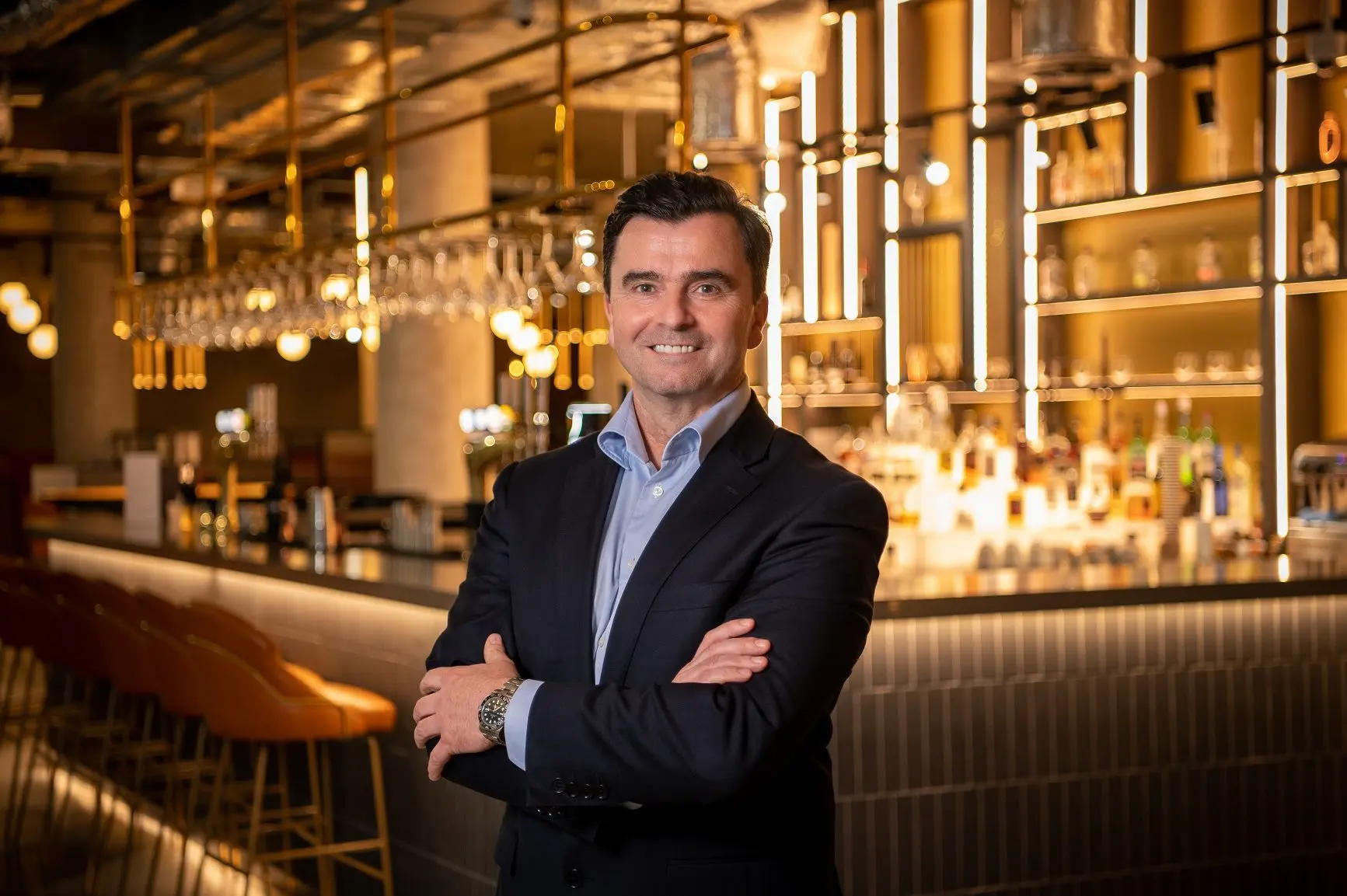
“I think because we focus on the basics, consumers recognise that and reward us for paying the right price, for the right product and not for things that they don’t need,” says Karim Malak, CEO of Easyhotel.
The budget hotel sector has seen major growth in the last few years as people either cut back on luxuries or want less luxury from their hotel stays.
In 2022, Easyhotel’s RevPAR was up 56% and its market share increased showing strength of the budget model in the current climate.
While Covid was devastating for the hotel industry, with many companies still trying to recover, it was less devastating for the budget sector as those who had to stay in a hotel prioritised the essentials over luxury, something the budget sector specialises in.
“The budget sector was, I think, the sector that felt it did the best during the Covid period because it attracted workers that had to move, that needed [budget] accommodation as opposed to luxury or midscale, etc. On our side at Easyhotel we were out of Covid by February last year, and we were hitting 2019 figures by April 2022,” Malak explains.
This trend has continued during the cost of living crisis. It is still a bad time for the hotel industry but like during Covid, the budget sector is best equipped to thrive during times when money is tight.
“We see an increasing number of consumers who are trading down from midscale hotels or luxury hotels to economy hotels. So that’s one aspect. The other aspect in which I really like to focus on is that in times of cost of living crisis, you want to spend on what is really important.
“So if you go to say Brussels, it might be that you want to visit the museums there and you want to buy chocolate and you don’t want to spend your day and your money on the hotel. If you’re going to Liverpool for a football game you want to spend your money on the tickets for the game and not for the hotel. So that’s what we’re all about. We’re a hotel that actually in a way pushes clients outside. We want people to explore the city, not to explore the hotel,” Malak states.
This growth is something that Malak sees continuing into the summer, a summer which will be heavily dictated by the current economic challenges facing everybody.
“The outlook is good. We have more business on the books than we had last year at the same period. The UK is not growing very fast, but is still on a very high basis, so no worries there and Europe is increasing. So I’m very optimistic about the summer.
“That is even without some international consumers who haven’t returned yet. So when you talk about Chinese guests, that was a big chunk of business in 2019, not necessarily for us, but for the industry in general and they still haven’t returned and probably won’t be returning in the same numbers as they were in 2022.”
Back to basics
It is the idea of simplicity and solid basics that Malak believes is the main strength of the budget sector and something that companies in the hotel industry should be prioritising to improve their own offerings.
“There’s been a tendency in the past years, especially before Covid, that the hotel industry was all about luxury, and boutique hotels. I’m not saying it’s a bad thing, there is probably space for everyone, but there has been snobbery with respect to budget hotels, or affordable hotels and what the past 12 months have proven to us is that it’s actually a very good segment, not only for consumers, as we’re seeing increased bookings all over the place.
“So consumers are seeing value in the budget sector, but owners are also seeing value there. The budget sector, as an asset class, is garnering increased interest from investors and hedge fund managers, and we’re seeing a lot of transactions in this space,” Malak adds.
Malak also believes that budget is where hoteliers should be looking to grow their business rather than trying to overdo it on luxury offerings, especially for those with hotels in major cities.
He notes: “What I like about affordable hotels, specifically, is two things.One is that they’re intrinsically low carbon, because you use less resources to build them and to operate them. We’ve done a study and found that we’re 20% less carbon intensive than our competitors who in turn are much less intensive than other four star or five star hotels. I also like it from an operational perspective as it’s a simple model.
“You avoid the complexity of having restaurants, providing three meals a day, providing meeting rooms, etc, which means you have more staff,and it is more difficult to operate. So I think from an owner point of view and from a franchisee point of view, it makes a lot of sense.”
Budget is the future
Malak thinks that the future for the budget sector looks bright. Easyhotel is focused on expansion, it aims to reach 100 hotels by 2026, introducing 51 owned and franchised hotels in 13 different countries in the next 18 months, which is not something that can be said for other sectors of the industry.
“All of the major players in the [budget] sector, whether in the UK or in continental Europe are talking about expansion. So I would say there’ll be some level of consolidation in the next three, four years. Amongst the bigger players we might see, the Accor’s and the IGHs of the world, refocused on the budget sector and they might want to acquire some of the current budget chains.
“I would also say that the industry as a whole has not cracked the code on a new breed of midscale hotels, and therefore I think that the winners there will be either budget hotels or boutique hotels and luxury hotels.”