



































Register to get 3 free articles
Register to unlock the article and receive our free newsletter. Join 26,000 other hotel leaders and stay in the know.
Want unlimited access? View Plans
Already have an account? Sign in
The travel and tourism industry has undergone a reawakening. The latest forecasts project 37.5 million visits to the UK over the course of 2023 — a resounding 92% of pre-2019 levels. At this rate, the industry is on track to return to full health by the end of 2024.
Yet, while visitor numbers are returning to normal, guests are still feeling somewhat green. Not due to illness, but rather due to the rising demand for sustainable holidays. Three-quarters of vacationers now believe people need to make more eco-conscious choices to save the planet for future generations.
Hoteliers find themselves at a pivotal crossroads where innovation and sustainability are merging to carve a path toward a responsible and revitalised future. Subsequently, the hotel industry must reinvent itself, partly through creative refurbishment and renovation, to continue attracting this renewed wave of enthusiastic holidaymakers.
Reflecting the large-scale shifts in the broader hospitality industry, the importance of a hotel’s environmental impact has grown significantly. In 2023, a notable 69% of holidaymakers are actively seeking out sustainable travel options. This trend has prompted hoteliers to place an increasing emphasis on taking responsibility for the environmental impacts of their establishments.
Not all renovation projects can be made entirely green; the construction, excavation and demolition sectors create 62% of the UK’s waste, and it is inevitable that any building project that a hotel engages in will add to the rubble in some way. Hoteliers must factor this in, along with energy use and local ecosystem disruption during renovations.
Where possible, hotel owners should look to refurbish hotels rather than rebuild them from the ground up, reducing the carbon footprint from renovation, while incorporating environmentally friendly aspects into a hotel’s structure.
Indeed, it has been shown that 75% of millennials and Gen Z prefer sustainable businesses and are willing to pay more for them.
However, achieving eco-efficiency doesn’t necessarily require environmentally costly renovations. At Burgh Island, a significant amount of produce is sourced from Burgh’s onsite garden to reduce emissions. Moreover, implementing solar panels on underused land, using our own borehole for cleaning water and irrigation, training all staff in energy awareness, and working alongside the carbon trust has contributed to Burgh being awarded Gold by the Green Tourism movement and the Gold Award by the Green Apple Organisation for conservation.
In addition, expansion and development are important tools to help hotels adapt and thrive, but new buildings need to minimise their impact on the environment, both during and after construction. This means that any development work, once completed, should not disrupt the visual landscape whose beauty is such a key selling-point for many hotels. At Burgh Island, for instance, our upcoming renovation plans include the construction of an earth shelter – a highly energy-efficient structure designed to naturally regulate its temperature in accordance with the changing seasons. These homes are built into the ground – much like a hobbit-hole – and are not just environmentally viable, but increase available space.
Whilst not all hotels have the room or independence to get creative in their approach to development, this demonstrates how hotels can align themselves with environmentally conscious practices while establishing a distinctive and captivating guest attraction.
Factoring today’s sustainability concerns into a setting preserved from yesteryear is, for historic hotels, a particularly vexing issue, but one that hoteliers simply must face when investing in their future.
Thankfully, there are multiple ways of optimising energy efficiency that do not disrupt the status quo of a building’s beloved historical features. New innovations are increasingly designed not to impinge on the old-fashioned design features that give many hotels their character. Run-around coil heat exchangers, for instance, use excess heat generated in the kitchen to keep dining areas warm, while traditional oil heating systems can be future-proofed to increase options for further energy efficient modification. These steps can help uphold a hotel’s long-term vision without compromising on its long-held aesthetic quality.
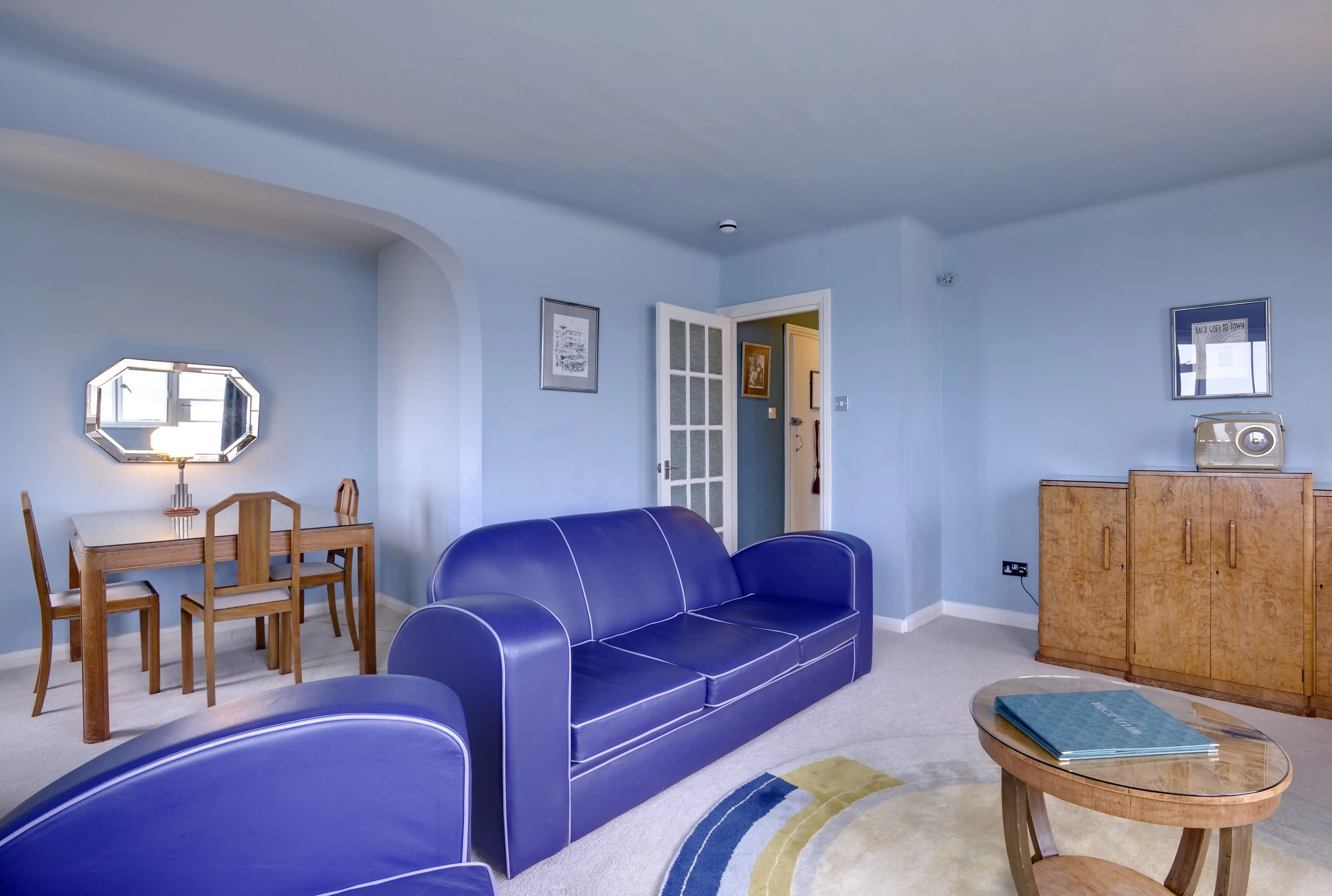
Furthermore, salvaging and integrating older materials reduces waste and adds a historic charm. Reclaimed wood, antique fixtures, and repurposed furniture can be used to create a warm and appealing atmosphere, bringing a unique character and history that enriches the hotel’s narrative and guest experience. For instance, Burgh Island’s Nettlefold Restaurant incorporates the captain’s cabin from the HMS Ganges, initially added to the hotel in the 1930s to offer guests a nostalgic journey into the nautical past of England.
As sustainability becomes increasingly integral to the hospitality industry, the need for hotels to assess their environmental impact is paramount. Ultimately, renovations are a pivotal investment for establishments hoping to elevate guest satisfaction and align with the evolving demands of eco-conscious travellers — but hoteliers must proceed with caution.