







































Register to get 3 free articles
Register to unlock the article and receive our free newsletter. Join 26,000 other hotel leaders and stay in the know.
Want unlimited access? View Plans
Already have an account? Sign in
The way we work and shop is changing dramatically, but for those in the hotel industry, these changes provide opportunities. The plight of retail has been well documented over recent years, with research indicating ‘terminal decline’ for Britain’s high streets.
In a similar vein, as much as 85% of UK office buildings are at high risk of being unlettable due to EPC regulations that have been proposed to be implemented in 2027.
Increasingly, commercial property owners are seeing hospitality as an alternative use for their existing buildings. For many hotel chains, adaptive reuse looks set to become an important part of their supply chain – and for good reason.
The adage in the industry is that ‘the greenest building is the one that already exists’ and with considerations around embodied carbon becoming increasingly important in efforts to combat climate change, repurposing existing buildings just makes sense.
It can also transform a community – attracting investment, stimulating economic activity, creating jobs, increasing property values and boosting local businesses. Rescuing a heritage building from neglect or destruction can also maintain a community’s historical identity, character and pride.
It makes financial sense when done right, but what are the key economic factors to consider for financial viability?
Know your building
Some buildings undoubtedly lend themselves to a hospitality conversion more easily than others. While it may be possible to add additional floors for restaurant and amenity space in some, it simply won’t work in others. While some buildings make it easy to break the building into smaller spaces for bedrooms, others do not. Being able to extract maximum value from the asset to make the most of the economic opportunity means understanding what is – or isn’t – possible for your building from the start.
In a new-build situation, data is easy to obtain with feasibility studies, indications and valuations at your fingertips. But with adaptive reuse, the full story of the building doesn’t always reveal itself until further into the project.
Contingency planning becomes even more essential to reassure lenders as older – particularly historical buildings – often bring surprises.
Consider the footprint of your building to ascertain if it will lend itself to hospitality. Is it possible to put a corridor down the building, with bedrooms off either side? Is there enough natural light? What are the windows like? Are there enough? A regular footprint will make the conversion easier, but with quirkier buildings you may also need land adjacent to add bedroom blocks for increasing guest numbers. Department stores can be a promising project, but you’ll need to think carefully about how to bring natural light into the building, especially as they are often sandwiched between other high street buildings.
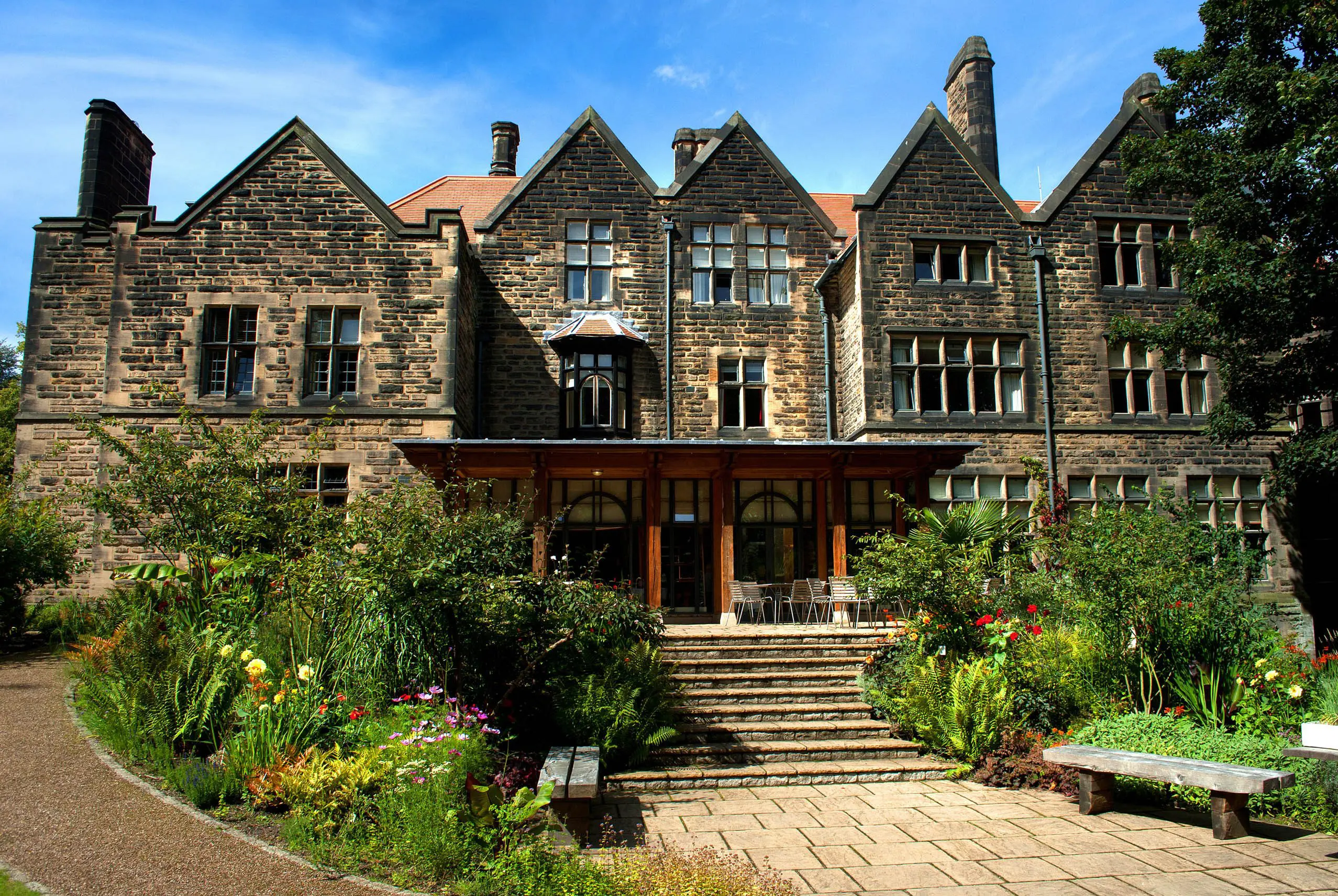
Shopping centres can be appealing if you’re able to build upwards. Heritage buildings come with a richer narrative which will add to the guest experience, but you may struggle with room numbers. Each building needs to be considered on its own merits.
Know your market
The building’s location is unchangeable, so careful selection is vital. In London, the hotel sector is strong, but in secondary cities, location choice is critical and there are cities where adaptive reuse just won’t work.
Also, think about whether preserving the building’s DNA aligns with your target market; maintaining a listed building may not be worthwhile for a budget hotel, but heritage charm can appeal to guests seeking unique experiences.
Adaptive reuse will often need flexibility in brand standards as each building presents its own individual challenges and opportunities. A one size fits all approach doesn’t work here.
Know your hurdles
It would be naïve to assume that adaptive reuse doesn’t also come with a different set of hurdles – regulations, financing issues, and potential conflicts over the choice of reuse are all common problems. Effective planning and collaboration between stakeholders can go a long way to mitigating these issues, but they do exist.
The biggest restraint on developments right now is the fact that local authorities are taking too long to respond. According to a recent report by the UK government, in Q2 2023, only 20% of major planning applications were decided within the statutory period of 13 weeks. This obviously adds additional stresses to a project and may require contingency planning to calm nervous investors.
Additionally, meeting ESG standards in adaptive reuse can be complex. Integrating renewable energy into older buildings is often challenging. Older properties may have outdated infrastructure, building materials, and structural deficiencies, requiring costly renovations to meet modern environmental and safety standards. Retrofitting for energy efficiency, water conservation, and sustainability is complex and expensive.
While the cost of bringing those buildings up to current standards may have prompted their change in use in the first place, it is essential to remember that you are merely inheriting the same problems.
But that’s not to say it can’t be done! With careful planning, due diligence and a realistic assessment of market demands and costs, adaptive reuse from commercial property into hospitality can be a rewarding project with financial, social and environmental rewards. Adaptive reuse is a strategy that is here to stay, and it is the only sensible way forward.