



























Register to get 3 free articles
Register to unlock the article and receive our free newsletter. Join 26,000 other hotel leaders and stay in the know.
Want unlimited access? View Plans
Already have an account? Sign in
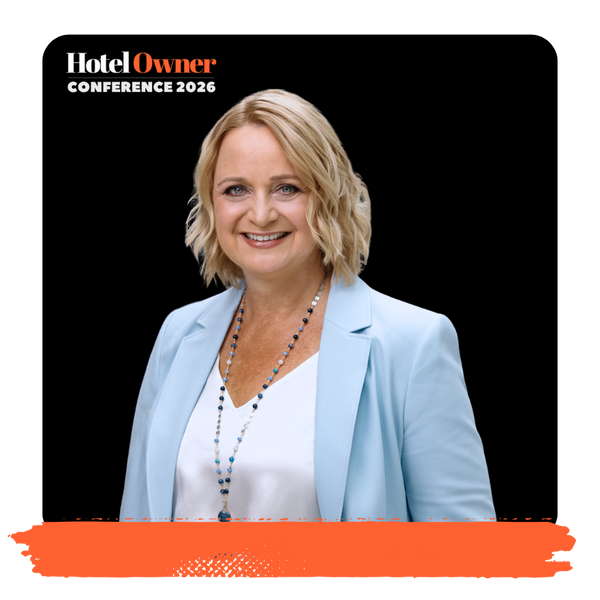
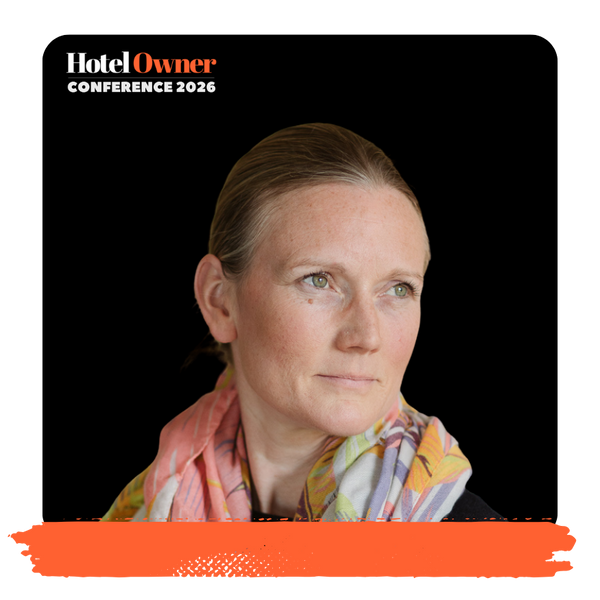
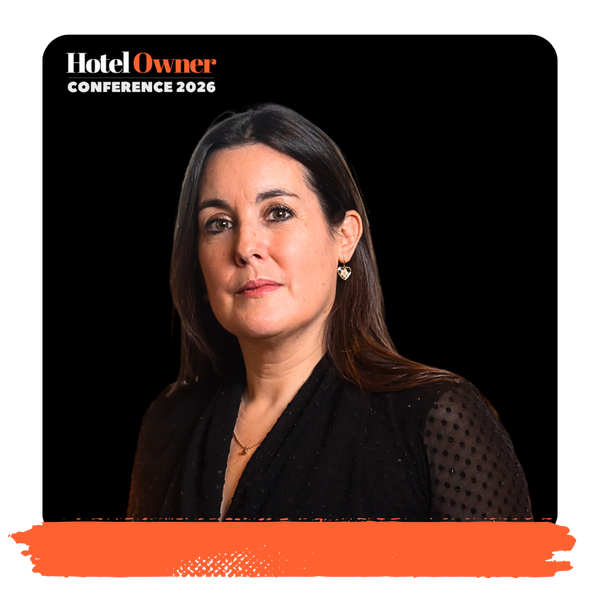
In the ever-evolving world of hotel management, Louisa Green, managing director of RBH Hospitality Management, is proof that a hands-on approach and an understanding of operations from the ground up can be key drivers of success. Green has built a career by delving into every role she’s taken on, rising from a general manager to overseeing multiple properties and clusters, and now to the helm of one of the UK’s leading third-party hospitality management companies. Her journey reveals an industry leader who believes deeply in both the people she works with and the potential of the hotel industry to thrive amid changing markets and guest expectations.
Falling into Hospitality and Finding a Path to Leadership
Green’s journey into hospitality was less a calling and more a leap of faith. “I fell into it,” she says of her early days, noting that at the end of her A-levels, she was uncertain about which career path to take. Encouraged by her mother to consider hotels or tourism, Green went on to study hospitality at university, a choice that would shape her entire professional life. “I went off to university, studied it, loved it,” Green recalls, and once she stepped into the hotel world, she “never looked back.”
After a graduate training programme with Forte Hotels, Green quickly advanced, reaching the role of general manager by the age of 30—a significant achievement in an industry where experience and resilience are critical. She remembers wondering how she would balance a demanding career with a family. “I can remember when I was an operations manager, thinking how on earth do female general managers in this industry manage to have a family at the same time as doing this job?” Green says. Yet, she found ways to navigate this challenge, recognising the importance of perseverance and creative problem-solving in hospitality.
From General Manager to Cluster Leader: Learning to Lead Through Influence
For Green, moving from general manager roles to overseeing clusters of hotels represented a major career turning point. This shift required her to step back from the day-to-day decision-making she was used to and focus instead on supporting and influencing other general managers. “You’ve got to be very respectful for the job that they’re doing. You’re not in control of the hotels that they’re managing; they are,” Green explains, highlighting the need for humility and adaptability when transitioning to a more advisory role.
The role involved balancing direct leadership with collaboration. “You have to understand the individual teams you’re working with,” Green says, noting that each general manager had their own approach to hotel operations. Her role was to offer guidance and support without imposing a rigid style, respecting each manager’s autonomy while ensuring alignment with the broader objectives.
Embracing RBH’s Unique Culture and Rising to Managing Director
After years of working with global brands like IHG and opening hotels across diverse markets, Green was approached by RBH, a third-party management services company that operates both branded and independent hotels across the UK. She joined as an operations director, a role that involved overseeing performance and supporting general managers in delivering the best results for hotel owners.
Green was drawn to RBH not only for its professional opportunities but also for its distinctive company culture. “The culture is incredible. Everybody is treated respectfully. Everybody has a voice,” she explains, adding that RBH fosters a family-like atmosphere where employees feel valued and included. This supportive environment, she says, contributed to her decision to aim for the managing director role when the position opened.
Her appointment was finalised in March, and Green quickly shifted her focus from operations to long-term strategy. “What can we do that will make [RBH] even better?” she asked herself in her first few months on the job. Recognising the need for data-driven insights, Green is now building an analytical team within RBH, whose role will be to identify trends, opportunities, and ways to enhance operational efficiencies. “We want some people that are just dedicated to doing that,” she says, explaining that the insights generated will allow RBH to make more informed strategic decisions across its portfolio.
Navigating Brand Relationships and Embracing Franchises
A significant part of Green’s work involves managing RBH’s relationships with major hotel brands, from Hilton and Marriott to IHG and Accor. Each brand comes with its own set of standards and expectations, which require Green and her team to remain agile and knowledgeable. To streamline this process, RBH has appointed a brand performance director, tasked with ensuring that each property aligns with brand guidelines and makes optimal use of the resources each brand provides. “We’ve got a commercial team in RBH, we’ve got an operating team…[and] someone who absolutely knows every single brand,” Green explains.
These partnerships are mutually beneficial, with brands and RBH working closely to maximise each hotel’s potential. “Brands have come along an awful long way with regard to franchisee hotels,” Green says. She highlights the close collaboration that goes into achieving the shared goals of the brand, the management company, and the hotel owners.
Green also points out that working with multiple brands gives her a unique perspective on industry trends and challenges. Attending brand-led owner update sessions, she gains insight into how each brand perceives the market and where opportunities may arise. “I’m getting an insight into each one of those at the same time about what they’re seeing in the market,” she says.
Meeting the Challenges of Independent Hotel Management
Beyond branded properties, RBH has increasingly taken on independent hotels, which present unique challenges and require different resources. Unlike branded hotels that benefit from global marketing and well-established training programmes, independent hotels rely heavily on RBH for support in these areas. “If you take a branded hotel…they will give you a customer experience training programme…[but] that’s what you don’t get with an independent,” Green explains.
To address this, RBH has expanded its sales team and added roles specifically for independent properties, ensuring these hotels have the support they need to attract guests and compete effectively. Green describes how RBH equips independent hotels with the training and standard operating procedures to help them thrive while allowing them the flexibility to establish a unique identity. “An independent can operate as they would, but it gives them much more flexibility,” she says.
The Recruitment Crisis: Challenges and Strategies for Retention
Like many in the hospitality industry, Green has faced the acute recruitment challenges exacerbated by the pandemic. “Recruitment in this industry has always been a challenge,” she says, recalling how the staffing crisis of the past two years led to situations where hotels had to consider closing dining areas due to a lack of staff—a scenario she had never thought possible. While conditions have improved, Green acknowledges that finding and retaining talent remains a top priority.
RBH has focused on creating a positive, supportive culture to retain staff, a strategy that Green believes is critical to long-term success. “The importance we place on our people is that top most important thing that we do,” she says, noting that the company strives to make hospitality an appealing career path.
Green’s Vision for the Future of RBH and the Hospitality Industry
Looking ahead, Green is focused on growth for RBH. “We want to grow. We absolutely do want to grow,” she says, adding that even as the hotel transaction market remains slow, RBH has opened four new hotels in the past year. She also mentions the company’s interest in expanding into European markets, a project that was halted during the pandemic but is now back on the table.
Green’s long-term vision is for RBH to be recognised as “the best management company” in the industry. She aims to create an environment where people want to work and where hotels consistently deliver exceptional results for owners and guests alike. Green also wants to help the industry attract young people who may not yet see hospitality as a viable career path. “This industry, you can do it,” she emphasises, noting the career growth potential within hospitality.
Challenges and Opportunities for the Industry as a Whole
Despite her optimism, Green is realistic about the broader challenges facing hospitality, from economic uncertainty to labour shortages. With a potential change in government on the horizon, she calls for policies that would support the industry, particularly in addressing the labour shortage. “We need people to come and work in this industry,” she asserts, urging a solution to the sector’s persistent staffing challenges.
Green also supports the campaign to keep VAT for hospitality low, an initiative aimed at making the industry more competitive and sustainable. “We fully support that,” she says, pointing out that reduced VAT would significantly help businesses that continue to grapple with rising costs and fluctuating demand.
Finally, Green anticipates the rise of hybrid properties and multi-use hotels that appeal to diverse guest segments. She sees this as an area with significant potential for growth, enabling brands to cater to various traveller needs and create more resilient business models. “I can see multi-use hotels becoming more popular,” she says, suggesting that this trend could help hotels attract a broader range of guests while increasing revenue streams.
An Industry Veteran with an Eye on the Future
Green’s journey from operations manager to managing director offers valuable lessons for those in the hospitality industry, from aspiring hoteliers to seasoned operators. Her story demonstrates the importance of experience, adaptability, and a deep understanding of what makes hotels tick—from efficient operations to the nuances of guest experience. Green is clear about the opportunities within hospitality, but she also challenges the industry to do more to support its people and stay competitive. For Green, success in hospitality is not just about managing hotels; it’s about leading with empathy, foresight, and a commitment to excellence.