






































Register to get 3 free articles
Register to unlock the article and receive our free newsletter. Join 26,000 other hotel leaders and stay in the know.
Want unlimited access? View Plans
Already have an account? Sign in
Pub giant JD Wetherspoon recently announced plans to expand beyond 1,000 locations by franchising with hotel partners. The group noted that it is focusing specifically on hotels, as operators look to maximise profits and make better use of space. A recent British Franchise Association survey revealed that 89% of franchise units are profitable. Personal services and the hotel and catering industries saw growth of 53% and 34%, respectively.
The trend has been accelerated by factors like the pandemic and the desire for established business models and support, according to Deloitte and Brand Finance. David Kaye, franchise specialist at Spencer West and an affiliate member of the British Franchise Association (BFA), also states that franchising is now gaining the kind of credibility long seen in more mature markets.
“It’s becoming a far more acceptable business model than it used to be,” he says. “In places like the US and Australia, franchising has been well-established for decades. But here in the UK, it’s only in the last 10 years or so that it’s really become more sophisticated and widely recognised.”
Reflecting on the early days, Kaye recalls a time when only a handful of major players such as McDonald’s and The Body Shop were active in the franchising space. “Back then, US companies would look at the UK market and think, maybe it’s not quite ready. There just wasn’t the same level of development or appetite.”

Now, however, several key factors are making franchising an increasingly attractive proposition. “Franchisees are buying into a proven business model,” Kaye explains. “They’re not starting from scratch—they’re tapping into something that’s been tested, refined, and already has a customer base.”
Brand recognition and loyalty are major draws, particularly with more established names, but even newer entrants benefit from strong support systems. “Franchisees often receive comprehensive operational training and ongoing support. That, combined with the collective purchasing power of a network, creates real cost efficiencies—especially in service sectors,” he explains.
”When you put all of that together, it’s clear why franchising is being seen as a stronger, “more viable model than ever before.”
The total number of franchise systems has risen by 8%, now topping over 1,000 and supporting more than 50,000 franchise units. That’s a 4% rise since 2018. In economic terms, the BFA report estimates that franchising contributes £19.1bn to the UK economy, with the average franchise unit generating around £400,000 in turnover.
Pointing to financial advantages, Kaye states that a franchise business model makes “access to capital easier, while also reducing the overall risk compared to starting an independent venture. ”When you put all of that together, it’s clear why franchising is being seen as a stronger, “more viable model than ever before.”
According to Andrew Fraser, commercial lawyer specialising in franchising and brand licensing arrangements at Spencer West, franchising also reduces risk because you’re working with a “proven brand that already has customer loyalty”. “You’re not starting from scratch, trying to develop your own restaurant or café concept. You’re integrating an established business into your premises—one that already comes with a following,” he explains
Fraser points out that franchising also offers significant operational advantages. “As David mentioned, there’s robust back-office support provided by the franchisor. They’ll guide you on how to run the business, and you benefit from economies of scale, accessing national suppliers at far better rates than you could negotiate on your own.”
Technology, he adds, is another growing driver behind the franchising model. “If your hotel restaurant can plug into the delivery and takeaway market, you’ve got another revenue stream,” Fraser says. The shift in consumer habits—especially since the pandemic—has made this even more relevant.
“People are now used to enjoying restaurant-quality food at home. So, if your franchise has the tech infrastructure to support that, you’re in a great position to meet demand and boost income.”
Kaye shares an example of how some hospitality businesses are embracing emerging models like cloud or dark kitchens. “You might order a takeaway and not realise it’s not coming from a traditional restaurant, but rather from a cloud kitchen off-site,” he explains. “I was involved with a hotel business that wanted to better utilise its existing kitchen space, so they introduced a cloud kitchen model. It allowed them to serve local businesses and tap into the delivery market without launching a full-scale restaurant.
“This kind of approach could be a smart way forward for hotels looking to expand their offering without taking on too much risk.” Other brands such as Costa’s and Starbucks have also set up their stores inside hotels.
Both Kaye and Fraser acknowledge that rapidly evolving consumer behaviour influences the direction of food and beverage franchise opportunities in the UK. While there’s no question that takeaways are only going to get bigger, Kaye points out that other sectors in franchising are rapidly expanding too.
“One major growth area is home care,” he explains. “There’s been a real influx of large American brands entering the UK market—companies like Home Instead and Right at Home—who have appointed master franchisees to lead operations here. With the population ageing, demand for these types of services is only going to increase.”
Fitness is another booming area. “Of course, we’ve had the big gym chains for a while,” David notes, “but now we’re seeing a surge in smaller, more niche fitness franchises, whether it’s outdoor boot camps, children’s fitness programmes, or boutique concepts. It’s almost non-stop, the number of new fitness franchises entering the market is quite something.”
Additionally, within the food and beverage space, convenience-led franchises are seeing the most traction, according to Fraser. “The grab-and-go, US-style franchises, where the offering is affordable and focused on speed, are performing really well, as it’s all about convenience” he says.
He contrasts this with more premium dining formats, which present unique challenges in the franchise model. “Fine dining concepts can struggle to maintain consistency across locations. You’re relying on a skilled chef, and that’s a major cost. But if you’ve got a grab-and-go model where a teenager can assemble the product from pre-packaged ingredients, it’s far easier to manage and much better for the bottom line.”
He also cites Starbucks as a case study in operational efficiency. “Starbucks figured out a long time ago that seats don’t make money. Their smaller units—where customers just come in, grab a coffee and maybe a muffin—see much better margins and footfall than their larger, sit-down stores,” he explains.
Fraser also observes a shift away from traditional bars and alcohol-led venues, particularly among younger demographics. “There’s still a need for spaces where people can gather, but not necessarily drink,” he says. “That’s why we’re seeing a big rise in dessert-led franchise concepts.”
When it comes to bar franchises, Fraser admits they’re relatively scarce in the UK. “I was trying to think of strong bar franchise examples and really struggled. BrewDog has done some overseas franchising, but domestically, there aren’t many standout names.”
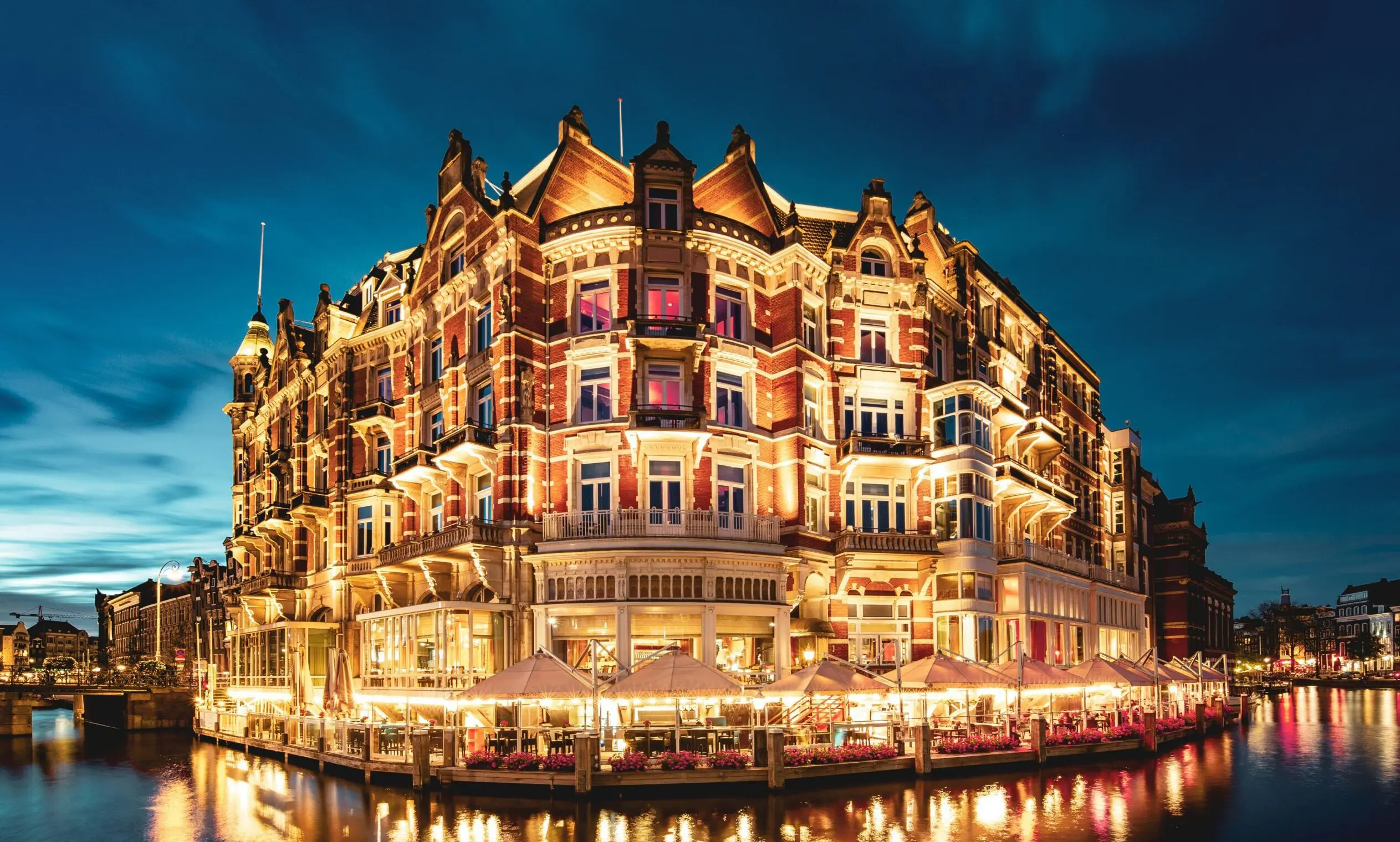
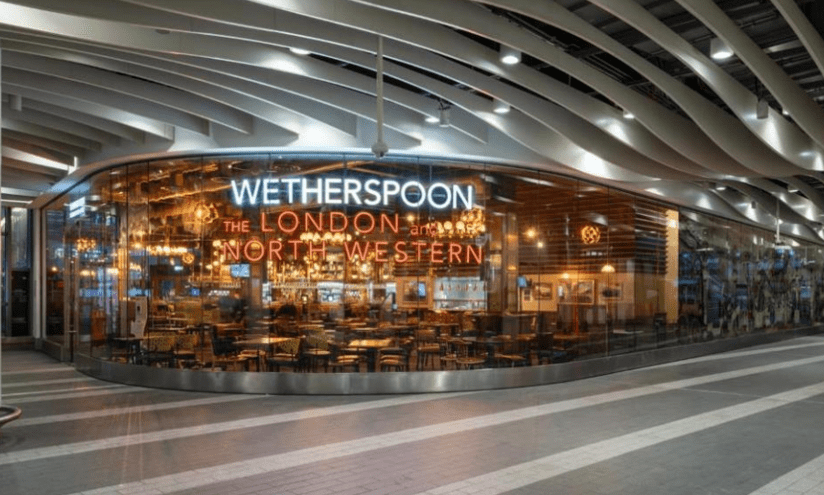
Reflecting on JD Wetherspoon’s recent move toward franchising, Kaye explains that the chain had previously dipped its toe into the model. The first Wetherspoon franchised pub opened in January 2022 in Hull University’s student union, followed by a second at Newcastle University in September 2023, and third at Haven’s Primrose Valley Holiday Park in Filey, North Yorkshire, in March 2024.
However, while franchising can be a profitable option for hoteliers, they also need to be vary of potential disadvantages such as loss of control over operations, brand restrictions and ongoing franchise fees.
Franchise agreements often dictate everything from a menu to pricing and marketing strategies. This inturn limits the hotel’s ability to tailor the restaurant to its specific needs and preferences. Hotels might also need to adhere to strict brand restrictions. Additionally, while a well-known franchise might draw in guests familiar with thename, it can also overshadow the hotel’s own personality and positioning.
Furthermore, franchises require intial fees, ongoing royalties and a share of profits, which can reduce the overall profitability of the hotel’s food and beverage operations. Hotels are also responsible for marketing and operational costs while still being bound by the franchise’s national campaigns or promotions, which may not align with the hotel’s local market or peak seasons.