







The cost-efficiency burnout is what every member of a hotel is experiencing, from the housekeepers to the general managers. It’s the process of them feeling the burden of having to save every penny at every corner but still maintain excellent, fast and reliable service to guests and the company. Hotel owners are feeling the pinch the most, as they’re the ones managing all the expenses and trying to crunch the numbers. The greatest expense for hoteliers is not just their staff but managing their staff. With 300 employees, for example, you need a good 20 HR people to navigate all their needs. All around, staffing is a huge cost. This is where automation for staffing comes as a relief.
Automation is becoming the industry’s survival tool
Hotels are increasingly automating the administrative work that drains time and resources every day. There are so many movements that happen within the hotel industry pertaining to staff that hoteliers need to be smart, reactive and integrate automated technology to deal with this. The UK hotel and hospitality sector has one of the highest staff turnover rates of any major industry, averaging between 30% and 52% annually. And to add to that, around 42% of hospitality staff leave within their first 30 days on the job. Seeing as hotels rely heavily on people, it is a big problem.
This is where automation comes in. Hospitality HR software helps centralise scheduling, attendance tracking, leave management and workforce communication into one system rather than forcing managers to juggle spreadsheets, emails and paper records. Hotels are no longer looking at technology as a luxury upgrade. They are seeing it as one of the only realistic ways to maintain service standards without completely exhausting staff or damaging profitability. Platforms such as factorial are gaining attention because hospitality HR software is helping hotels reduce administrative pressure while improving workforce coordination behind the scenes.
Some of the biggest operational areas hotels are now automating include:
- Staff scheduling and rota management
- Payroll coordination
- Holiday and absence tracking
- Employee onboarding
- Shift communication
- Compliance documentation
- Performance monitoring
- Recruitment workflows
These systems reduce repetitive tasks while helping hotels respond more quickly when operational issues arise.
Staffing pressures are reaching a breaking point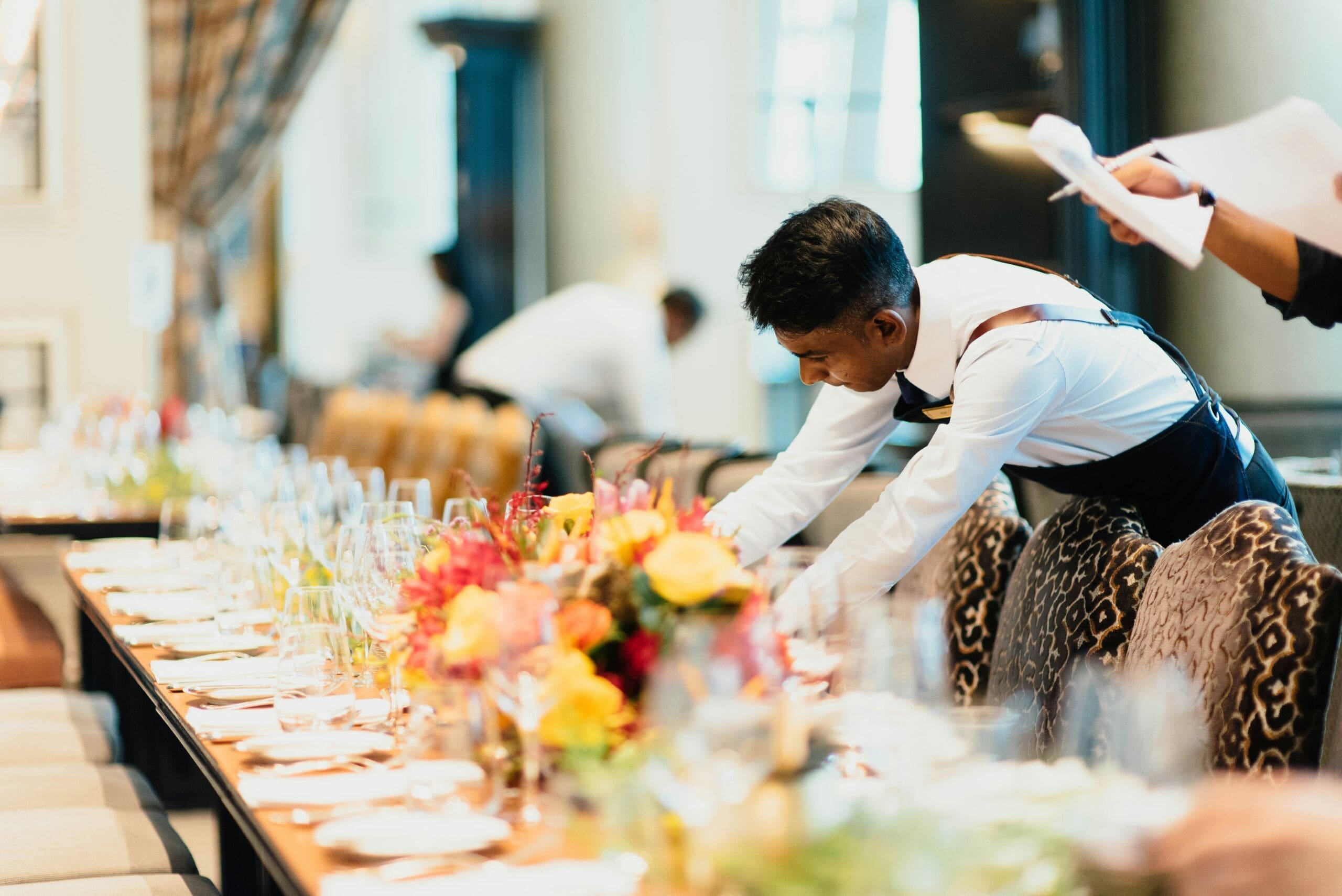
One of the biggest problems facing UK hoteliers right now is staffing instability. Recruitment has become more expensive and employee turnover is high because the hospitality industry has always been difficult to work in but now, many employees are wondering if it’s impossible?
Given that staffing is reaching such a breaking point, managers are spending huge portions of their day handling shift gaps, rota changes, holiday requests and last-minute staffing emergencies. This creates an endless cycle of reactive management. Instead of having the time to make a guest feel extra special or have moments to be creative and think of interesting ways for expansion, managers are in the trenches trying to sort out a staffing rota. This is why automation around a challenge that is faced every day is so key. If this were something that came once in a blue moon, fair, perhaps it could be done manually. However, staffing challenges do not just come up every day but all day, every day and for this, technology and automation need to be implemented. It’s as simple as that.
You also can’t forget that all of this leads to an emotional burden. Hospitality burnout is becoming increasingly common because many hotel workers feel like the pace never stops. Everyone in the team has to be on top of everything but they often don’t have enough staff members on shift for the demands of managers and guests, which can truly lead to burnout. According to The Caterer, 57% of workers cite under-resourcing as their primary workplace challenge, causing longer hours and skipped breaks. Staffing is the big issue and this is no good.
Boutique hotels are facing unique pressure
Large hotel chains often have bigger budgets, centralised systems and wider staffing pools. They can also hire staff a little more easily as they have a brand name to fall back on. Many who want to work in the hotel industry bear the pain of the endless daily pressures because they want the big hotel name on their CV and the exposure and experience. However, independent and boutique hotels rarely have those same advantages.
This creates pressure because smaller establishments still need to compete against larger brands while offering personalised guest experiences that often require even more staff attention. They try to win by offering personalised experiences but personalised hospitality takes time and energy.
Many independent hotel owners are now finding themselves trapped between rising costs and rising expectations. Again, even for boutique hotels, this is where automation becomes especially valuable for smaller operators. By reducing administrative workload, hotels create more breathing room for staff to focus on guest-facing experiences rather than internal chaos.
Interestingly, many boutique hotels are also becoming more selective with recruitment. Instead of hiring large teams quickly, managers are focusing more heavily on retention and long-term staff development. Keeping experienced workers has become more valuable than constantly replacing employees, which is quite a smart strategy.
Employee burnout is affecting guest experience
Hospitality has always been emotionally demanding work but the pace of modern hotel operations has intensified significantly over the past few years. According to The Caterer, recent studies show that an alarming 76% of managers report suffering from burnout. For junior employees, nearly two-thirds believe that burnout is simply “just part of the job”.
The potential reason for this? Poor management but also maybe guest demands. Guests now expect instant responses, personalised communication and seamless service across every stage of their stay. And often, managers go along with it, not protecting junior staff members. Guests can also be more demanding, as things are so fast-paced in this modern age.
Also, it’s a digital time. Guests can leave a hotel a one-star review without even flinching and this can ruin years of reputation that the hotel has tried to build for itself. So, on one hand, you have more demanding guests and then on the other hand, exhausted employees who are experiencing cost-efficiency burnout. Not the ideal duo by any measure.
This is why many hotel owners are beginning to realise that operational efficiency is no longer purely a financial conversation. It has become directly connected to employee well-being and long-term customer satisfaction. It’s another reason why workforce management systems are becoming so important. Better scheduling visibility helps managers distribute workloads more fairly.
The future of hospitality will depend on sustainable operations
Hotels that focus only on reducing labour costs without improving operations often create larger problems long-term. Hotels can’t simply cut costs or reduce staff numbers and expect the remaining staff to pick up the slack; it’s not fair. This is why so many hospitality leaders are shifting their focus toward operational sustainability instead of short-term cost-cutting. They understand that burnt-out employees cannot consistently deliver excellent guest experiences.
It’s automation and not cost-cutting that allows hotels to remain agile during periods of uncertainty. It helps smaller teams manage larger workloads without completely sacrificing quality. Most importantly, it creates more space for employees to focus on the parts of hospitality that genuinely matter: human interaction, service and atmosphere.
Why human connection still matters most

Despite all the conversation around automation and digital systems, hospitality is still about people. Hotels can bring in as many technological gadgets as they want but it is the human interaction that really counts. The good thing about technology and automation systems that work in the background is that these can strengthen the morale and support employees feel, which could directly improve their interactions with guests. You see, when staff spend less time dealing with administrative confusion, they have more energy available to serve guests in a meaningful and personalised way.
The challenge facing UK hoteliers in 2026 is not simply about reducing costs. It is about finding ways to maintain quality, profitability and employee wellbeing simultaneously during an incredibly demanding economic period. Automation is at the helm of this solution. By reducing administrative overload and improving workforce coordination, automation is helping businesses create more stable environments for both employees and guests. But it needs to be absorbed into the hotel, accepted by managers and staff members and then properly implemented. It is all about training, transparency, efficiency and a long-term picture at the end of the day.