



























Register to get 3 free articles
Register to unlock the article and receive our free newsletter. Join 26,000 other hotel leaders and stay in the know.
Want unlimited access? View Plans
Already have an account? Sign in
As news breaks that the government is discouraging people from gathering in pubs and at work, it’s inevitable that many in our industry are waking with heavy hearts and plenty of fear. What will become of our sector? How will we cover costs? It is in many ways terrifying, particularly for an industry that can’t ‘work remotely’, but I’m also a believer that what will be, will be, and all we can do is be as prepared as possible to handle the fallout. At the time of writing, the advice is for people to avoid what is ‘unnecessary’, but there’s not actually the same as a lockdown.
So the question is, will we need to stay open for the few? Or will it be closure for a few weeks before returning to ‘normal’ once restrictions have been lifted?
Yesterday, I read a quip on LinkedIn comparing work in the hospitality sector right now with the band that keeps playing while the Titanic sinks. Whilst a mildly amusing anecdote, I think the metaphor misses the mark somewhat because when the Titanic hit the iceberg, it sank forever. I like to think of hospitality now as being the start of the Titanic’s journey, full of hope and anticipation, but also nerves and uncertainty, and we’ve got the opportunity to plan it right this time, before it hits the impending iceberg.
There’s no denying that Covid-19 has had and will continue to have an impact on hospitality and travel, and there’s no denying that it isn’t an ideal situation. I’d be an idiot to suggest everything was fine and dandy when we all know there will be significant short- and mid-term side effects to this blasted disease, but I’m also enough of an optimist to believe it presents a huge opportunity and will be an interesting catalyst for change. I don’t think the industry will ever be the same again, but perhaps that’s no bad thing.
Dealing with the practical, now
On 15 March 2020, the most up-to-date version of a ‘Coronavirus guide for the F&B industry’ was released, put together by an expert group and independently evaluated by epidemiologists, public health officials, biologists and doctors. It is being updated all the time and only really applies when it is ‘business as usual’, but this latest version is quite a useful guide to what COVID-19 is, what precautions you need to take, and why it matters.
For me, it’s something that hospitality businesses should be using now, but also using post-lockdown as business returns to normal, but the threat of infection is not yet past. It outlines that the threat is two-fold; person to person contact, and transfer between people via hard surfaces. They outline three key changes that every business could and should be making and these are:
- increasing the frequency and quality of staff handwashing
- increasing the frequency and intensity of cleaning around the premises
- being more vigilant about sick staff coming into work. Even if they feel ‘well enough’ to be in work, ask them to stay at home just in case.
Ultimately, these are pretty common sense and in line with what you should normally be doing in cold and flu season anyway, but there’s nothing like a pandemic to remind us just how important basic hygiene is. So what else should we be doing? Well assuming you’re open and operating, we’ve pulled together a handy list of tips that build on what you should already be doing on the premises:
- Change your policy around how and what people touch and remind them to think about what it is they are touching. People naturally touch their face quite a lot, so remind them not to do so if they can at the moment, but also consider whether to change the policy around mobile phones during work hours, handwashing before and after breaks, not chewing pens, make sure your chefs aren’t plating food with their fingers etc. Add extra soap and alcohol based sanitisers for your teams and your guests to use.
- Travel your hotel as a ‘guest’ and then work out what needs cleaning and how often. You’ll need to increase the frequency and intensity of cleaning, but it’s also important you’re cleaning in the right places too. Most guidelines are encouraging regular wipe-downs of indoor and outdoor handles, front desks and seating areas, but I’d also be thinking about mirrors (people often lean in close and breathe on the mirror), lift buttons, key cards / keys, banisters, tongs and utensils on your breakfast bar, leaflet holders, toilet cubicle doors and taps, light switches, card machines, bin lids and basically anything else people touch. Many of these may get a cursory swipe once a day, but it’s essential that high-traffic areas are getting hourly wipe downs if not after every guest. Travel it yourself and you’ll be surprised how much needs to be cleaned that probably isn’t on your Covid-19 checklist.
- Look at what facilities are shared between your team. You may need to consider how and how often to clean communal facilities including the desk phones, the computer keyboards, the card machine and even the office chairs and desks. Your staff are coming face to face with your guests almost constantly, so it’s essential to minimise the transfer between them too.
- Change how you clean. It goes against all the environmentally positive changes that most hotels are trying to make, but in the short-term, it’s essential to change how you are cleaning. Make sure you have quality cleaning products and then operate a wipe and throw away system to prevent cross-contamination between surfaces and rooms. You shouldn’t be using microfiber cleaning cloths for cleaning at the moment; instead you should think about operating a colour-coded cloth system. Look at introducing toilet hygiene strips and instead of cleaning glasses in the sink with cleaning fluid, replace them and run them through the hot glass washer. Providing your teams with disposable gloves, cloths and potentially even aprons and masks will all help too and protects your team as much as possible. Dispose into a strong bin liner which can be sealed before disposal.
- Talk to your suppliers. There’s lots of opportunity for suppliers to be in and out of the hotel, but they can also help you tackle the issue. For example, when stripping beds, take the linen off the bed and put it straight in a laundry bag and not on the floor. Then make sure your laundry service is washing them at at least 60 degrees in order to kill any bacteria. This is just one example but there are many others you can consider including asking suppliers to use gloves, wiping down any packaging, removing materials from their boxes before they leave etc.
- Change the guest experience. Everyone is pretty understanding by now that if they really need to travel, they’ll need to change what and how they are doing it. Look at ways you can minimise contaminant transfer including:
- suspending the use of hand air dryers and place paper towels in all public bathrooms
- offering antibacterial liquids in public places for guests to use
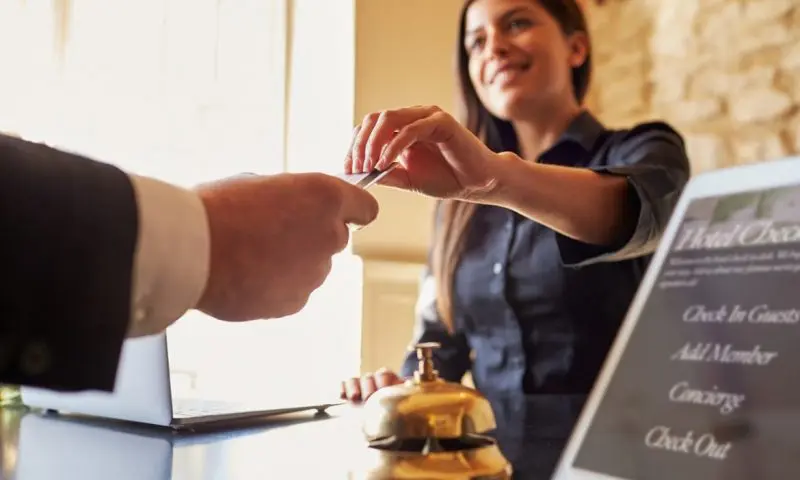
- asking guests to pay contactless wherever possible so that there is no need to transfer items between your staff and your guests
- providing them with information in their room including a link to the NHS website and 111 service, the process they should follow should they start to feel unwell, an overview of the cleaning schedule and what has changed and anything else they might find useful to know about your specific regimes.
Assuming you are operating at the moment, or planning to reopen in the future, I’d also be using this as an opportunity to update training policies and review procedures while things are quieter. What do you always put off that might improve your training – can you go through that with staff now?
Aside from this, you also need to be looking to the future. For now, we’re in survival mode and you can continue marketing to attract what little business there is, but you also need to be looking to the future and a return to ‘business as usual’. Look at the partners you normally work with and how you can support their future business acquisition with favourable rates, prep your offers now to capture the biggest chunk of the market when we emerge from this madness, and focus on how and why people will be picking you when things get back on track.
What happens if there is a lockdown?
Let’s hope it doesn’t reach that stage but looking at what’s happening on the international stage, I’d say an official lockdown is a distinct possibility. What you do next depends on your set-up and how your team is employed and paid. Casual staff and those on zero-hour contracts won’t be entitled to anything – although I’d encourage you to be an ethical employer and look after them – but the rest will depend on what contracts you have in place for them. Some contracts include a ‘lay-off’ clause which allows you to pay Statutory Guaranteed Pay – £29 at the moment, rising to £30 on the 6 April – but if they don’t then they need to be paid in full.
You can also request that your staff take annual leave, as long as you give them twice the notice of what you want them to take i.e. 2 weeks’ notice if you want them to take a week off, but again, this is probably not the most ethical choice as an employer.
Assuming you do have to keep the team on and you do have to shut down, then I’d be prepping now to see how and what I can use to keep the team engaged. Virtual meetings and webinars could be a great option to review training, discuss business opportunities and use the time to cover off things that keep being put off by the day job. You need to think about it now and put the structure in place though if it’s going to work effectively and be worth anything in the event of a lockdown.
It’s also worth noting that in the event that schools are locked down but businesses aren’t, working parents have the right to take unpaid leave and you can also negotiate annual leave too if the absence extends for a long time.
What about the longer term?
It’s hard to predict how long this pandemic will last and what the long term effects will be, but it’s inevitable that the future of travel will be different to what it is now. I hope that businesses will survive and be able to return to thriving, but in the meantime, I’d be making all the preparations I can to capitalise on the return to ‘normal’.
All that remains is to wish you the best of luck and remember, we’re all in the same boat, so let’s work together and not apart.
Quality in Tourism assess thousands of accommodation providers globally each year. To find out more about their assessments, gradings and the future of registration please visit www.qualityintourism.com.