



































Register to get 3 free articles
Register to unlock the article and receive our free newsletter. Join 26,000 other hotel leaders and stay in the know.
Want unlimited access? View Plans
Already have an account? Sign in
Known as the ‘Oil Capital of Europe’, Aberdeen has long enjoyed strong occupancy and high room rates. After the collapse of the oil industry in 2015 the city is now looking to balance its economy and attract a new type of consumer. TOM DAVIS reports
[divider style=”solid” top=”20″ bottom=”20″]
It is not every day a local visitor market takes a sudden nose-dive – circumstances affecting the prosperity of a bricks-and-mortar hotel are not normally so volatile, or tightly geographically centred. While the sector has gone through some turbulence like everyone else in the wake of the global financial crisis, hoteliers are a generally hardy bunch accustomed to adapting quickly to market conditions and retaining a core following.
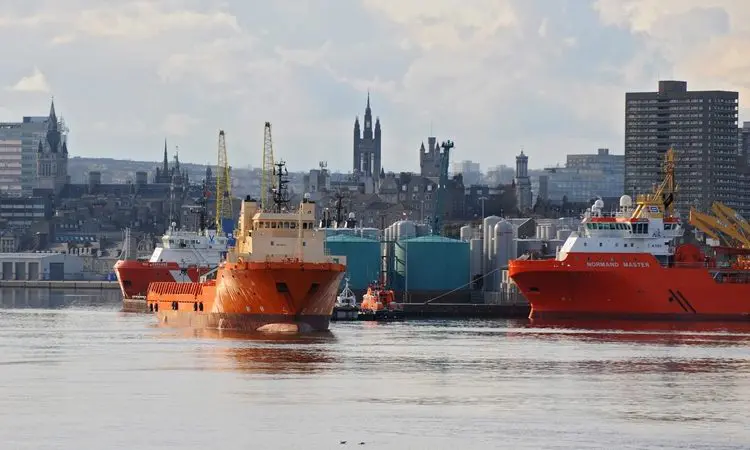
But what happens when a source of business that hoteliers are so reliant on completely collapses? That’s the question that hoteliers in Aberdeen are still trying to work out more than two years on from the decline of the oil and gas industry in 2015. To give a sense of how important the sector is for the city, according to the Aberdeen Convention Bureau some 40,000 jobs in Aberdeen are dependent on oil and gas – a staggering one-third of total employment in the city.
In 2015 occupancy for hotels in the city dropped 14.3% to 66%, while average daily rates (ADR) and revenue per available room (RevPAR) fell 13% to £84.88 and 25.5% to £56.02. These declines continued throughout 2016 with full-year results from STR showing occupancy fell a further 5.3%, ADR was down 27.3% to £61.68 and RevPAR decreased 31.2% to £38.55.
Thomas Emanuel, director of business development at STR, comments: “To see such rate declines in a city is significant, it is not normal behaviour for a market.”
BOTTOMED-OUT
The general feeling of hospitality leaders in the area is that the market has, or is at least starting to, bottom out. If the ‘Granite City’ is indeed starting to stabilise it will now be on the industry’s hoteliers and trade associations to attract a new type of customer and slowly push those once-strong figures back up.
Andrew Martin, vice-chairman of Aberdeen City and Shire Hotels Association, and also director of the Scottish Centre for Tourism at Robert Gordon University, agrees. “We feel the market has bottomed out,” he says, “however, we are still looking for that lift.
“To preserve occupancy the average room rate has taken a hit and that rate will take years to grow back and that’s a problem for the city’s accommodation.”
Signs that the market is stabilising were seen throughout 2016 and continued into January this year, although year-on-year room rates and RevPAR are still down considerably. Occupancy increased slightly from May to September last year, as well as increasing last month by 2.6% with just over half (53%) of the city’s room booked.

This has been at the expense of average daily rates, but, according to the latest LJ Forecaster Scottish Intercity Report from market research firm LJ Research, the decline of 14.9% in January 2017 is significantly lower than the 28.9% recorded in January 2016. It suggests the market is slowly beginning to stabilise, or normalise, after the high rates commanded during the peak of the oil and gas industry.
NEW SUPPLY
The collapse in demand from the oil and gas industries was compounded by an increase in new entrants into the market. With industry profits soaring in 2014, new hotels were commissioned and begun opening throughout 2015 – after demand for hotels had already fallen through the floor. “New supply has happened at the worst possible time really. All the new supply is coming in at a time when demand has started to fall, this combined to create even worse occupancy figures than you would have others,” says Emanuel.
Almost three years on and supply is still growing in the city, despite room rates and RevPAR remaining in decline. According to STR Aberdeen has been the standout market, outside of London, in terms of new supply to the UK since 2009 until the present day. A further 481 rooms opened in the city from August to the end of 2016, according to the data and benchmarking firm, which is only pushing average daily rates even lower.
This increase in supply is likely to make life even harder for the independent hotelier, who generally will not have the funds to compete with the larger chains. “The larger chains are probably looking at Aberdeen for the long haul,” says Willie Macleod, executive director of Scotland at the BHA, “they have deeper pockets and more extensive marketing budgets. Some of the independent supply could well be affected more than the chains, especially if the independent hotels are having trouble generating enough profit to keep reinvesting in their products when there is new supply coming to market.”
However, those within the industry believe this supply will be a positive for hospitality in the city moving forwards. Steve Harris, chief executive at VisitAberdeenshire, comments that the growth in supply doesn’t concern him, and, in fact, he is actually “really pleased” with the increase in hotel offerings.
It is hoped that increasing supply will help hoteliers to move away from oil and gas dependency to a more balanced market, where leisure tourism, corporate travellers and conferencing facilities all have an input into growth. “When I started this role around four years ago we had around 3,700 rooms that we were aware of in the city, by 2020 we think it will be around 7,000-7,500,” Harris says. “We all expect that oil and gas will recover to some extent in that period. That will increase the pressure on the market and new rooms coming on will be useful as we don’t want to have the overheated market that we had before.”
CHANGING PERCEPTIONS
A balanced market is the aim moving forward, but it’s not easy. Lower room rates will go so far towards encouraging a different type of visitor, but with the city known as the ‘Oil Capital of Europe’ a lot will need to be done to change the current perceptions of would-be tourists. Aberdeen has not developed the same draw for leisure tourism as other Scottish and UK cities have established. But it is far from the dour post-industrial city that history evokes for the everyday consumer.
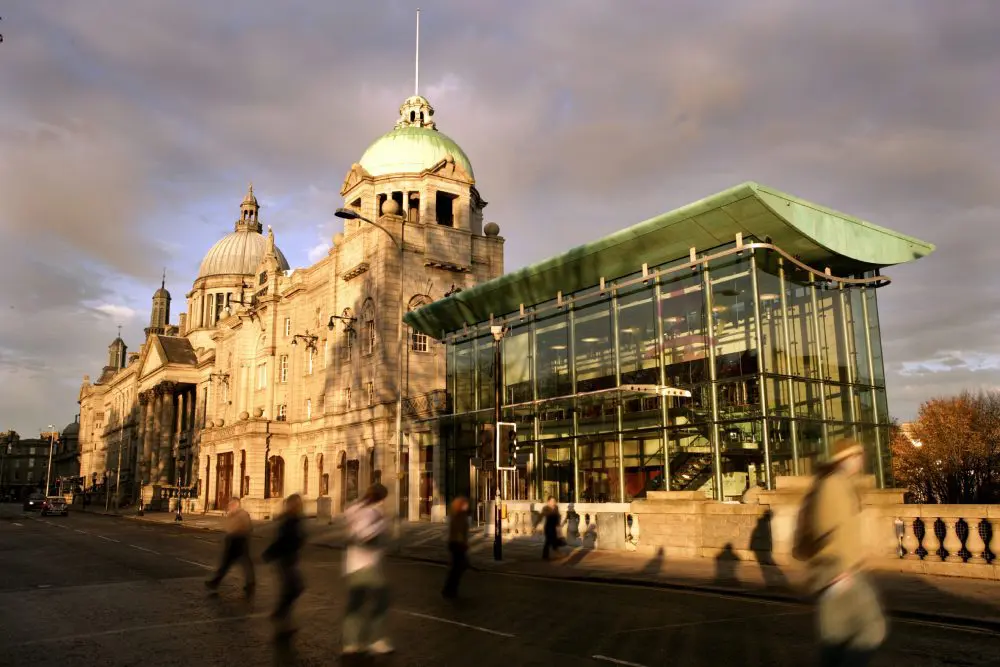
Macleod comments: “Aberdeen is coming from behind against other recognised Scottish leisure destinations. It’s an attractive city but it doesn’t have any major tourist attractions such as an Edinburgh castle. It’s not started from a blank sheet of paper as it has culture products, but there is work to be done in convincing people it’s a leisure destination.”
The good news is that VisitAberdeenshire has already started on this work. Rebranded from VisitAberdeen in April last year, the organisation has significant funding from Aberdeen City Council, Aberdeenshire Council, Scottish Enterprise, as well as Opportunity North East – a private sector response to the need for balancing the region’s economy. January this year saw VisitAberdeenshire’s first full-scale marketing campaign, which Harris says aims to reposition the area to “something more than oil and gas”.
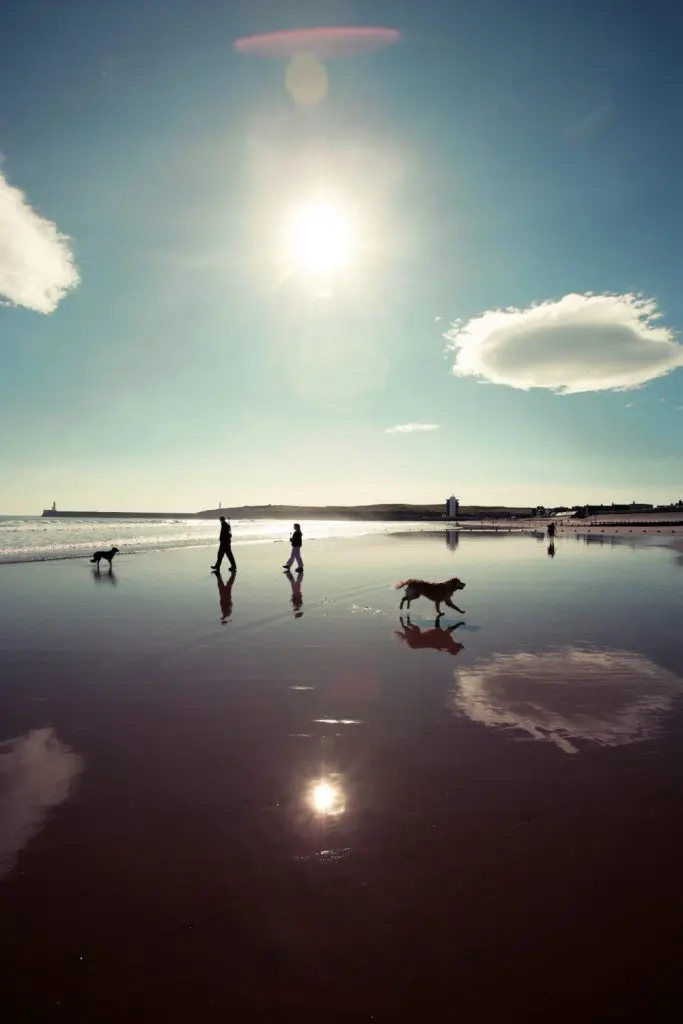
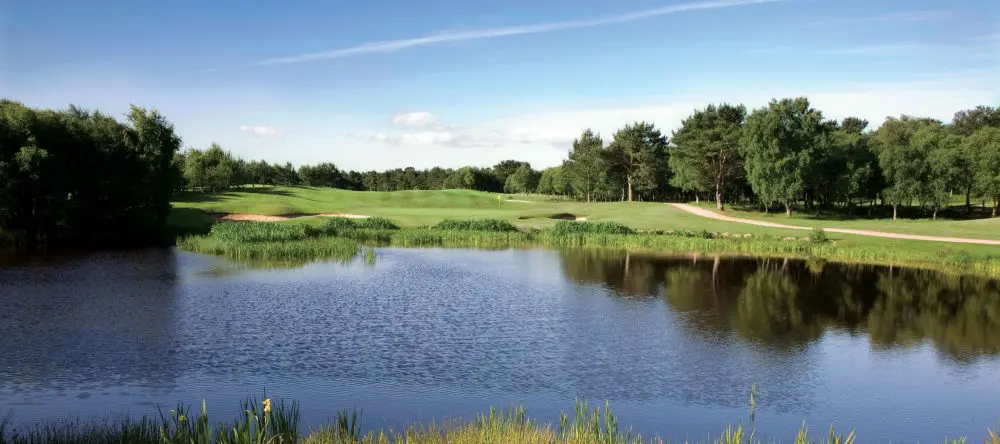
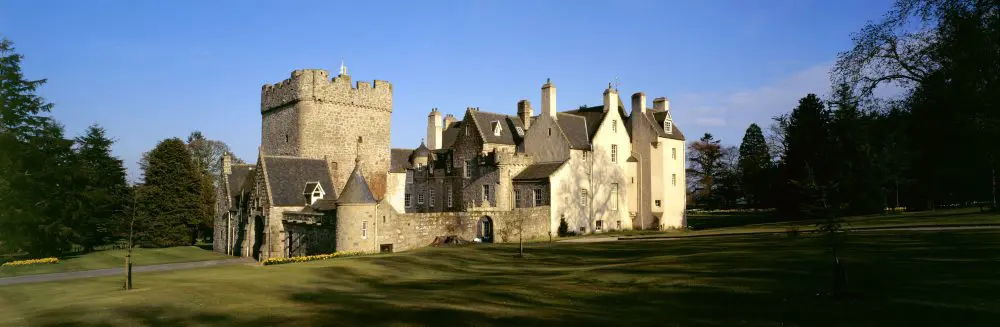
The movement will aim to market both the city and the wider Aberdeenshire area to leisure tourists, marketing the region’s countryside, coastline, castles, whisky and golf courses. “Even the golf market was a very corporate market until two years ago and now it’s much less like that – accessibility to the famous courses has become much less of a problem. We want to position ourselves as open for business for the leisure tourist,” says Harris.
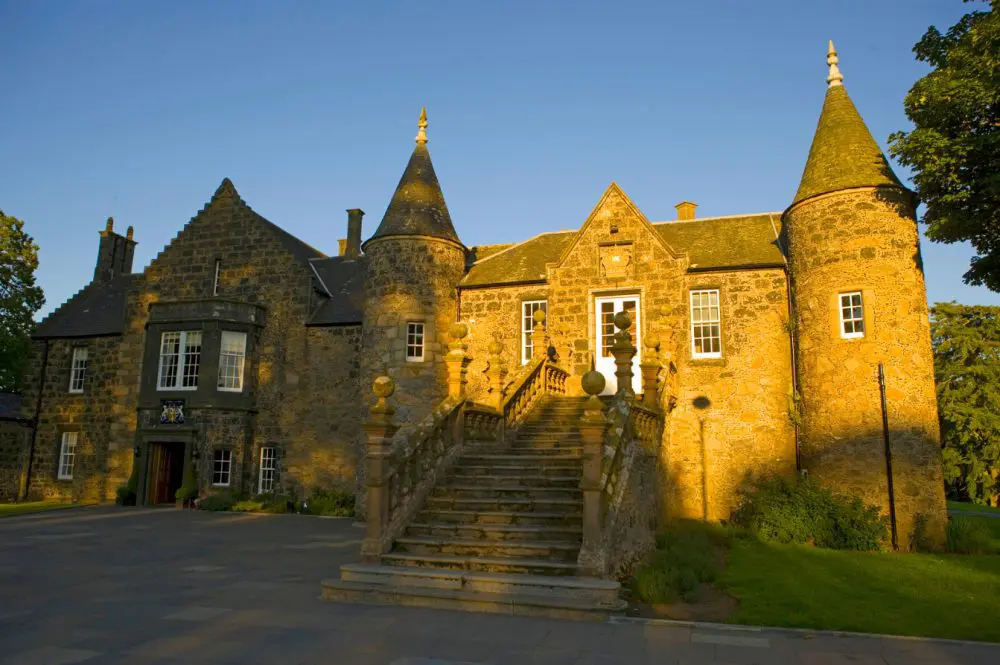
The city is also having a lot of success in the conference business since the decline of the oil and gas industry. The previous high room rates meant attracting conference organisers was near-impossible, but that has changed over the past couple of years with Harris believing 2017 will be a record year in the city for the number conferences it will host. This will only be helped by the development of the city’s new Aberdeen Exhibition and Conference Centre (AECC), which is expected to draw in further business when it opens in 2019.
ALTERNATIVE METHODS
A tourism tax is one of the more controversial methods that has been proposed to regenerate the city. Proposed by the Aberdeen’s Labour-led council in August last year, the plans would see hotel guests charged up to an extra £1 for each night of their hotel stay, with the money generated used to pay for the upkeep of tourist attractions in the city such as museums, galleries and historic buildings.
The levy, which would bring the city in line with European destinations with similar taxes, is unlikely to go ahead as Scotland’s central government is believed to be opposed to the concept. Despite this, the fact Aberdeen is having a conversation on the levy and how the city can be put on the map for tourists can only be a positive for its future growth. “No one wants to pay more money and we don’t want to ask tourists or hotels to pay £1 more. However, there is a greater good here and we are willing to engage because there is a recognition that to put Aberdeen on the tourism map there are requirements,” adds Martin.
Price fluctuations in the oil and gas industries have been seen before, and although this time round it has had a more sustained impact, it is hoped the sector will recover again even if it does not match the heights of 2014. But those with close ties to Aberdeen’s hospitality industry are aware that the city can no longer be dependent on the oil and gas industry if it is to insure itself against future volatility. Aberdeen will aim to move towards a more balanced economy, but nobody yet knows if it will be able to shake off the public’s misconceptions.