




































Register to get 3 free articles
Register to unlock the article and receive our free newsletter. Join 26,000 other hotel leaders and stay in the know.
Want unlimited access? View Plans
Already have an account? Sign in
Sustainable practices are becoming increasingly popular for the modern consumer, but they can also help hoteliers to cut down costs and improve their bottom line. We speak to some key suppliers in the sector.
[divider style=”solid” top=”20″ bottom=”20″]
Increasing revenue is at the top of any business’s agenda, but doing this at the same time as improving carbon footprint and corporate social responsibility (CSR) efforts is becoming an increasingly popular proposition for most hotels. Simple behavioural changes to the way hoteliers run their businesses can not only help them tap into a new and environmentally-conscious market, but also see them cut down on costs and improve their bottom-line. 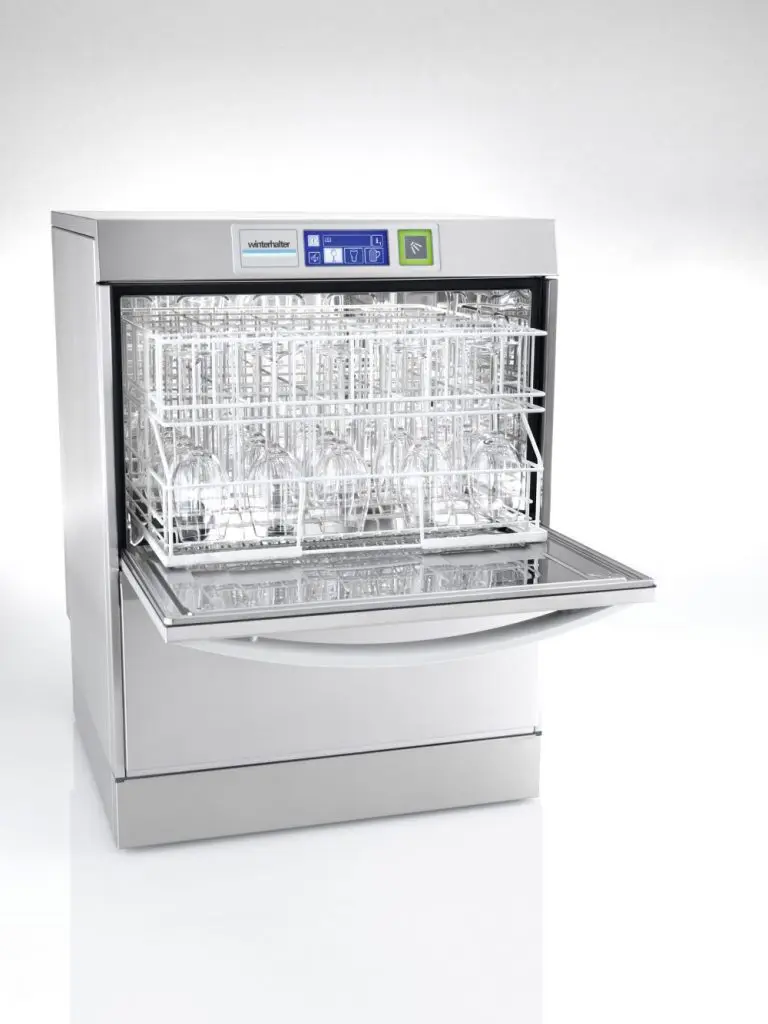
CSR has been driven by a wave in demand for sustainable goods. Labels such as Fairtrade have raised awareness on sustainable alternatives, and how they can not only help preserve the earth but also provide a better quality of life for the communities involved in their manufacture.
The hotel industry is still somewhat trailing when it comes to sustainable practices and cutting down on carbon emissions. According to research by the Carbon Trust, a not-for-profit company that helps businesses reduce their carbon emissions, annual energy costs in the hospitality sector are in excess of £1.3bn, resulting in carbon emissions of more than 8 million tonnes per year. Making simple changes to the way a hotel is run can result in significant cost reductions, and at the same time enhance its reputation as a sustainable business.
“If consumption is carefully monitored, adjusted and applicable behavioural changes are implemented, hotels can achieve up to 10% to 15% savings on their annual bills”– Benedetta Cassinelli, business development director at Considerate Hoteliers.
SMALL CHANGES
Simply cutting down on the overuse of lighting, heating and electricity can all play a significant role in decreasing costs and becoming more environmentally friendly. There are various methods and technologies that a hotel can implement to make these changes, even measures as small as changing the behavioural patterns and mindset of your employees – such as turning lights off when a room is left empty – can see monthly expenditures fall.
Substituting existing lighting for LED, and installing motion sensors, timers and thermostat radiator valves can all help cut down on energy expenses. Motion sensors will save lights from being left on when guests are not in a room, 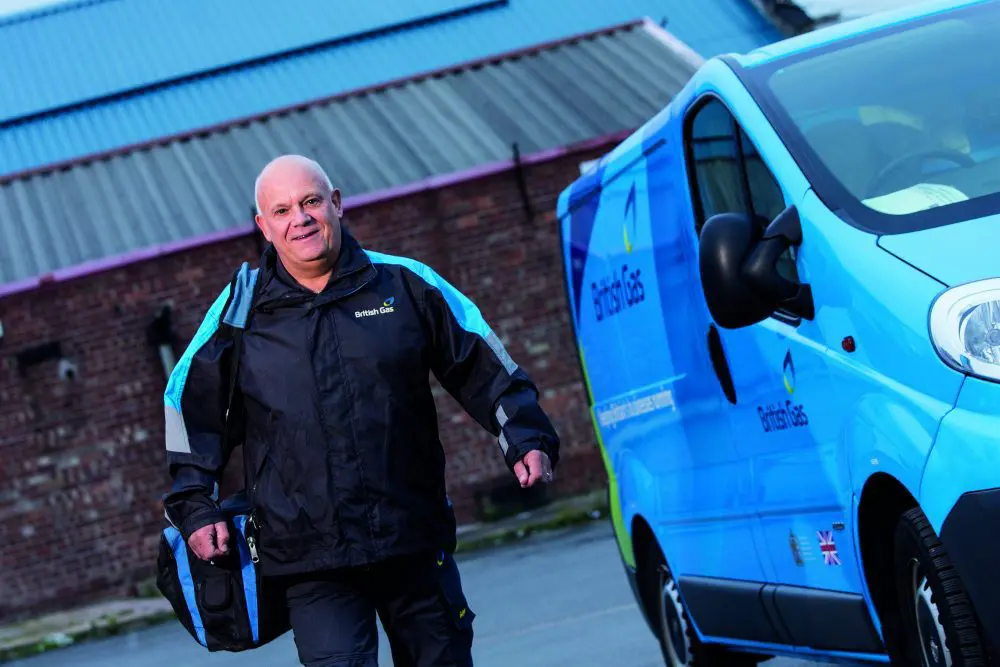 while timers and thermostat valves will give hotel owners full control over their heating.
GAS
Hoteliers can also considerably cut down on costs with the type of heating and energy systems they have in place. The Renewable Heat Incentive (RHI) is just one example of the various schemes on offer from the government. By simply changing from oil to boilers that are approved by the scheme, hoteliers can not only save money but also receive funds from the government for their participation in the programme.
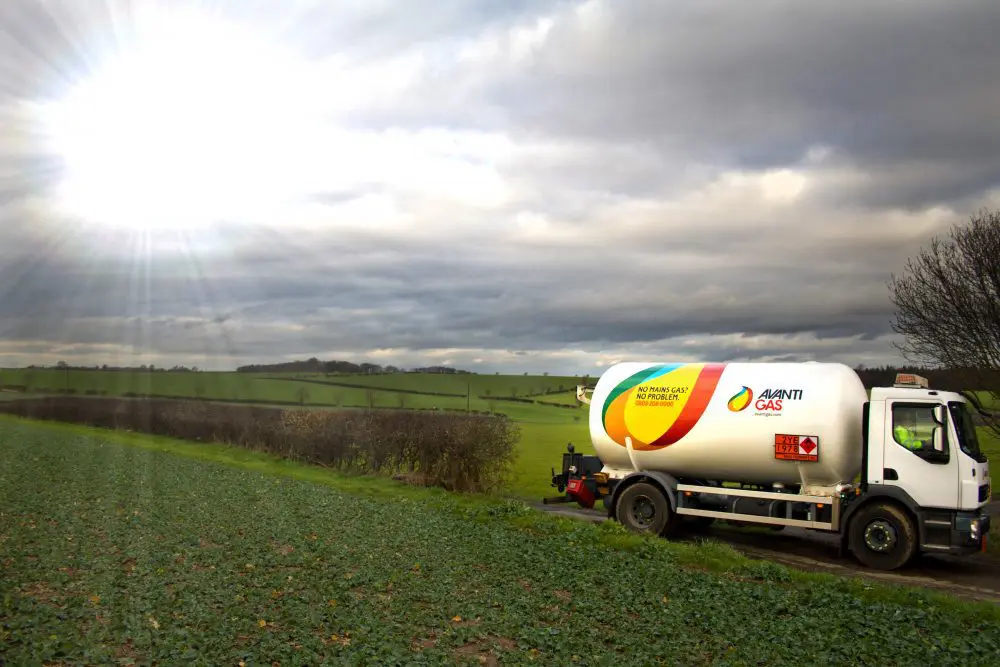
One option for ‘off-grid’ hoteliers who don’t have access to a mains gas supply is to use liquefied petroleum gas (LPG), a more sustainable and cheaper alternative to the traditional oil. “Switching from oil to LPG can not only deliver significant cost savings, but it can also help hotels cut their carbon footprint and even boost the efficiency of their heating system as a whole,” claims Mark Clark, head of national accounts at Flogas Britain.
British Gas also highlights the importance of hotel owners ensuring their gas appliances are serviced and maintained by experts on a regular basis. A spokesperson for the company comments: “Boilers and heating systems can break down when you least expect it. The fact is, without safely functioning gas boiler appliances and a secure gas supply, small businesses could be putting their revenues, reputation and safety at risk.”
ELECTRICAL APPLIANCES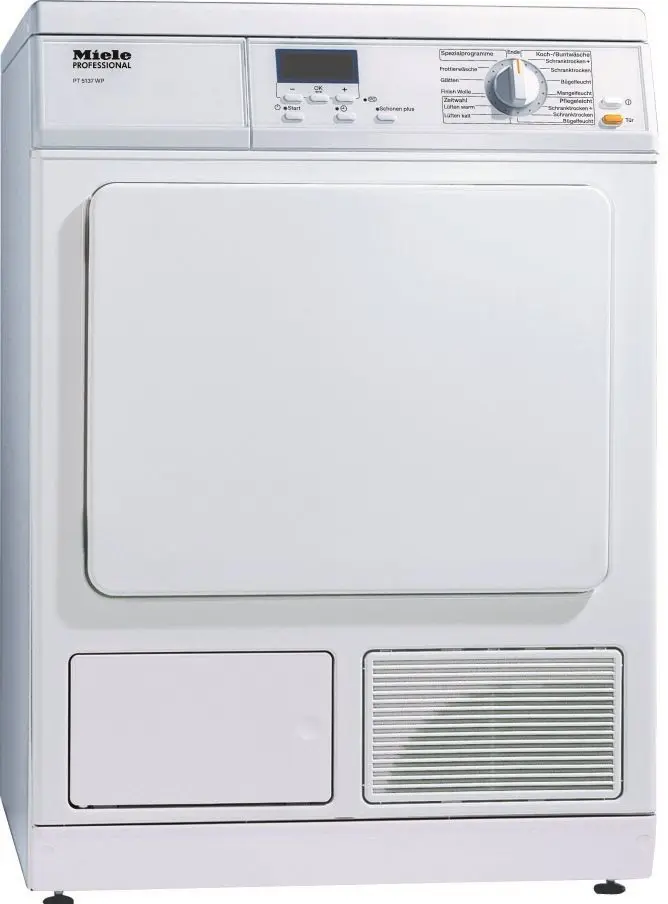
Laundry and dishwashing appliances require a large amount of energy useage, but in-house equipment gives hotel owners the opportunity to buy more sustainable technologies while also cutting down on the carbon emissions involved in outsourcing laundry. Although this can be costly at first, money will be saved in the long run. Stephen Hodgins, UK national business development manager at laundry equipment firm Girbau, claims hotel owners can save between 25% and 45% from using one of the company’s towell laundry’s, when compared with outsourced services.
Not only can on-premise laundry facilities be cheaper and more sustainable, but it also gives property owners more control over the quality of their linens.“By installing on-premise laundry facilities, hotel owners can gain more control and flexibility over the quality of their facilities, making it easier to achieve pristine results. Taking the process in-house also saves valuable time, money and resources,” says Les Marshall, sales and marketing director at Miele Professional, a supplier of commercial laundry and dishwashing equipment.
Staff training and proper care of equipment is key, and can prolong the life of these products significantly.
“Choosing energy saving equipment is one thing, but in order to maximise the sustainability practices within your hotel you need to run it as efficiently as possible.” – Paul Crowley, marketing development manager at Winterhalter.
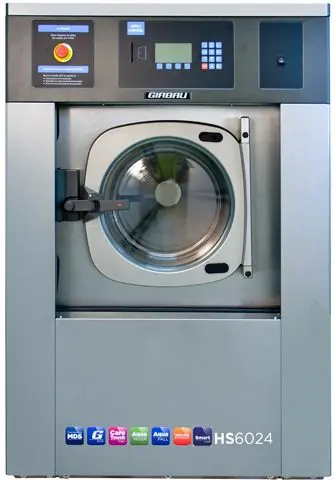 He advises that for key areas such as warewashing, hoteliers should check filters for blockages and ensure regular descaling is carried out. “If a machine is well looked after, serviced regularly, and training provided for staff, the lifecycle of a product should be very long,” he adds.
Food waste is a concern across the hospitality and foodservice industries, and an area where hoteliers can make huge savings. Public awareness of the issue has greatly increased, most notably by the 2015 legislation that saw France ban supermarkets from throwing away or destroying food.
The issue was brought to light more recently when Hugh Fearnley-Whittingstall addressed a committee of MPs investigating food waste. The celebrity chef and campaigner called the hotel breakfast one of the “big nightmares” when it comes to food waste, and criticised hotels for their “inexhaustible” displays that are constantly topped up until the last guest arrives for breakfast.
According to the charity Waste & Resources Action Programme (WRAP), the cost of wasted food in the UK
from the hospitality and foodservice sectors was estimated at a staggering £2.5bn in 2011 – a figure that is expected to rise to £3bn in 2016 when figures are released. With an organised plan, hoteliers can cut down on wasted food and those additional extra costs.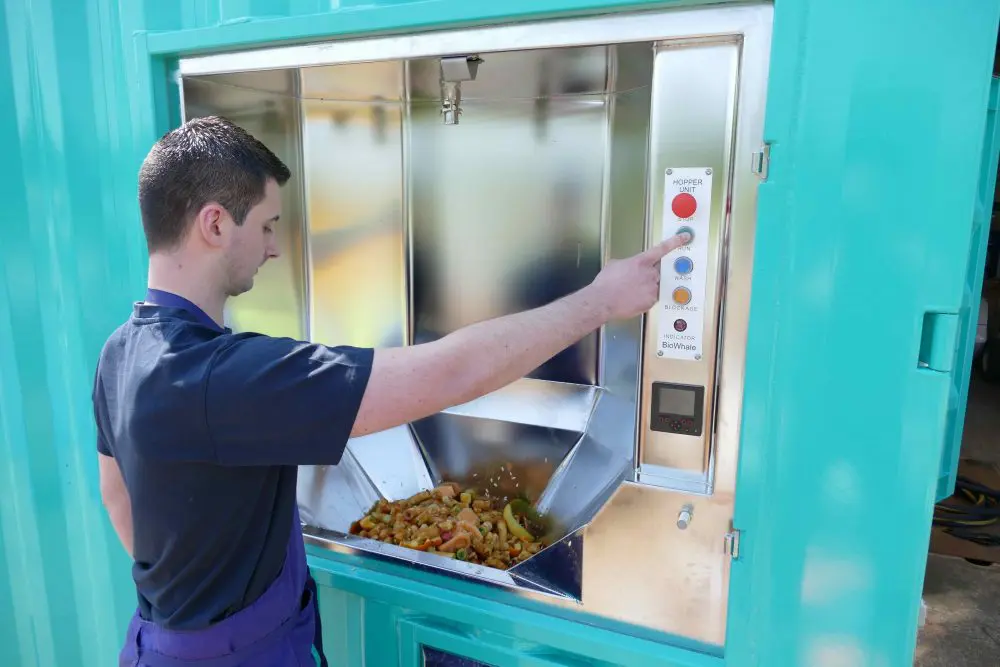
Vacuum waste management units can also provide hotel owners with a greener, cleaner and less costly way to manage their food waste. These systems, which generally cost less than conventional waste removal services, macerate food waste before transforming it into renewable energy and organic fertiliser.
William Heller, chief executive of Organic Waste Logistics, which supplies the BioWhale unit, says: “It simplifies food waste management by eliminating odours, messy spills and pests – it provides the hotel with a 100% green solution. We have found that customers producing two tonnes of food waste per week can achieve a saving of roughly 10% to 15%.”
Filtered water taps are also becoming increasingly popular in hotels, for both front and back of house areas. These systems take water directly from the source but filter out the impurities of tap water – some even have the ability to turn this into sparkling water.
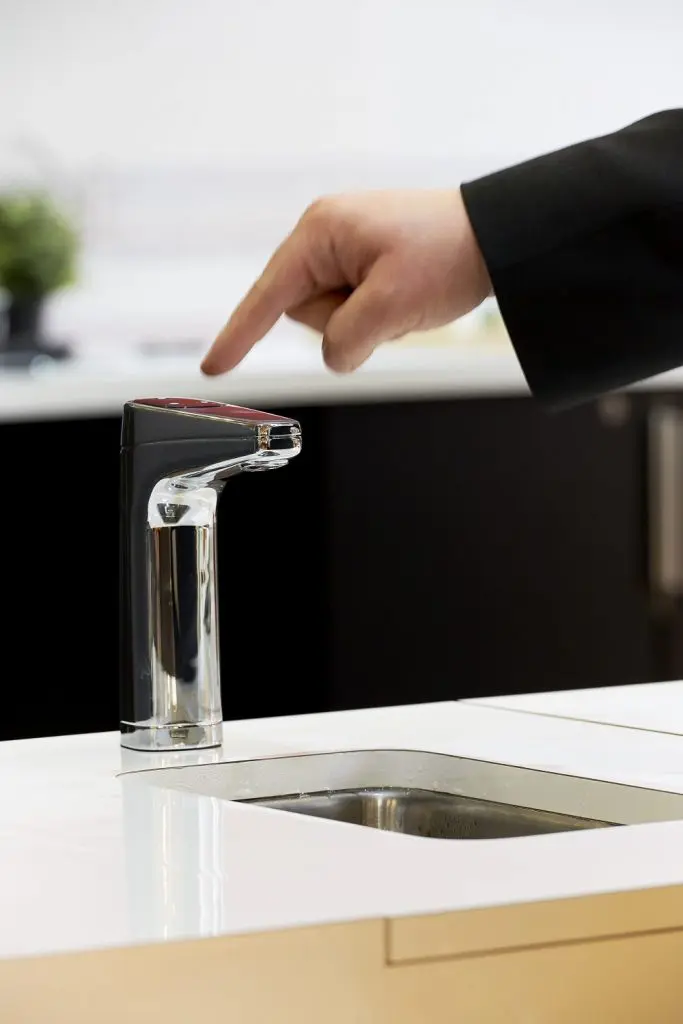 One such company is Eau de Vie, which provides customised bottles allowing the hotelier to not only save on plastic bottled water costs, but also upsell on tap water. David Smithson, CEO, comments: “Our customers see increased profit margins because of the elimination of pre-packaged bottled water and even increased revenue by converting tap water drinkers into paying customers in environments such as a hotel bar.”
Adopting sustainable practices can boost a hotel’s CSR, improve its carbon footprint and help it broaden its appeal to an environmentally-conscious audience. Combined with the ability to cut down on expenditure and increase the overall bottom line, becoming a more sustainable company simply makes business sense for any hotel owner.