








































Register to get 3 free articles
Register to unlock the article and receive our free newsletter. Join 26,000 other hotel leaders and stay in the know.
Want unlimited access? View Plans
Already have an account? Sign in
“What’s the Wi-Fi code, please?” How many times have hoteliers been asked this question, or needed to install upgraded, fast and easily accessible internet into their hotels since the introduction of the World Wide Web?
[divider style=”solid” top=”20″ bottom=”20″]
With the rise of electric vehicles in the UK and Europe continuing to climb, guests will increasingly be asking, “Do you have a charging point?” on arrival, so what does the electric car revolution mean for hoteliers?
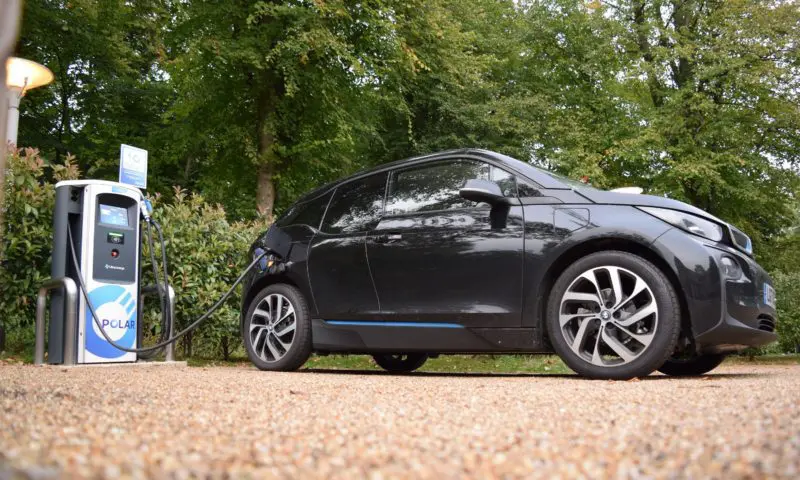
Over the last three years, the number of electric vehicles (EVs) sold in the UK has increased six-fold and, with more than 40 EV models now available, provider of EV charging infrastructure, Chargemaster, predicts that there will be 1,000,000 EVs on the road by 2022. With the government announcing that it will ban the sale of conventional petrol and diesel vehicles by 2040, all expectations are leading to a rise in EV adoption and a need for reliable, accessible and abundant charging infrastructure.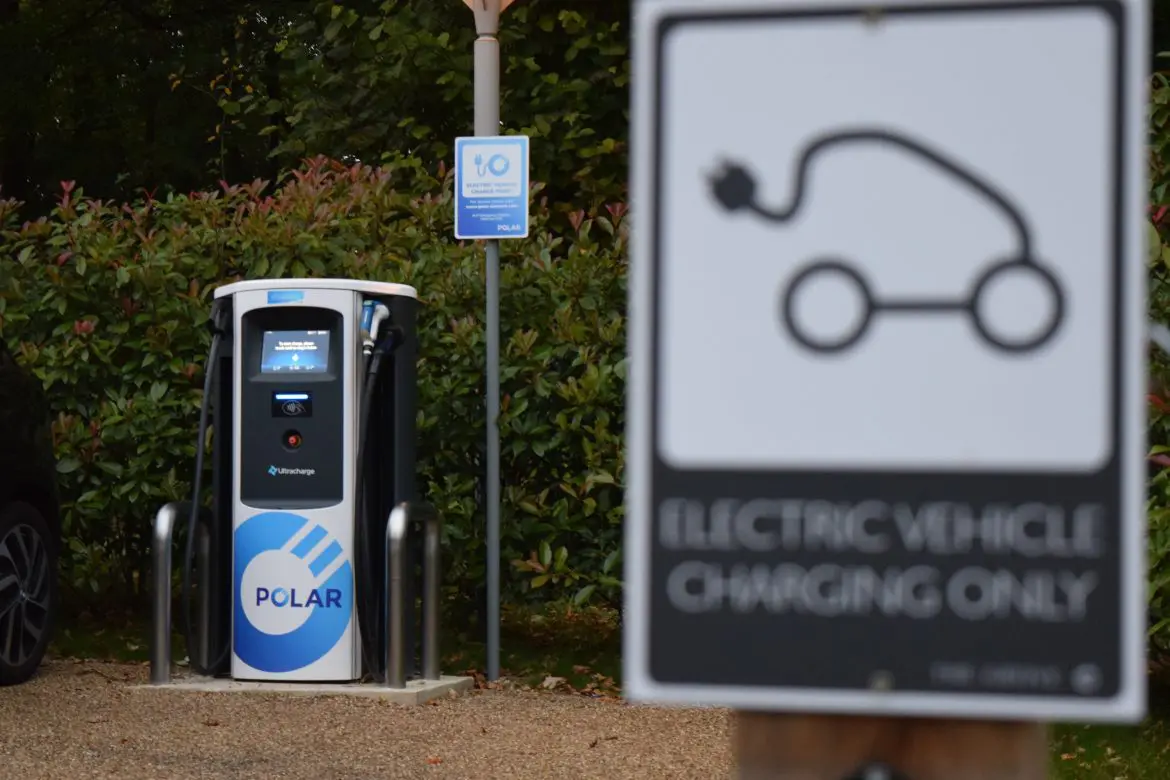
For drivers to switch from petrol and diesel to EVs, they will need to have a way to access electricity to power their cars. A typical electric car will be able to travel approximately 150 miles before needing to be recharged, and recharging can be done either at home or through the UK’s network of public EV charging points. This is where the opportunity lies for the hotel industry.
Step into the shoes of an EV driver who is planning their weekend getaway, staycation or business trip. Of course, the very first consideration if they are travelling to a hotel is whether safe and easily accessible electric vehicle charging is available. If this isn’t an option, it will most likely sway their decision to stay at your hotel.
However, by installing a public charging point at your hotel now, you will not only be attractive to those 1,000,000 EV drivers in 2022, you have the opportunity to position your hotel as a destination for EV drivers today.
A bit like the Wi-Fi analogy, just a few years ago, it may have been considered something that was nice to have, but not essential. Today, the idea of staying a night in a room without Wi-Fi is inconceivable. With uptake of EVs increasing at a dramatic rate, we believe that in a relatively short space of time, a hotel without EV charging will be just as inconceivable.
 EVs also have the power to increase footfall to your hotel’s café, bar, restaurant and other facilities. Drivers need to regularly recharge their car, meaning that EV owners will typically plan their journey in advance, seeking out a suitable charging point along the way.
Now, imagine again that you are an EV driver. If you had the choice, wouldn’t you prefer to charge your car somewhere where you can enjoy a coffee, a good meal or a spa treatment? By installing a charger at your hotel, you are providing EV drivers with a sanctuary where they can recharge their batteries, as well as their cars.
If you want to install a charging point, be sure to consider the following.
Visibility
Installing a charge point and then not advertising it, and in turn keeping a secret, is pointless and a waste of time and money. Hoteliers should make sure that their charging point is part of a public charging network, to publicly announce and advertise its availability to EV owners. If the charging point is part of a public network it means that when drivers are looking for a suitable charger, they will know that yours exists and, if they are a member of the network, will be able to access it at a reduced rate. While public charging networks will typically allow a hotel to recoup the cost of any electricity used, hotels should not expect a charging point to be an income stream for their business.
Parking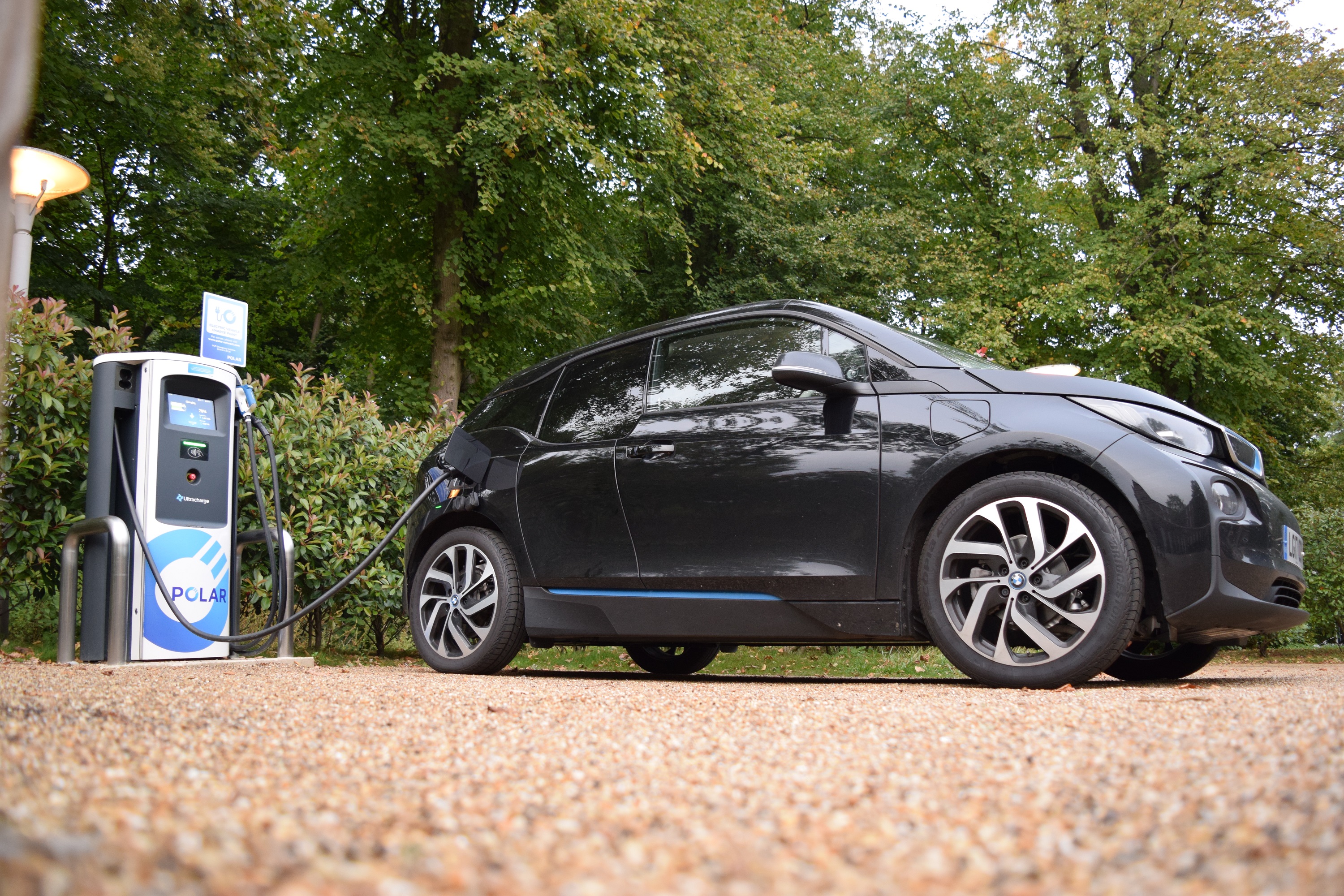
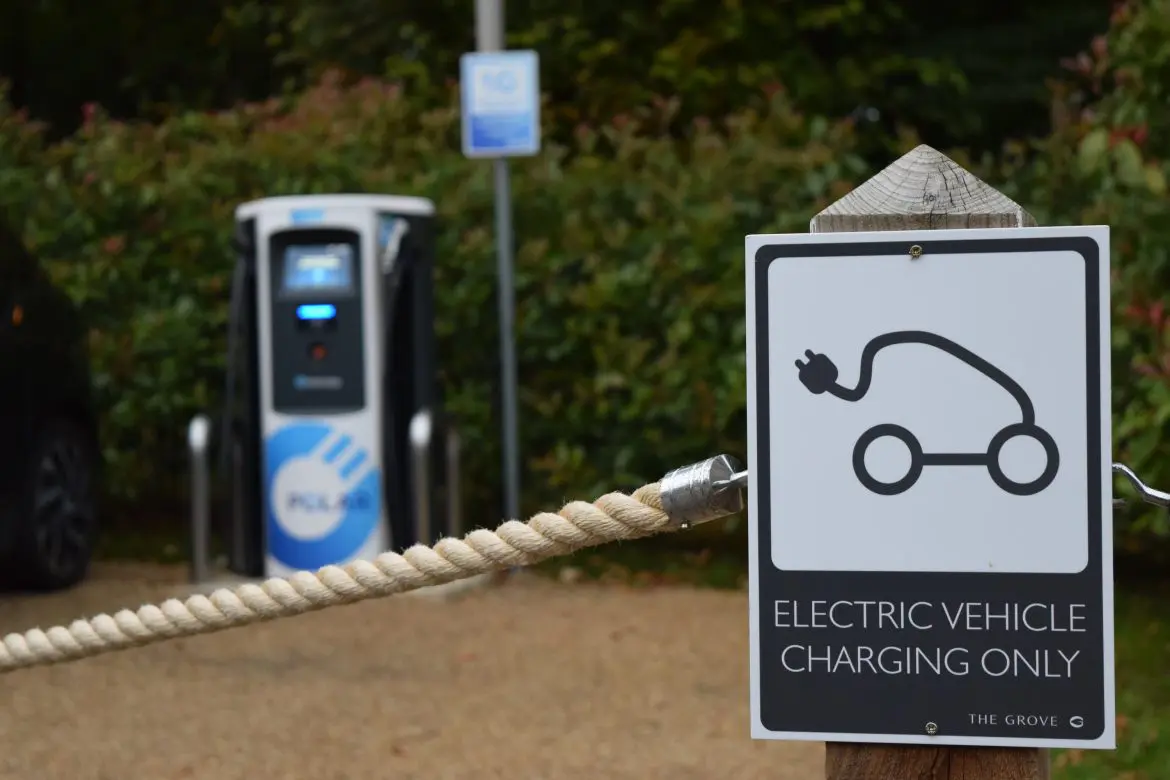
Before the charger is installed, hoteliers should be mindful of where they place their unit in the hotel’s car park. Having clear signage to direct EV owners to the charger’s parking space, as well as easily accessible for drivers to have space to plug in their cars, is crucial. Also, the parking space should be easily identified so that drivers of non-electric cars can note that those specific parking spaces are not for their use.
Most charging points have two sockets, so it is best to dedicate two adjacent parking bays for EV charging.
Grants
Subsidies and grants are available for business owners, including hoteliers, to install electric vehicle charging points for their employees and fleet vehicles, funded by the UK government, which offers grants to support the wider use of electric and hybrid vehicles via the Office of Low Emission Vehicles (OLEV).
The Workplace Charging Scheme (WCS) is a voucher-based scheme that provides support towards the up-front costs of the purchase and installation of electric vehicle charge-points, for eligible businesses, charities and public sector organisations.
The contribution is limited to £300 for each socket up to a maximum of 20 across all sites for each application.
While there are no specific grants for visitor charging points, Chargemaster may be able to offer a charging point to a hotel at no cost to the site owner, covering the cost of the charging point, as well as the installation.
Ownership and maintenance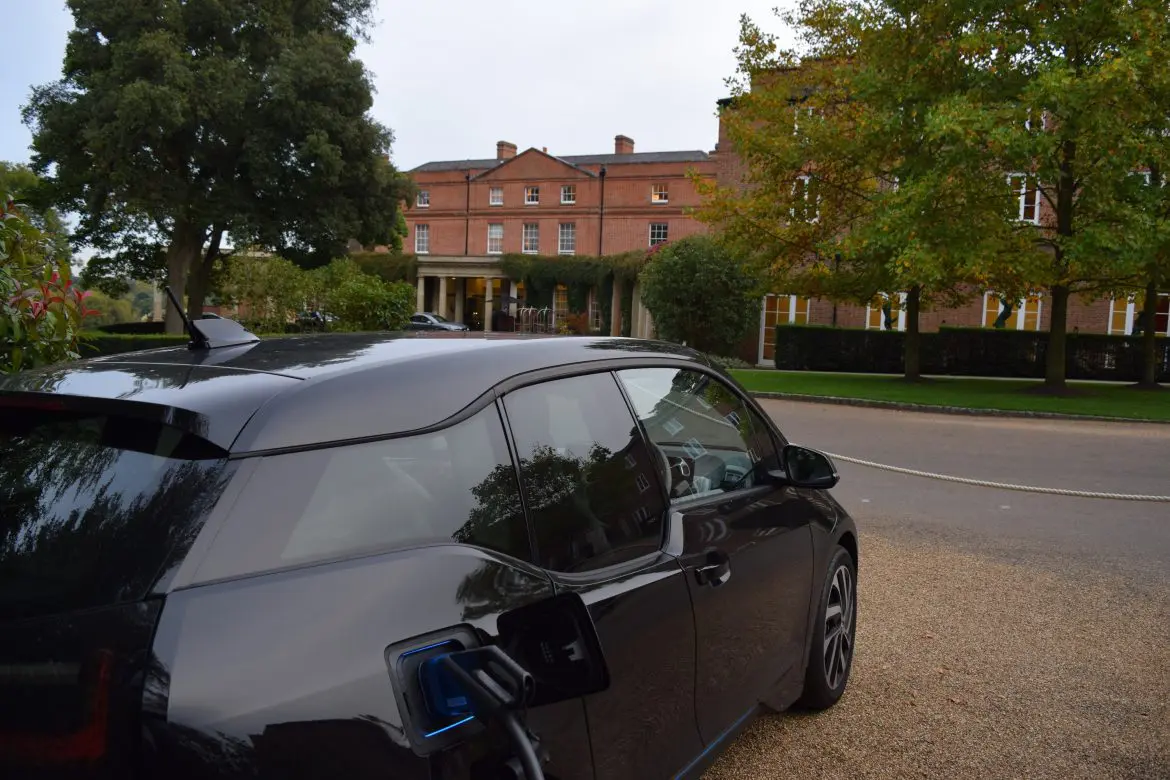
Before you have a charging point installed, be sure to understand who owns the charging point and who maintains it. This will help you understand who is responsible if something goes wrong – after investing in a charger, the last thing you want is for it to be out of action because nobody will take responsibility for maintenance.
When you purchase your charger, be sure to take out a long-term maintenance package to reduce downtime. It is best to allow a charge point operator to run the charging point on its own network, which means the ongoing maintenance will be done by them.
Charger types
There are three main charger types – standard, fast and rapid. A standard charger has a 3kW rating and will fully charge an average fully electric car in around 10 hours, and a plug-in hybrid with a smaller battery in around two hours. A 7kW fast charger will do the job in four to five hours for most pure electric cars, and about an hour for some plug-in hybrids, while a rapid charger can recharge a battery to 80% in just 30 minutes. To attract both overnight guests and passing traffic, we’d recommend installing a fast or rapid charger.
[box type=”shadow” align=”” class=”” width=””]David Martell is the Chief Executive of Chargemaster, the UK’s largest supplier of EV charging points and operator of POLAR, the country’s largest public charging network. The POLAR network has more than 5,000 publicly-accessible EV charging points nationwide, and the highest serviceability rate of any network in the UK, with at least 98% of all chargers operational at any given time.[/box]