





































Popular now
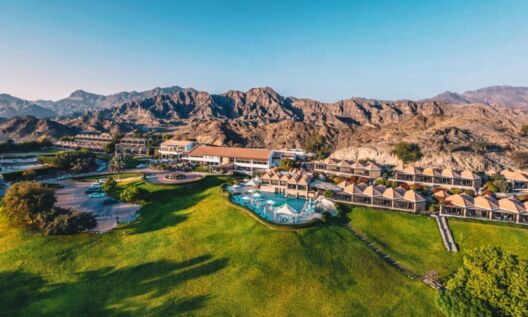
Ja Resorts and Hotels plans Dubai portfolio upgrades

Ja Resorts and Hotels plans Dubai portfolio upgrades

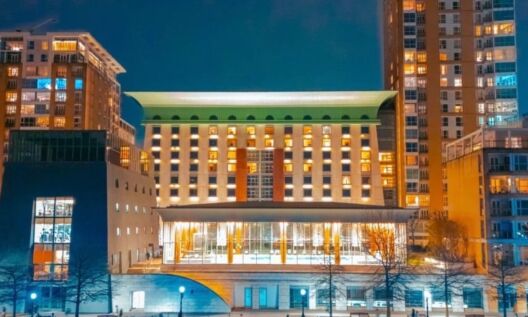
IHG to debut Vignette Collection in London with Canary Wharf signing

IHG to debut Vignette Collection in London with Canary Wharf signing

Fergus grows Spain portfolio amid UK demand

Fergus grows Spain portfolio amid UK demand

2026 Programme
09:40 – 10:25 Market Insights

Beyond the Horizon

A sharp, data-driven deep dive into the financial and economic currents shaping the UK hotel industry. The panel will unpack raw macroeconomic data, tying CPI changes and debt finance realities directly to RevPAR, ADR, and disposable guest spend.

Jeavon Lolay
Jeavon LolayLloyds Banking
Dave North
Dave NorthLloyds Banking
10:25 – 11:10 Operations

Frontline Fortitude

Hotel operators are caught in a pincer movement: skyrocketing supply chain and labour costs on one side, guests demanding flawless value on the other. This panel digs into asset management, smart cost-control, and building operational agility across diverse portfolios.

Julie White
Julie WhiteAccor
David Anderson
David AndersonAimbridge EMEA
David Hart
David HartRBH Hospitality
11:30 – 12:15 Leadership

The Modern Anchor

Managing a modern hospitality workforce demands a shift from old-school hierarchy to empathetic, visionary leadership. These industry standard-bearers explore how to inspire loyalty across multi-generational teams, foster open communication, and maintain personal mental resilience.

Christian Masters
Christian Mastersart'otel Hoxton
Caroline Gregory
Caroline GregoryThe Lovat Hotel
Simon Numphud
Simon NumphudAA Media Services
12:15 – 13:00 Events Market

The New Roar of MICE

The MICE sector looks radically different than it did a few years ago. From hyper-personalised retreats to tech-heavy hybrid conventions, this session uncovers what today's corporate planners actually want from a venue — and how to maximise yield per square foot.

Shonali Devereaux
Shonali DevereauxMIA
Varun Shetty
Varun ShettyThe Belfry Resort
14:00 – 14:45 Development

Blueprint for Growth

Despite tight credit markets, the appetite for strategic hotel development remains fierce. Brands and asset managers discuss the shift toward conversions, brand repositioning, and adaptive reuse over ground-up builds.

Tim Davis
Tim DavisPACE Dimensions
Gavin Taylor
Gavin TaylorClermont Hotels
Paul Blackmore
Paul BlackmoreHilton
David JM Orr
David JM OrrResident Hotels
14:45 – 15:30 Technology

Beyond the Buzzwords

AI is already driving revenue and plugging labour gaps. This panel cuts through the jargon to showcase how automated guest messaging, contactless check-ins, and predictive analytics can save thousands of labour hours.

DB
David BeersChoice Hotels
RBH
AI SpecialistRBH Management
CT
Canary PanelistCanary Tech
15:55 – 16:40 People & Culture

People First

Recruitment is tough, but retention is where the real battle is won or lost. Industry leaders share actionable advice on mental health initiatives, flexible working models, and defined career progression pathways.

Mark Lewis
Mark LewisHospitality Action
Suzanne Speak
Suzanne SpeakRadisson Group
16:40 – 17:05 Crisis Management

When the Custard Hits the Fan

In a 24/7 digital world, a single bad incident can escalate into a viral PR nightmare within minutes. A compressed, highly practical session delivering an actionable blueprint for emergency communication and brand protection.

CC
PR Leadership TeamCustard Comm.
Companies Joining Us
Accor Hilton Radisson Aimbridge RBH Hospitality The Resident Clermont The Belfry art'otel Hoxton Lloyds Banking Accor Hilton Radisson Aimbridge RBH Hospitality The Resident Clermont The Belfry art'otel Hoxton Lloyds Banking
Headline Sponsor
Supporters
Become a Sponsor
Interested in partnering?
Please contact Michael Northcott, Editor and Event Director, at mjn@mulberrymedia.co.uk.
Canary Technologies: The #1 AI-powered guest management system. Trusted by 20,000+ hotels, Canary streamlines operations via contactless check-in, AI guest messaging, and secure transactions that reduce chargebacks by 90%.
Hop Software: A cloud-based Property Management System (PMS) built to reduce hotel expenses and drive direct bookings via commission-free engines. It simplifies complex operations for properties of all sizes at a fraction of legacy costs.
HBD Partners: Industry specialists in hospitality recruitment with 30 years of expertise. HBD focuses on sourcing elite talent and interim leadership to help leisure and travel firms achieve their impact goals.
Home > Features > It’s time to think about sustainability for post-pandemic dining
It’s time to think about sustainability for post-pandemic dining

It’s time to think about sustainability for post-pandemic dining

In this episode we speak to Nico Tréguer, co-founder of Roberts and Treguer and The Culpeper Family. Nico spoke about founding the group alongside his longtime friend Gareth, having had a vision for bringing more nature spaces to cities, the planned extension of The Buxton in Spitalfields, and how the site’s storytelling engages guests and the local community, how the Culpeper Family’s core sustainability ethos helped it secure its B-Corp status and why hospitality has a responsibility to educate and innovate when it comes to sustainability.

In association with

Register to get 3 free articles

Register to unlock the article and receive our free newsletter. Join 26,000 other hotel leaders and stay in the know.

No spam Unsubscribe anytime

Want unlimited access? View Plans

Already have an account? Sign in

As lockdown restrictions continue to ease, the reopening of restaurants has been a welcome return for both guests and professionals working in the sector. From the first taste of a new ingredient to the reassuring pop of a bottle cork – the luxury dining experience is once again returning to life.

However, as restaurants reopen, it is also an important moment to take stock. With the UK Government targeting net-zero carbon emissions by 2050 and discerning diners increasingly focussed on the provenance of their meal, now is the time for restaurateurs to think seriously about the sustainability credentials of the modern dining experience.

Curbing kitchen carbon

Even prior to the pandemic, diners were placing growing emphasis on sustainability as part of the restaurant experience. A survey conducted in January 2020 found that two thirds of consumers expect to see ethically sourced food and drink practices in place when they visit a hospitality venue. Further, two in five respondents reported that they would be willing to pay more for this, while 22.7% were also willing to pay extra for a reduced carbon footprint.

Clearly, there is growing appetite for more sustainable and ethical dining experiences. As guests increasingly prioritise this, hospitality venues cannot afford to overlook its benefits both in terms of meeting corporate responsibility and for commercial viability. In fact, more sustainable practices can go a long way towards protecting revenues. Each year, food waste costs UK restaurants an estimated £682 million and minimising such losses could play a significant part in boosting business recovery as restrictions ease.

Positively, there are a number of ways in which chefs can reduce the carbon footprint of their kitchen by focussing on waste and emissions. Indeed, it is estimated that UK restaurants produce 915,400 tonnes of waste per year, which equates to 22% of the entire waste generated by the Hospitality and Food Service Industry. In altering their processes to find less wasteful ways of cooking – for example, by pivoting to a tasting menu experience or choosing to pan-cook in place of cooking sous vide – chefs can greatly reduce this.

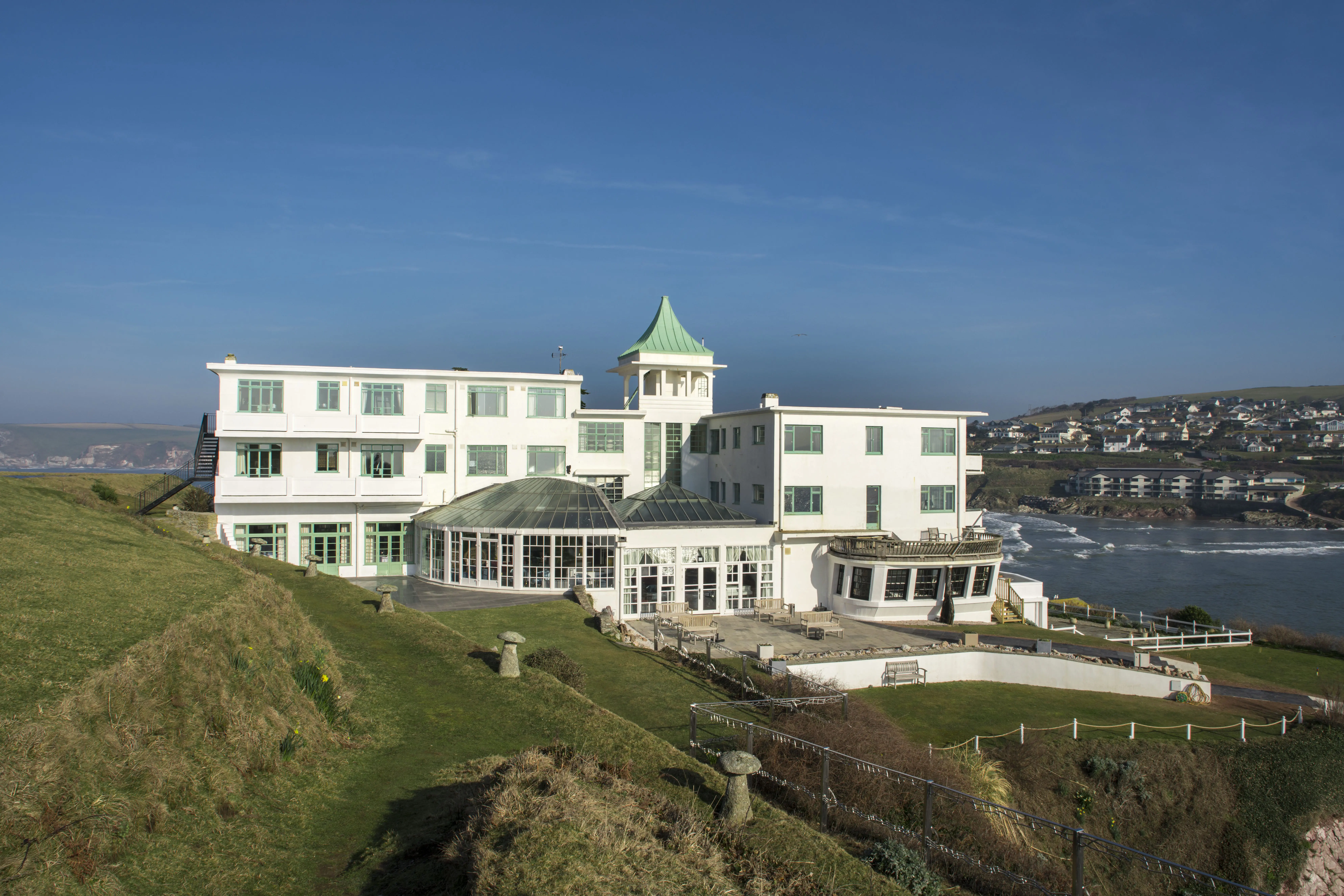
At Burgh Island, for example, we recently stopped buying pre-packaged orange juice and marmalade, which generate significant volumes of waste in terms of their packaging. Now, aided by a brand-new juicer, we make our own orange juice, while leftover orange peel is recycled into our homemade marmalade to also prevent food waste.

Operating sustainably

Although important, sustainability is not exclusive to the realm of our environment – it also means having a positive social impact. By sourcing ingredients locally, hospitality businesses not only reduce the food miles of their produce, they also support local economies, independent producers and small businesses to thrive.

As a chef, transparency is so important for me. I want to know where the ingredients I work with have come from, build strong relationships with the people behind these businesses and gain an insight into how they rear their livestock. For many smaller-scale producers, it’s not just about profit – it’s about treating their animals with respect, care and compassion.

Offering vegan and veggie options will also ensure that this approach is as inclusive as possible. With vegetarians and vegans now accounting for 14% and 7% respectively of the UK population, it is simply no longer viable for meat-free meals to be a token gesture on menus. Apart from anything else, relegating veggie dishes to an afterthought means missing out on some fantastic flavours and seasonal produce, which can further boost sustainable sourcing practices. 

Beyond the ingredients, how we consume energy is also crucial. Already, the hotel sector accounts for around 1% of global carbon emissions – and on current course this is set to increase further. Hospitality, like all industries, has a responsibility to manage its impact on our planet. Curbing reliance on tech can play a significant part in this, while, at Burgh Island, we have also trained our team in energy awareness to ensure we are minimising emissions across the hotel – kitchen included.

Looking to the future

Undoubtedly, the reopening of hospitality feels like a momentous moment for all in the sector, and nowhere more so than in our restaurants and kitchens. But while the pandemic has changed the dining landscape dramatically, it is important that the industry does not simply resume “normal service” of the past when it comes to sustainability.

With guest expectations constantly evolving and an increasingly urgency in the need to drive sustainability across the UK economy, it is up to restaurateurs to rise to the challenge or risk being left by the wayside. As long as chefs are able to adapt and stay creative, sustainability can power our restaurants to thrive.

By Tim Hall, executive chef at Burgh Island Hotel

Previous Post
Next Post

Two Cambridge hotels brought to market