

































Register to get 3 free articles
Register to unlock the article and receive our free newsletter. Join 26,000 other hotel leaders and stay in the know.
Want unlimited access? View Plans
Already have an account? Sign in
My admiration for entrepreneurs grows a little more every time I learn of a new project that involves heavy spending to either create or improve a business. We see it frequently among our member hoteliers in Pride of Britain, recent examples include a total ground floor refurbishment at The Grove of Narberth in Wales and the stunningly beautiful new restaurant at Gravetye Manor in Sussex, which allows diners to gaze at their unique gardens in any weather.
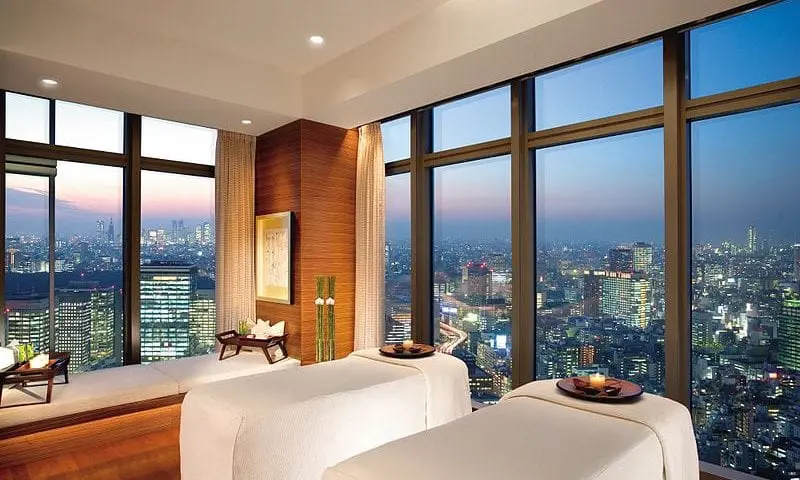
Not far away at South Lodge work continues towards the unveiling of a fabulous new spa, at tremendous cost, which is certain to be among the best in the country.
The pace of new spa openings has been extraordinary, ever since pioneers like Martin Skan at Chewton Glen took the plunge (pun intended) in the 1970s. With customers increasingly expecting leisure facilities when they go away, it’s no surprise that more and more hotels are looking to add a spa. But how much should they spend, and what will be the return?
Like so many conundrums, the answer is of course “it depends”. It depends on how much debt the business can support as well as the trading potential, which may be greatly affected by location. I have never invested myself so can only comment as an observer, of course, but time and again I have watched history repeat itself as follows.
Owners go to their bank with a business plan that includes the cost of building and running a new spa. Projected income is based around a target number of spa or club members paying annual fees plus what they will spend on food, drink and other items. The plan will also make assumptions about the positive effect the spa will have on the hotel’s occupancy and average room rate. If all goes well a loan is forthcoming and the JCBs get digging.
In due course the membership target is reached and hotel does indeed attract new guests at higher rates. These people have discerning tastes and so to keep them happy both the catering and bedrooms are upgraded, at further expense. More staff are needed too.
Eventually things are going so well the spa runs close to capacity, robbing the place of its tranquillity as families jostle for space around the pool and changing rooms. At last the management decide they have too many spa members and take steps to reduce the number so that their hotel guests can be sure of a quiet lounger or a treatment when they want one. This proves surprisingly easy to achieve because local competitors have now added spas of their own.
Quantifying the return becomes harder and harder, as the success of the hotel is so intertwined with the spa and it’s difficult to guess what the RevPAR might have been without it, all other things being equal. There is only one certainty, an increase in the value of the whole business were it to be sold.
This race is not for the fainthearted, nor for those without access to significant funding. Which begs the question whether a decent hotel can get along without a spa in the 21st Century? My own judgement is absolutely yes it can. Of the 48 hotels in our consortium 16 have no leisure facilities yet all of them are successfully selling rooms at perfectly respectable rates. Their customers are drawn by beautiful surroundings, great food and hospitality. They may be interested in the theatre or visiting antique shops, perhaps long walks or just reading in a peaceful sitting room while nature provides the outdoor spectacle.
For some, it is possible to have an enjoyable break without getting wet.