



Register to get free articles
Want unlimited access? View Plans
Already have an account? Sign in
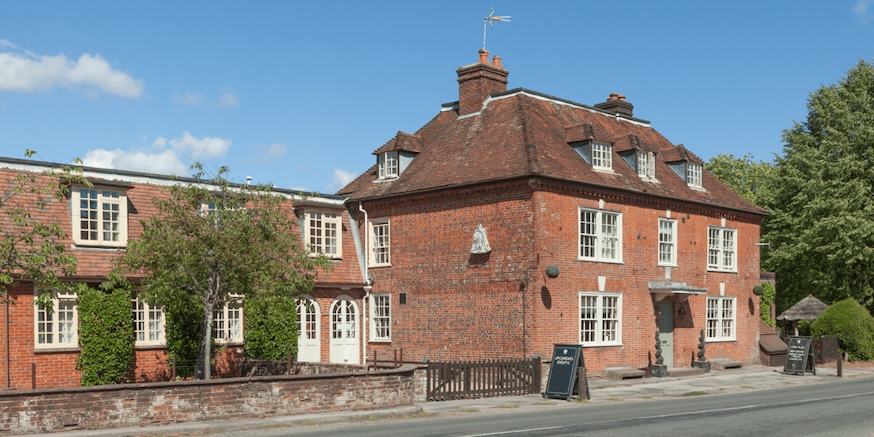
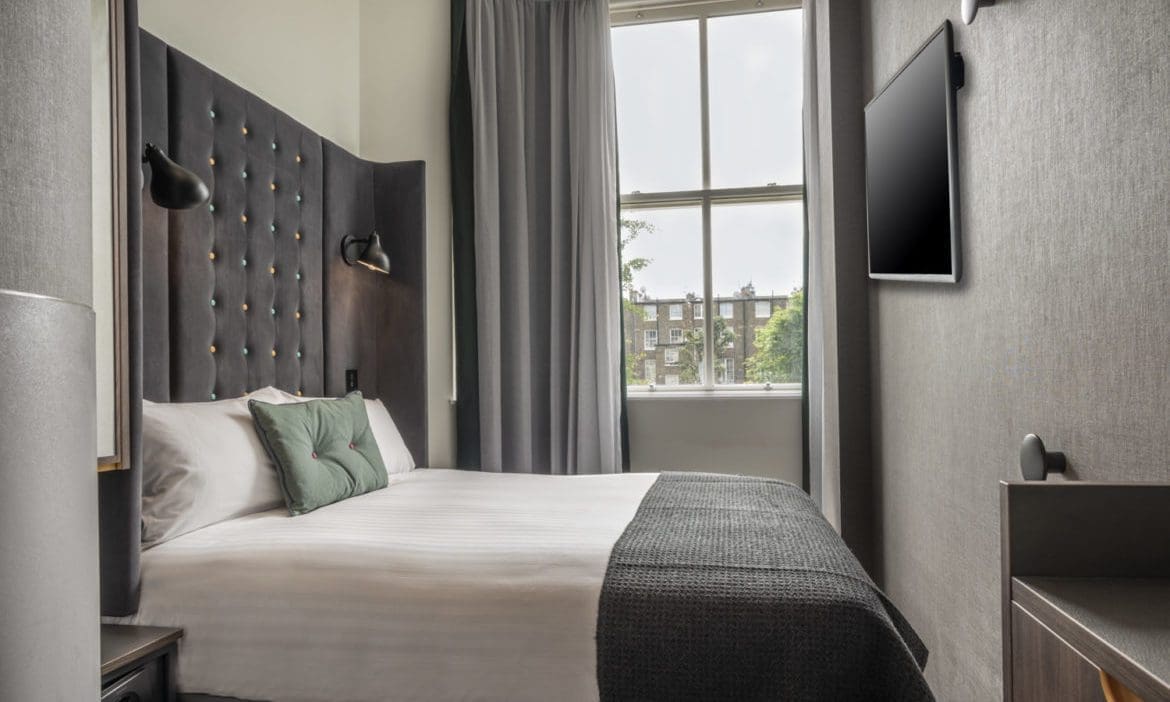
The Clarendon Hotel is an independently-owned 175-room hotel facing the heath at Blackheath, south-east London. Prior to lockdown, the hotel enjoyed a thriving clientele of regular business and leisure travellers, and regularly hosted private events including weddings.
With government-imposed lockdown imminent, general manager Ken Milton took the decision in early March to continue trading, at approximately 30% occupancy. Residency was restricted to NHS and essential workers who needed a local base in order to fulfil their professional commitments alongside a small number of approved exceptions including a couple who found themselves stranded mid-housemove.
Delivery since mid-March has focused on a ‘basic required service’, with Ken and his scaled-down team effectively feeling their way throughout in order to assure both staff and guest safety and wellbeing. “We’ve really missed the previous levels of guest interaction,” says Ken “but we’re constantly finding new ways to communicate with our guests and make their experience with us special, and they have been hugely appreciative of our efforts which is great to see and hear.”
Operational adaptations: keeping it clean
With hygiene of paramount importance, the housekeeping team instigated a number of significant changes almost overnight, many of which will continue for the foreseeable future. In addition to increased frequency of cleaning and switching from reusable cloths to single-use paper towels, the hotel looked at alternative products which would provide an additional level of cleanliness. After a full audit, it became apparent that a huge number of different products were being used throughout the property. Ken contacted his long-standing supplier and together they are trialling new multi-purpose products which are highly-rated for their effectiveness against enveloped viruses.
The hotel team has also taken inspiration from other areas of service. Ken explains: “My head housekeeper and I had been discussing processes to ensure that all areas are cleaned well, especially high touch areas. Walking through the kitchen one day, I noticed the ‘day dots’ stickers the chefs use for food, which gave us an idea for implementing a similar system within housekeeping. We estimate between 8 to 10 high touch areas in each bedroom, which once cleaned are marked with a sticker to show completion. When the head housekeeper undertakes her final check, she unpeels the stickers and adds them to the room checklist. This means that we have a full record clarifying that key areas have been thoroughly cleaned.”
Guests are and will continue to be given the choice to have their rooms serviced by a member of hotel staff or do this themselves. During lockdown, an unused conference room has been commandeered to act as a repository for collection and return of bed linen and towels. In the future, the hotel is looking to reallocate an alternative room for this same purpose as their expectation is for up to 90% of guests not wanting their room entered during their stay when it initially reopens.
Food for thought
Since lockdown was instigated, all meals have been served to rooms, having been pre-booked the day before. Meals are delivered at pre-selected time slots, which are managed in order to fit within existing staffing levels and has decreased the overall time spent on breakfast service. For evening meals, which are similarly delivered directly to the guest’s room, detailed orders are carefully taken to avoid return trips for example to deliver condiments.
While Ken misses the opportunity to interact with diners in the Clarendon’s 150-seat restaurant, it has proven to be a useful exercise in minimising waste. “Compulsory pre-booking has dramatically reduced food waste,” says Ken “and it’s something we will be looking to continue once lockdown has eased. In a way it’s been a ‘corona-positive’ for us – learning how to both minimise waste and make cost efficiencies which have never been more important than now when revenue is so far down.”
Keeping it personal with staff and guests
With 65% of staff furloughed, traditional staff meetings haven’t been possible but Ken has been holding regular departmental meetings by Zoom as well as whole-staff updates. As with many businesses, staff have been flexible in taking on new duties to adapt to new ways of working – like the Clarendon’s seamstress who normally focuses on upholstery and linen but has more recently turned her hand to fabric facemasks.
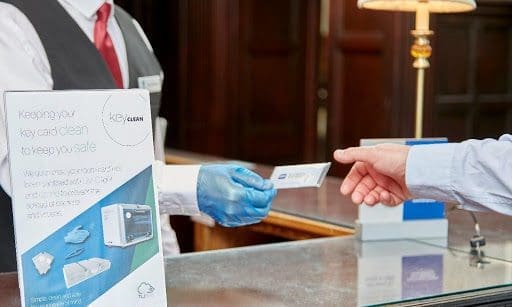
From online check-in only to a WhatsApp concierge service, there are a number of options under review in order to minimise face-to-face contact. The Clarendon has long operated a two-tier rate system, with the lower rate offered for pre-pay bookings. Ken is considering options including compulsory pre-pay 24 hours ahead of arrival, in order to eliminate another procedure at the front desk and decrease waiting time in communal areas.
Mindful to maintain the personal touch with guests despite increased reliance on ‘faceless’ communications and having only recently launched an all-new website in early 2020, Ken has continued to invest in marketing and PR services during lockdown including using social media to show insights into life at the hotel during lockdown. “I know that a lot of businesses slashed their marketing budgets as one of the first areas of cost saving, but to me that’s very short-sighted. It’s been really important to me that we show our support for the local community, and of course we want to keep in touch with our guests any way we can – because we care about them and more commercially because we need people to understand that we’re still here…and will still be here for as soon as they can travel again.”