






































Register to get 3 free articles
Register to unlock the article and receive our free newsletter. Join 26,000 other hotel leaders and stay in the know.
Want unlimited access? View Plans
Already have an account? Sign in
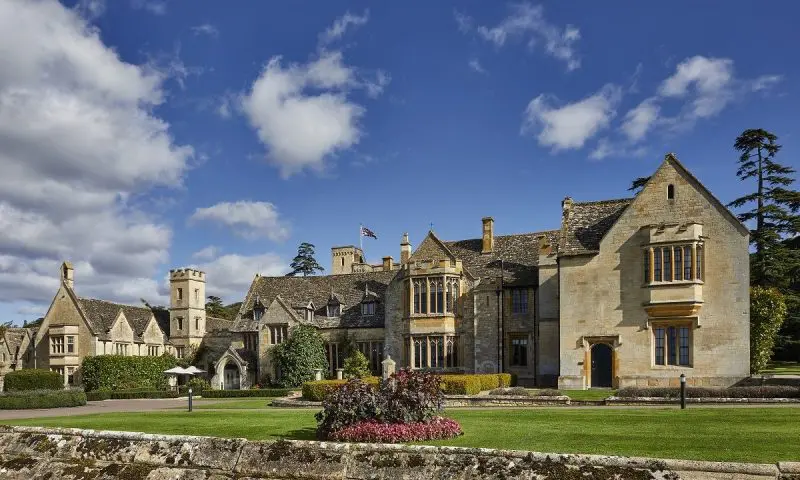
Even after all these past years of intensified construction of ever more futuristic and modern designs, the hotels that still stand out are those built so many years ago. They were built as statements of opulence for the wealthy in a world that was opening to the endless possibilities of faster travel.
So many of these beautiful structures have become landmarks and endured as five star luxury hotels still catering to the wealthy clientele as they did between the end of the nineteenth century and the mid twentieth century when they were constructed. They still fascinate us in their architecture and history.
Here in Canada, as in many countries, the advent of railways brought on the construction of the grand railway hotels, largely built by the railway companies themselves. It was only fitting that after travelling in such grand style on the trains, the patrons should be housed in hotels befitting their class. Thus many of the grand hotels were built in the ‘Chateauesque’ style, magnificent ‘structures, some resembling castles, that still loom large and imposing in their respective communities today.
Let us take as an example the Fairmont Chateau Frontenac in Quebec City. Opened in 1893 to promote luxury tourism by the developers, Canadian Pacific Railways, it remains one of Canada’s outstanding luxury hotels. Recently renovated, the interior has been brought back to reflect its past while introducing unparalleled luxury with modern touches. Even the original copper roof has been lovingly replaced at a cost of approximately $7.5 million (£5.4m), with new copper exactly as it was when first opened.
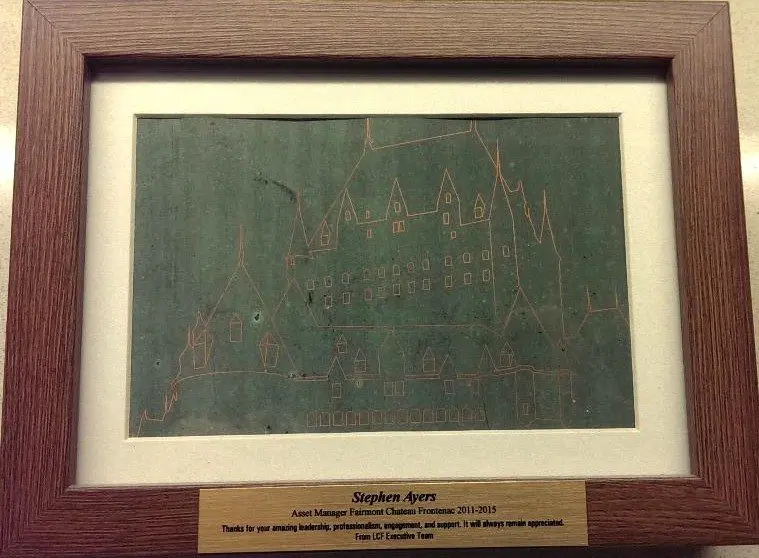
As a gesture during the time the hotel was part of my asset management portfolio, the GM Robert Mercure gave me a framed piece of the original roof, and it hangs proudly in my office. It is interesting to reflect that a hotel built at the end of the nineteenth century remains today the most photographed hotel in the world. Indeed, many of these structures are still photographed more than the modern equivalents, given that they are also very imposing in their locations, both in the cities and countryside.
But back to the present. It would of course be exorbitantly expensive to build today hotels such as the Chateau Frontenac in Quebec, The Plaza New York and countless hotels constructed in similar designs across the globe. They would not be economically viable as businesses. The massive costs of construction and land today have made more profitable the building of multi-use structures that house luxury hotels along with condominiums and retail at street level.
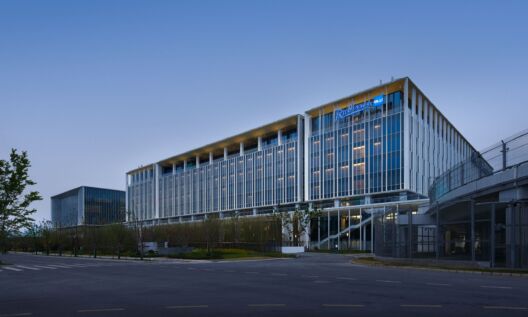
Many of these new high rise buildings may be imposing due to their size and height, but are largely clad in glass and steel. This puts them in a similar design as many of the high rise residential buildings that are so common on modern city skylines. There are of course exceptions and while some hotels, chiefly in resort locations where land allows for a more creative design. But the majority of new hotels are, while hugely luxurious inside, rather more boring as a structure.
Advances in technology have brought on hi-tech rooms to satisfy the busy travellers of today, many of whom need a room that is a virtual office away from their office. All the major luxury players are outdoing each other in a bid to attract the traffic to their properties by introducing cutting edge technology and AI. And as the modern rooms get ever more modern, the old, grand luxury hotels, while keeping up with technological advances, keep that sense of ‘home away from home’ as a priority interior for their rooms.
But what about the vast majority of the hotels that are in the four, three and lower star categories? Here the situation with regard to design, both interior and exterior, is rather direr. I do not apportion blame here as I know and appreciate that these new structures are raised with only profit and appreciation in mind. Yet that does not make these eyesores any more attractive. The example that I can give here from Toronto is very probably similar across many countries in the world today. On a drive along the Queen Elizabeth Way from Toronto to Niagara Falls you will see so many of these new branded hotels, mostly mid-rise, dotting the sides of the highway.
Apart from the brand sign at the top of the structures, there is nothing to differentiate between them. Indeed, many of the owners will switch brands based on the best management or franchise deal available to them. The interiors, while they may be a good bet for a comfortable, clean and a reasonable place to pass a night or two, are no better in design than their exteriors.
Enter any room in one of these bland hotels, draw the curtains closed and look around. You could be in any hotel of this type in virtually any country in the world. If you will, they have become the ‘fast hotels’ of the ‘fast food’ world that we live in today. Just as you see all the same retailers, the same branded restaurants and the same businesses in so many cities, so you will see these boring, box like, cookie cutter hotels sprouting everywhere.
One oasis of hotel ‘sanity’ remains with those old hotels in towns and cities that were built before the new generation of hotels. Many of these are still independently owned and operated, and still are very involved in their communities. Taking advantage of their history and heritage, they are transforming into ‘boutique’ hotels that offer a different type of stay, one that fulfills the expectations of the modern consumer generation, the millennials.
They bring more of the ‘values’ that are looked for in a meaningful stay at a hotel that values their past and that is part of the community. Often this includes interior design that reflects the past of the building, perhaps even of famous people that have stayed there. It makes for a different hotel and therefore a different experience as a guest and that is something extraordinary in today’s world of sameness.
Of course I have generalised in my writing and there are many exceptions to the rules, but I do so to illustrate the general trends in the hotel industry today. Perhaps my title should have read ‘The illustrious great, the good, the bad and the downright ugly’, since that would cover all the hotels in our world.