







































Register to get 3 free articles
Register to unlock the article and receive our free newsletter. Join 26,000 other hotel leaders and stay in the know.
Want unlimited access? View Plans
Already have an account? Sign in
Over the past year, hotels across the UK have been reopening their doors, but the world they’ve opened up to is not the same one they knew before the pandemic. This year has seen a revival of London’s hospitality industry, with inbound visits to the UK forecast to reach 65% of pre-Covid levels by the end of the year.
Yet, with soaring energy bills and an explosion in vacancy rates among hospitality staff, increasing by 675% from November 2021 to January 2022, the post-pandemic road to recovery is shaping up to be more of a steep incline than a gentle stroll. In light of these emerging pressures, hotels will need to be astute and forward thinking if they are to take advantage of London’s return to life and weather the storm of the coming winter months.
Back to life, back to hospitality
In 2022 hospitality firms have a clean slate, with UK hotel prices forecast to rise by 8% in 2023, while London has seen a 26% increase in footfall across the past summer as the return of international travel and annual events, such as the Notting Hill Carnival, drew visitors back to the capital.
The impact of returning tourism on the UK hospitality industry will manifest itself as revenue per available hotel room in London, which is projected to reach between 43% and 86% of pre-pandemic levels by the end of this year.
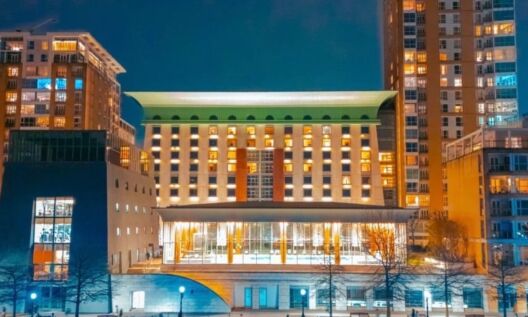
Following months of uncertainty, the time is finally right for hotels to turn their sights to the future and develop new initiatives to help themselves adapt to a changing hospitality market. For example, Royal Garden Hotel has undergone extensive refurbishments, giving it a more contemporary look, in line with today’s fast moving hotel sector. Along with these developments, the hotel has also launched a new restaurant, Origin Kensington, sourcing sustainable produce from local suppliers.
Energy costs threaten hospitality’s recovery
The post-pandemic world offers great opportunities for hospitality, yet looking to the future, hotels could find themselves facing more challenging conditions. With or without the UK government’s recent pledge to cap energy prices for business, rapidly rising electricity bills will place great pressure on hotels as the winter sets in. By mid-September, a third of UK coffee shops were facing closure as a result of increased energy prices, while total hospitality insolvencies have risen by 72% compared to August 2021.
Higher bills are not the only difficulty posed by rising energy prices; it is vital that hotels show their guests that they will still receive the same, high-quality service they have always experienced. The key challenge then is to ensure hotels manage their expenditure in light of rising costs to still deliver as best they can the level of service their clients demand and deserve.
Inhospitable months to come need to be managed
While a post-covid return of tourism and events has increased the demand for accommodation, the energy crisis will place strain on hotels trying to maintain their high standards. To survive in this environment, hotels need to carefully manage their energy consumption to take advantage of the rise in tourism.
To achieve a balance between quality of service and financial security, hotels will need innovative solutions. By investing in renewable energy, businesses simultaneously cut electricity costs and make themselves more attractive to an ever-growing market of sustainability-conscious consumers; in 2021, 81% of travellers said they planned to choose sustainable accommodation.
Investment in eco-friendly features, such as motion sensor lighting and high-quality insulation, will result in long-term savings through the current energy crisis and beyond. One study shows that hoteliers can reduce their energy bills by up to 20% through improving their energy efficiency. In turning towards green energy, hotels can continue to offer guests their traditional standards, while also attracting more environmentally-conscious consumers.
On the flip side, hotel management needs to be realistic about how much revenue will be required to support their businesses. As running costs rise, room pricing will likely rise too. However, hotels should approach the challenges ahead as an opportunity to overhaul their rooms, facilities and services, to help them emerge stronger and more able to capitalise on the opportunities the revived tourism and hospitality market presents.