




























Register to get 3 free articles
Register to unlock the article and receive our free newsletter. Join 26,000 other hotel leaders and stay in the know.
Want unlimited access? View Plans
Already have an account? Sign in
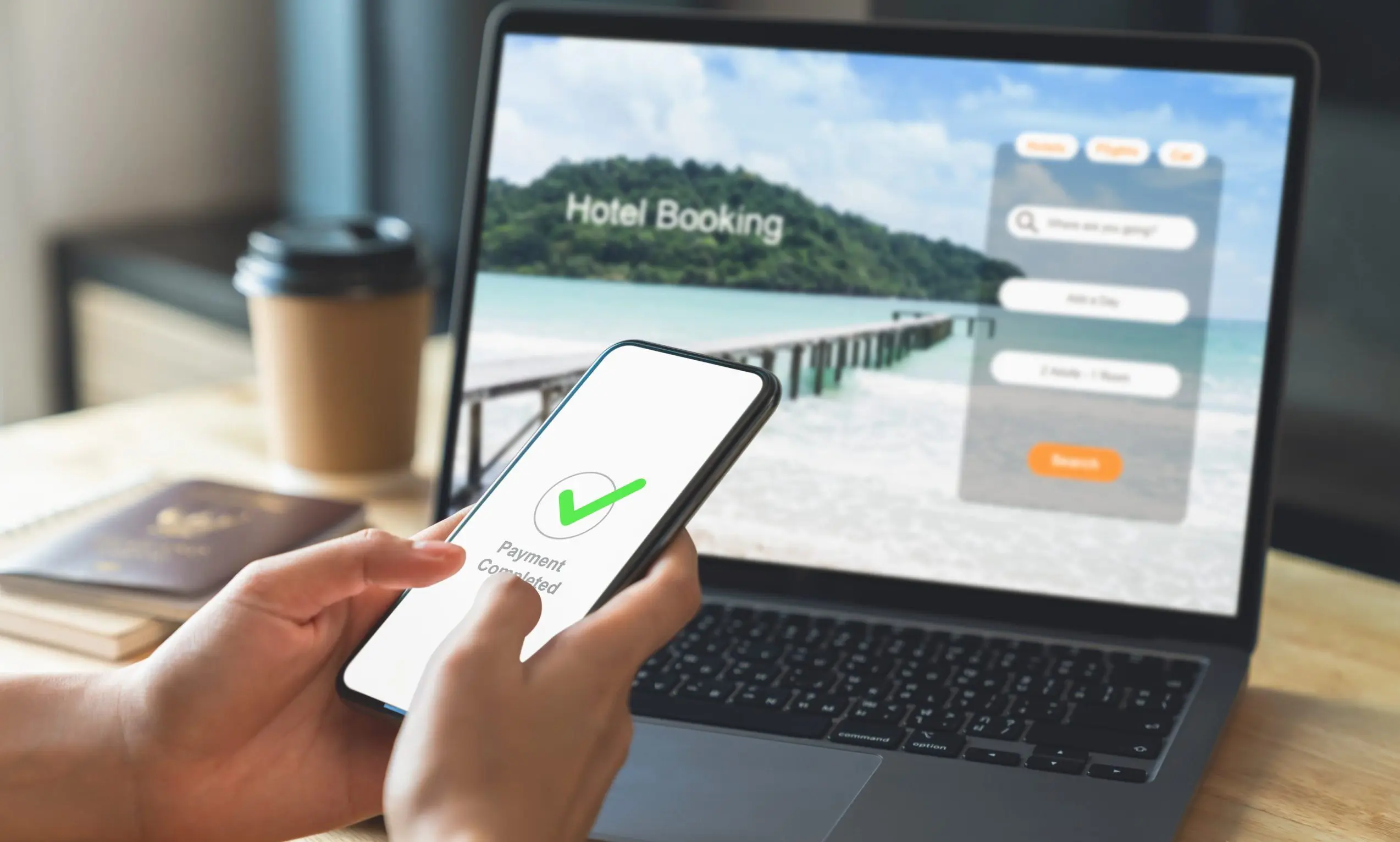
Third-party booking sites are not new to the hotel industry but they are increasingly becoming the main way in which customers are making bookings. Platforms such as Booking.com offer access to more customers than ever before but also increase the competition between hotels. It can also be difficult to know how much emphasis to place on your ranking on these sites.
How important are third-party rankings
A high position on platforms like Booking.com significantly increases your property’s visibility. Most users don’t scroll beyond the first few pages, so a higher rank translates directly into more clicks, impressions, and ultimately, bookings. As previously mentioned, third-party sites are the main way in which people book hotels so the higher up the rankings you are the better your chance of getting a booking.Alongside this, the platforms themselves reward well-performing properties with better visibility, creating a virtuous cycle making it more important to be high up the rankings, with increased bookings, you can boost revenue even during off-peak seasons.
The level of emphasis you should place on your ranking can depend on your property type, location, and target market. For example, rankings for independent hotels and small chains, is often critical for consistent bookings as you have to work harder to convince a customers to trust you and your brand when compared to a large chain or a well known hotel.
How to maximise your ranking
One of the main ways to maximise your ranking on third-party sites is high-quality photos. Photos are the first thing that will catch the eye of a potential consumer so it is important that these are the best they can be. You should use these photos to showcase your rooms, amenities and nearby attractions as well as the things that make your hotel unique compared to potential competitors.
Alongside this, you should use the description of your hotel to highlight the unique features about it like sustainable practices, pet-friendliness, or proximity to local landmarks. You can use devices such as bullet points to get your point across in a clear and concise way.
It is paramount that you keep your listings and photos up to date with room availability, pricing and policies all correct. Any kind of incorrect or misleading photos or descriptions will cause you to receive bad reviews and could lead to your listing being negatively affected.
When looking to maximise your ranking it is important to make the most of guest reviews and encourage as many guests as possible to leave a review. During or after a guest’s stay you should send them an email politely asking them to leave a review. You could offer them a reward for doing so such as a discount on their next stay, a free drink or meal or entering them into a draw to win some kind of voucher. You should make this process as easy as possible by having QR codes dotted around your hotel and making sure to include a link in
your email.
Another way to boost your ranking is by offering competitive pricing to stand out from others. You could look to offer some kind of dynamic pricing, when your hotel is less booked up or out of season you should lower your prices to entice more guests in. You could also offer extra things on top of a booking including things like free breakfast, complimentary parking or discounts on local attractions. This can help you get more bookings which can lead to the virtuous circle mentioned earlier and boost your ranking.
The platforms themselves offer a number of tools themselves which can help boost your ranking. Booking.com offers tools like its “Genius Loyalty Program” and “Preferred Partner Programs” which boost visibility. While these often come at an additional cost, the return on investment can be significant. The platforms will also offer a number of analytics and data insights which can help you identify areas to improve which can lead to more bookings